Boureima Amadou
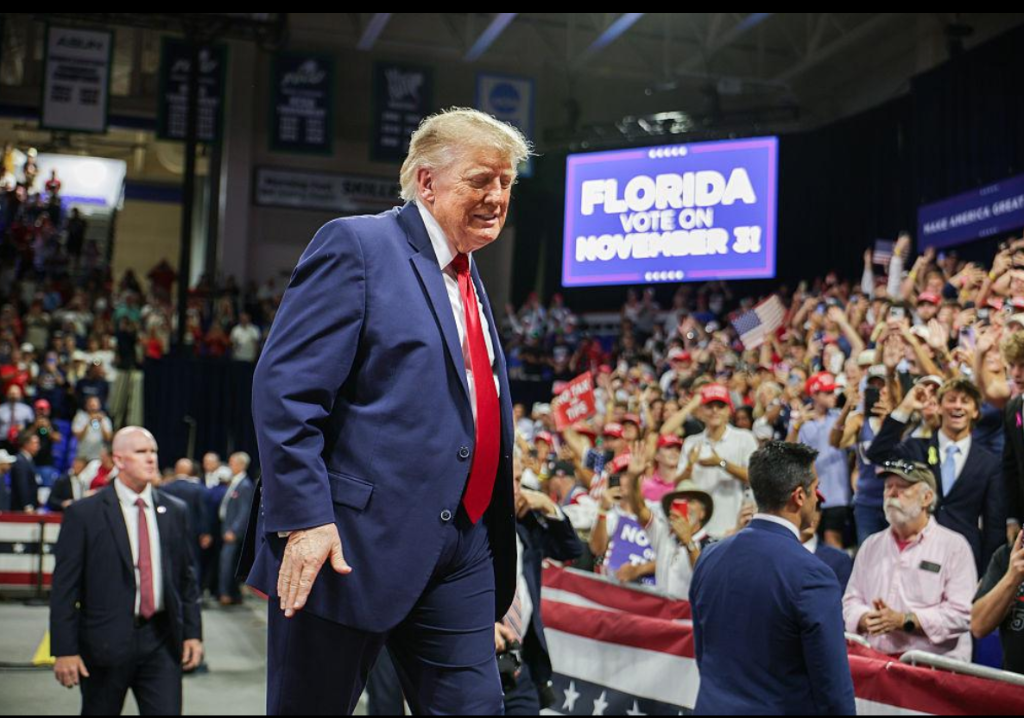
The US elections are just around the corner, but Donald Trump has chosen to escalate tensions in the Middle East. With polls opening in less than 48 hours, the administration authorized airstrikes on Iranian targets along the strategic Strait of Hormuz—a move that risks reshaping voter sentiment just as ballots are cast.
Why this last-minute military action matters
Trump’s decision to conduct strikes on Monday morning, mere hours before the polls open, sends a powerful signal—but at what cost? The White House framed the operation as a defensive measure, yet its timing raises eyebrows. Just days earlier, the president had expressed optimism about reaching a deal with Tehran. Now, the contradiction is impossible to ignore.
For a commander-in-chief facing mounting voter dissatisfaction over inflation and economic strain, the timing of this strike could not be worse. Midterm elections are traditionally a referendum on the president’s performance, and this aggressive move may backfire spectacularly.
How the Strait of Hormuz became a political flashpoint
The Strait of Hormuz is more than a chokepoint for global oil shipments—it’s now a symbol of America’s tangled foreign policy dilemma. Over 20% of the world’s oil passes through these waters, and any disruption threatens energy markets worldwide. Tensions have been simmering for months, with Iran repeatedly threatening to choke off the strait in response to sanctions and military pressure.
Trump’s strikes risk tipping the scales toward full-blown confrontation. Already, oil prices are reacting. If the conflict escalates, voters may soon find themselves paying even more at the pump—something Democrats are sure to weaponize in campaign messaging.
The economic domino effect on American households
Gas prices are already a top concern for voters, and the timing of these strikes could amplify that frustration. A sustained rise in fuel costs could erode consumer confidence and sway undecided voters in tight races across the country.
The White House faces a brutal irony: Trump’s attempt to project strength abroad may deepen economic pain at home. That’s a gamble that could cost Republicans dearly on Election Day.
Divisions within the Republican base
Not all Republicans are on board with Trump’s brinkmanship. While hawkish voters may cheer the show of force, others fear another prolonged overseas conflict. This internal split could weaken party unity and depress turnout among moderates.
Republican strategists are walking a tightrope. They need to energize their base without alienating swing voters who are already wary of military overreach. The White House insists the strikes were necessary to deter Iranian aggression—but whether voters buy that narrative remains to be seen.
A congressional wildcard after the vote
Should Republicans lose control of the House or Senate, the political fallout from these strikes could be severe. A Democratic majority would gain subpoena power, enabling deeper investigations into Trump’s foreign policy decisions and military spending.
The stakes couldn’t be higher. A shift in congressional balance could strip Trump of key legislative tools and force a reckoning over his administration’s approach to Iran.
What voters really think about Trump’s strategy
Public opinion has never been more divided on foreign intervention. Recent polls show that while a slim majority of Republican voters support a hardline stance against Iran, independents and suburban voters—critical swing blocs—are deeply skeptical of another Middle Eastern war.
Trump’s gamble is high-stakes, high-reward. If the strikes deter further Iranian aggression, he may be hailed as a decisive leader. But if oil prices surge and voters head to the polls angry over economic hardship, the political fallout could be catastrophic.
The final word: will voters reward or punish Trump?
As Election Day approaches, the nation stands at a crossroads. Trump’s late-hour military move has injected fresh uncertainty into an already volatile political landscape. Whether voters see this as leadership or recklessness may determine the outcome of the midterms—and Trump’s political future.
- Economic anxiety: Rising fuel costs could shift voter priorities.
- Foreign policy fatigue: Many Americans are tired of endless wars.
- Base enthusiasm vs. swing voter discontent: The GOP must balance both.
- Congressional power shift: A Democratic takeover could trigger probes and constraints.