Mariama Hamani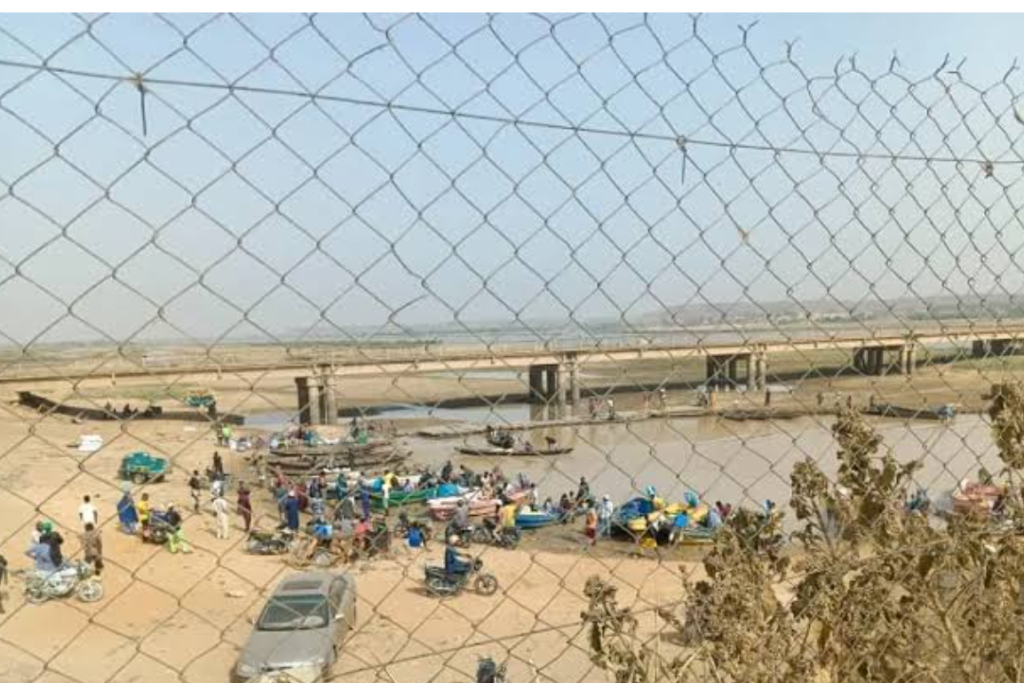
The International Monetary Fund has delivered a stark warning: Niger’s prolonged border closures have drained over 117 billion CFA francs from state coffers. This staggering shortfall exposes the harsh economic reality gripping the Sahel region following years of political upheaval. Customs and tax revenues—long the financial lifeblood of West African nations—have plummeted as trade arteries linking coastal ports to landlocked hinterlands grind to a halt. Military-led governments may have intended these closures as a geopolitical chess move, but the accounting ledgers tell a different story: public treasuries are hemorrhaging funds at an alarming rate.
When trade barriers drain the exchequer dry
This financial hemorrhage translates directly into decimated public services. Schools, hospitals, and critical infrastructure projects now compete for crumbs from shrinking budgets. The closure of traditional trade routes has severed connections that once formed the backbone of regional economic sovereignty. Far from strengthening national resilience, these measures have weakened the very foundations they were meant to protect. The question now looms: how long can governments sustain this self-inflicted financial asphyxiation before the social contract collapses entirely?
From market stalls to household budgets: the human cost of isolation
The IMF’s dry statistics conceal a humanitarian crisis unfolding daily in local markets across the Sahel. Staples like rice, cooking oil, and sugar now carry price tags that mock household budgets. Trucks stranded at blocked borders have created artificial scarcity, while diverted transport routes send shipping costs skyrocketing. Small traders—often women running family businesses—face bankruptcy as their goods spoil waiting for clearance that never comes. This inflationary spiral doesn’t discriminate, but it devastates the most vulnerable first. What began as political posturing has become a daily struggle for survival in communities that once thrived on cross-border exchange.
Security rhetoric: the smokescreen hiding economic failure
When confronted with these mounting fiscal disasters, regional authorities consistently fall back on the same tired narrative: external security threats justify every road closure, bridge demolition, and border restriction. Yet as the numbers pile up, this justification rings increasingly hollow. Military governments tout these measures as patriotic acts of resistance, while their own economic policies drive the region toward collapse. The promise of prosperity through isolation has evaporated. Instead, the Sahel now faces an investment drought, where businesses flee volatile environments and governments scramble for financial band-aids rather than sustainable solutions.
The inevitable return to economic common sense
Ideological rigidity has met its match in cold fiscal reality. A 117 billion CFA franc deficit isn’t solved with bellicose speeches or blame-shifting toward international partners. The Sahel’s economic engine runs on trade—plain and simple. Military governments must recognize that borders closed in the name of security have become the greatest threat to stability. The path forward demands pragmatic choices: reopening vital trade corridors, engaging in honest dialogue with regional economic blocs, and dismantling artificial barriers to commerce. Without these measures, the region risks not just economic decline, but social upheaval that could dwarf the current crisis. The people of the Sahel deserve leadership that prioritizes their survival over political posturing.


 Boureima Amadou