Boureima Amadou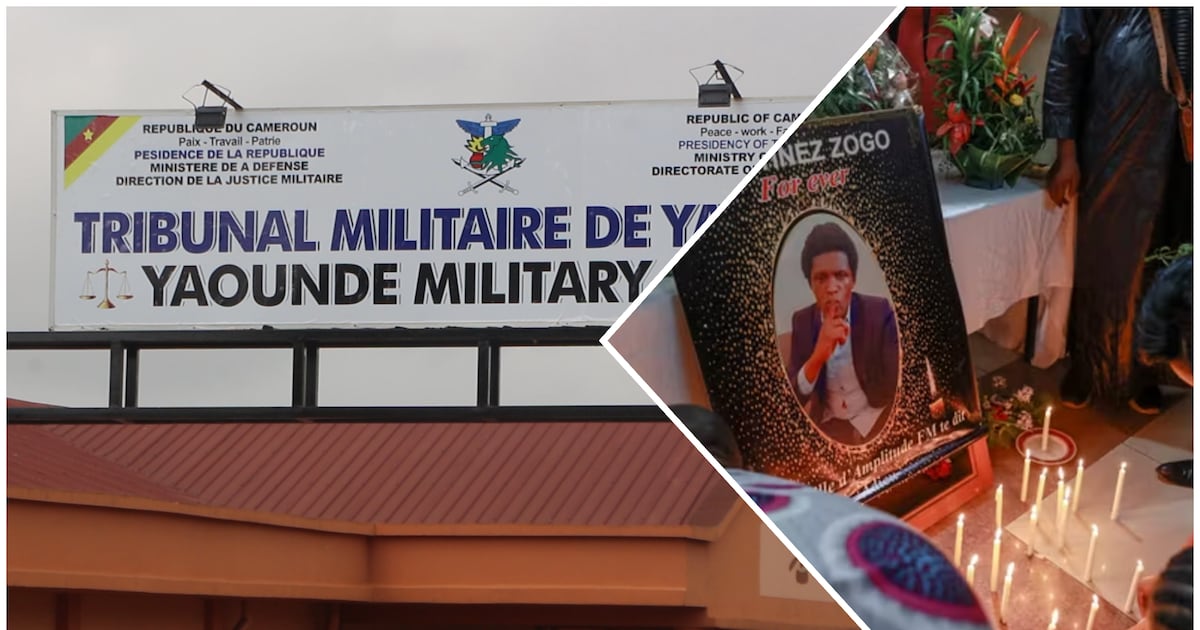
graphic digital proof exposes Cameroun’s darkest secrets in zogo murder trial
Yaoundé’s Military Tribunal witnessed a pivotal moment on June 1–2, 2026 when forensic expert Professor Georges Bell Bitjoka unveiled irrefutable digital evidence—including the first public screening of torture and murder footage—that sent shockwaves through the judicial process.
As the 32nd witness for the prosecution, Professor Bitjoka specializes in cybersecurity and was tasked with analyzing digital devices linked to the accused. His findings revealed a Google Cloud account belonging to Maréchal des Logis Godje Oumarou Vincent, a former agent of the Directorate-General for External Research (DGRE), now a fugitive. Within this account lay the horrifying video evidence of journalist Martinez Zogo’s final moments—footage that was temporarily suspended from public viewing due to the overwhelming emotional impact it provoked.
from abduction to brutality: the chilling visual record
The courtroom was left in stunned silence as three videos, never before seen by the public, were played. They documented Martinez Zogo’s kidnapping, torture, and murder. In the footage, the journalist appears bound, bloodied, and severely injured—his left ear partially severed—pleading for mercy from his captors. The images, now part of the legal record, paint a harrowing picture of the violence that ended his life.
Professor Bitjoka confirmed under oath that the files were extracted from the suspect’s cloud storage, establishing a direct digital trail to the crime. His testimony also uncovered a web of communications between the now-fugitive officer and Justin Danwe, former director of DGRE operations, who is implicated in orchestrating the operation. A 35 million FCFA financial transaction was also cited during the proceedings, further linking the accused to the plot.
defense challenges technical integrity amid emotional turmoil
On June 2, 2026, the second day of hearings began under a heavy atmosphere, still reeling from the previous day’s revelations. The entire session was dedicated to a rigorous cross-examination of Professor Bitjoka by both the prosecution and defense teams.
The defense attorneys aggressively questioned the expert’s methodology, arguing that his extraction of data may not have been exhaustive. They also challenged the lack of direct technological links between the phones of Léopold Maxime Eko Eko, former DGRE chief, and businessman Jean-Pierre Amougou Belinga—both named in the case—and the deleted conversations that once existed between them and Danwe.
In response, Professor Bitjoka maintained that his role was strictly technical, focusing solely on analyzing the digital surfaces provided to him without introducing personal opinions or legal interpretations. While the defense raised valid concerns, the prosecution and the Zogo family’s legal representatives acknowledged the groundbreaking significance of the forensic report in advancing the investigation.
The tribunal adjourned late into the night, with the next set of hearings scheduled for June 22–23, 2026. These upcoming sessions will delve deeper into the evidence, as the judicial system inches closer to unraveling the full truth behind one of Cameroon’s most brutal crimes against a journalist.