
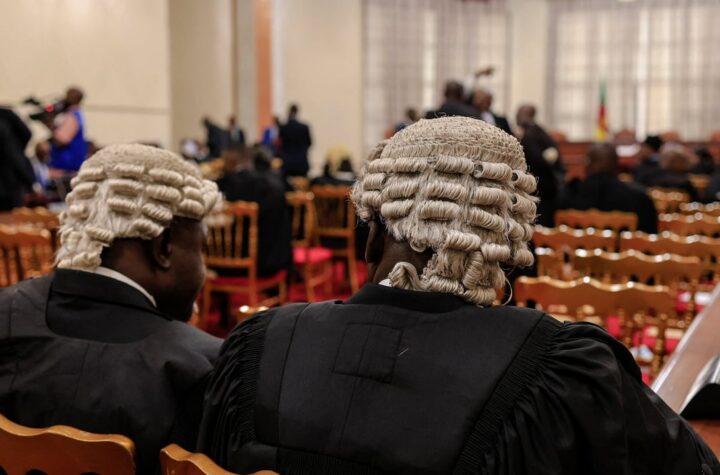
The latest court ruling against leaders of Chad’s Group of Political Actors’ Consultation (GCAP) isn’t merely a judicial decision—it exposes a stark reality: a government systematically criminalizing dissent and suffocating democratic space. Since the Transitional Military Council (CMT) seized power in April 2021, Chad has witnessed a steady erosion of political freedoms, a trend documented by national and international human rights organizations.
These groups report mounting restrictions on civic liberties, including arbitrary arrests of opposition figures, suppression of protests, and targeted censorship of independent media outlets. The GCAP ruling marks a new low in this authoritarian trajectory, signaling that no opposition voice remains untouched by the regime’s crackdown.
Chad’s democratic backsliding under military rule
Chad’s political landscape has undergone dramatic changes since the CMT assumed control in 2021. What began as a promise of democratic transition has devolved into a pattern of repression that targets opposition leaders, civil society groups, and independent journalists. The recent conviction of GCAP officials—who were advocating for dialogue and reform—embodies this shift toward authoritarianism.
Human rights monitors have documented widespread abuses, including:
- Arbitrary detentions of political opponents and activists
- Violent crackdowns on peaceful protests
- Restrictions on press freedom and digital communication
- Judicial harassment of dissenting voices
These measures have progressively eliminated public debate, leaving citizens with few avenues to voice dissent without fear of reprisal. The GCAP case is symptomatic of a broader strategy: using the courts not to administer justice, but to silence opposition.
International concerns mount over Chad’s political climate
Chad’s regression has drawn criticism from regional blocs and global rights organizations. Calls for accountability have grown louder as the regime tightens its grip on power. Yet, despite mounting pressure, authorities continue to justify crackdowns as necessary for “national stability.”
Civil society leaders warn that this trajectory risks plunging Chad deeper into instability, as repression fuels public frustration and radicalization. Without meaningful dialogue and inclusive governance, the country’s future remains precarious.
Related keywords
More Stories
Niger: Tiani’s regime confronts internal challenge three years after seizing power
China’s growing military influence in Gabon
Cameroon’s governance: the symbolism of president biya’s returning hand