
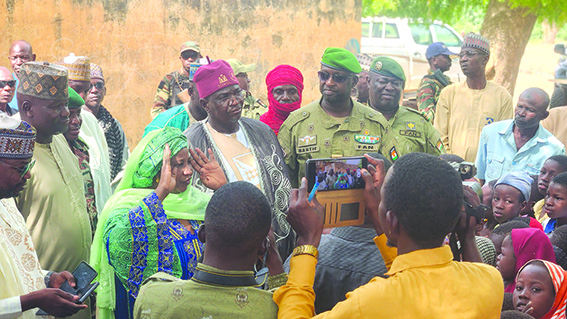
Across Niger, communities continue to grapple with persistent security threats and extremist violence that disrupt daily life and erode social cohesion. In response, a multi-stakeholder movement has emerged, placing inclusive dialogue at the heart of efforts to restore stability and strengthen national unity. This collaborative approach brings together government authorities, religious leaders, security experts, and local populations to forge a shared path toward lasting peace.
At the forefront of this initiative is the Initiative Sahel pour la Paix (SPI), which convened its first national forum in Niamey on June 23–24, 2026. The gathering aimed to build a solidarity pact rooted in citizen engagement, uniting voices from across Niger’s most vulnerable regions. Participants included residents from insecure localities, religious figures, security analysts, and development practitioners, all working to chart a collective vision for peaceful coexistence and shared prosperity.
Voices from the frontlines: hope amid adversity
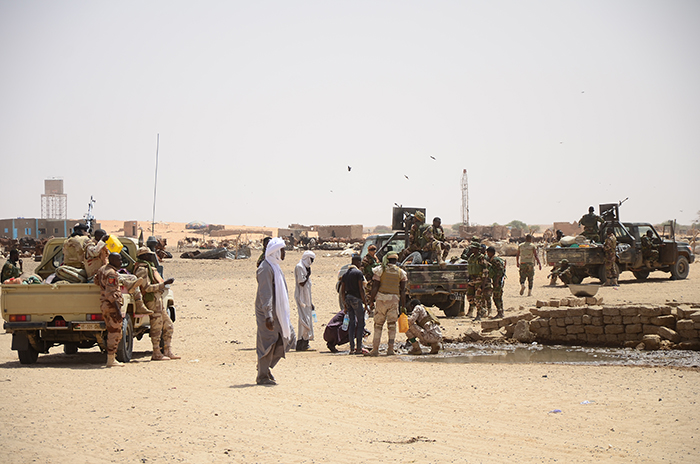
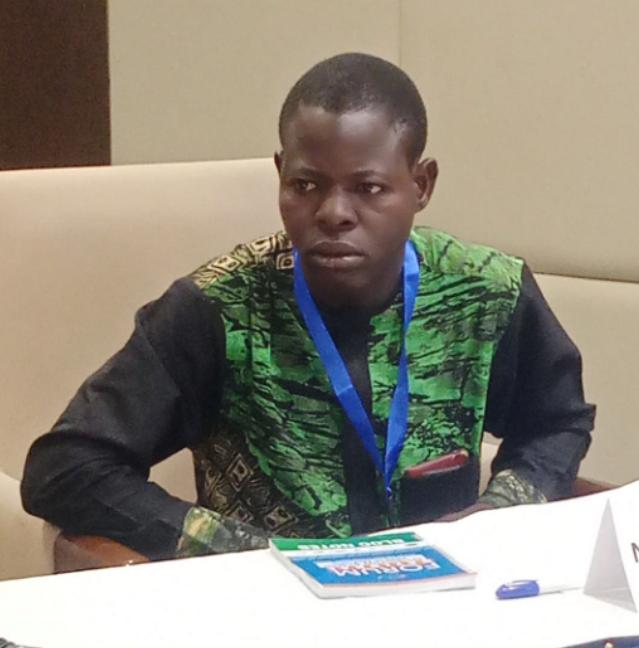
Residents of affected areas like Téra, Makolondi, and Torodi face daily challenges despite ongoing military patrols that provide critical protection. Without this security presence, communities struggle to maintain livelihoods, access education, or move freely. Mr. Seydou Hamidou, a youth leader from the rural commune of Makolondi in Torodi, highlights the human toll of instability: forced recruitment by armed groups, school closures, and economic paralysis force many young people into exile. “When security collapses, our fields go untended, our cattle are stolen, and we are taxed illegally by hostile actors,” he explains. “Young men who attempt to join the national army risk retaliation against themselves and their families.”
Transport costs have also skyrocketed due to insecurity. Mr. Victor Harouna of Téra notes that a journey once costing 3,000 CFA francs now requires up to 15,000. “Displacement has decreased thanks to military interventions, but daily life remains precarious,” he observes.
Women bear the brunt of these challenges. Mrs. Amina from Torodi recounts how insecurity has stripped communities of economic opportunities and education. “Many women have lost husbands or seen their children pulled from school,” she says. “Those displaced to Torodi often lack basic resources. We urge the state to expand military presence and restore safety.”
State-led recovery and national commitment to peace
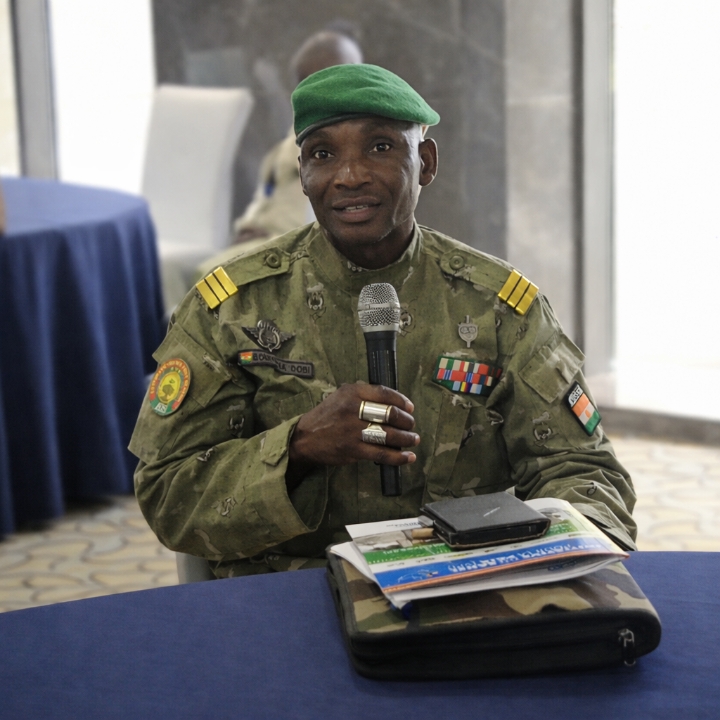
The Prefect of Torodi, Captain Boureima Dobi, shared updates on state efforts to support displaced populations. Over 800 families have returned to their homes in Makolondi, with a second wave of returns planned. “The government is actively addressing food security and welfare needs,” he emphasizes. “We also recognize that some attacks are enabled by local complicity, making community vigilance essential.” He cited recent cases of former extremists who laid down arms and reintegrated into society after sensitization campaigns.
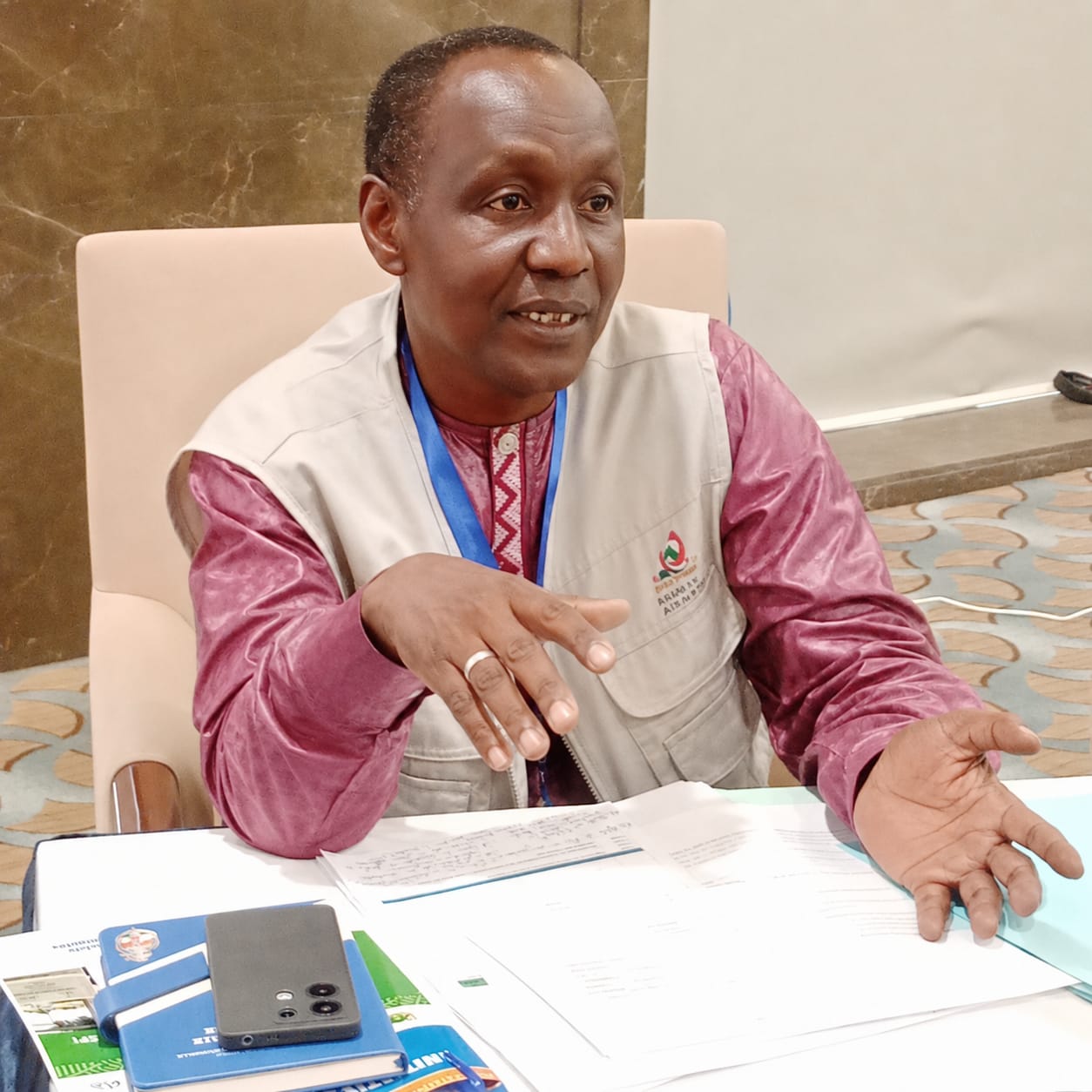
The Haute Autorité à la Consolidation de la Paix (HACP), reporting to the President’s office, has intensified programs to strengthen peacebuilding and social cohesion. Under Director Boubacar Hamidou, the HACP focuses on empowering community leaders, youth, and women through conflict prevention, mediation, and local development projects aligned with municipal priorities.
SPI’s regional mission: dialogue, resilience, and collective action
Launched in 2019 under the auspices of West African Episcopal Conferences and partners such as the CJP Burkina, the Initiative Sahel pour la Paix (SPI) unites Christian and Muslim communities across the Sahel—including Niger, Mali, and Burkina Faso—to advance peace, interfaith dialogue, and community resilience in high-risk areas.
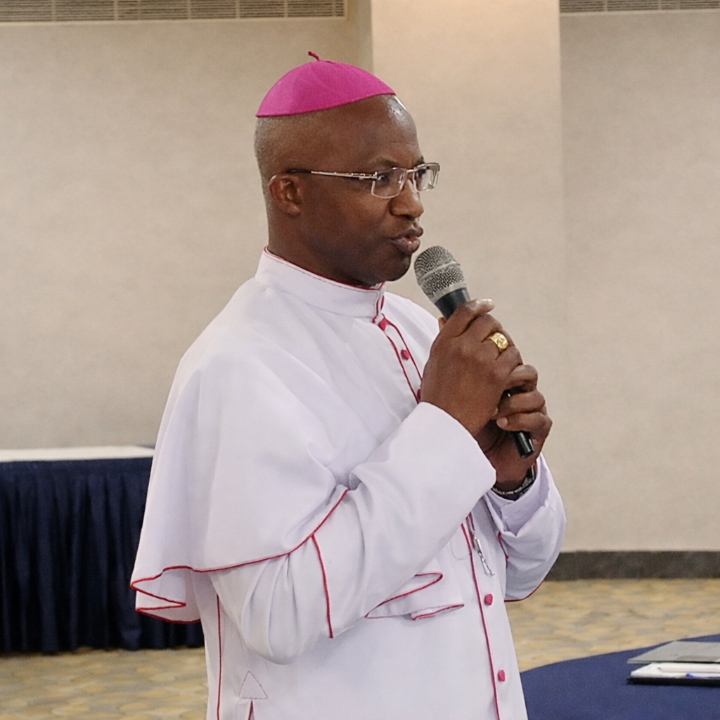
During the Niamey forum, Archbishop Laurent Lompo of Niamey underscored the need for sustained dialogue: “We must convene community and intergenerational forums that unite men, women, and youth to address peace and security together.” The SPI’s work spans capacity-building for peace actors, youth entrepreneurship, peace education, social inclusion, digital innovation, psychosocial support, and the dissemination of best practices.
Religious leaders as catalysts for stability
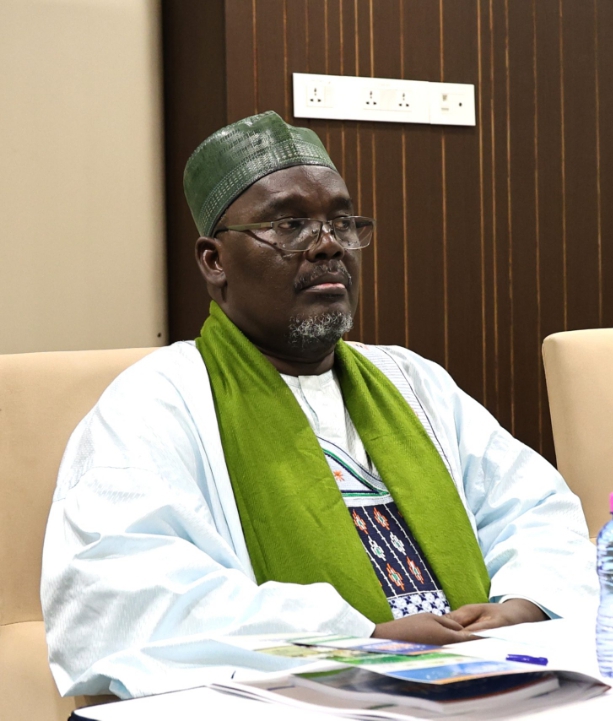
Religious leaders have emerged as pivotal actors in countering violent extremism and fostering social harmony. The Comité National de Dialogue Intra et Interreligieux (CDIR), established to address Boko Haram’s rise in Diffa and now active nationwide, combats hate speech and intercommunal tensions through grassroots mediation and sensitization.
“Our goal is to dismantle narratives that pit communities against one another,” explains CDIR National Coordinator Cheikh Barham Aboubacar. “By addressing religious grievances and promoting mutual understanding, we can prevent conflicts and protect citizens.” The CDIR operates through decentralized peace committees, local cells, and communal structures that resolve land and identity disputes rooted in religious rhetoric.
Media’s vital role in peacebuilding and truth-sharing
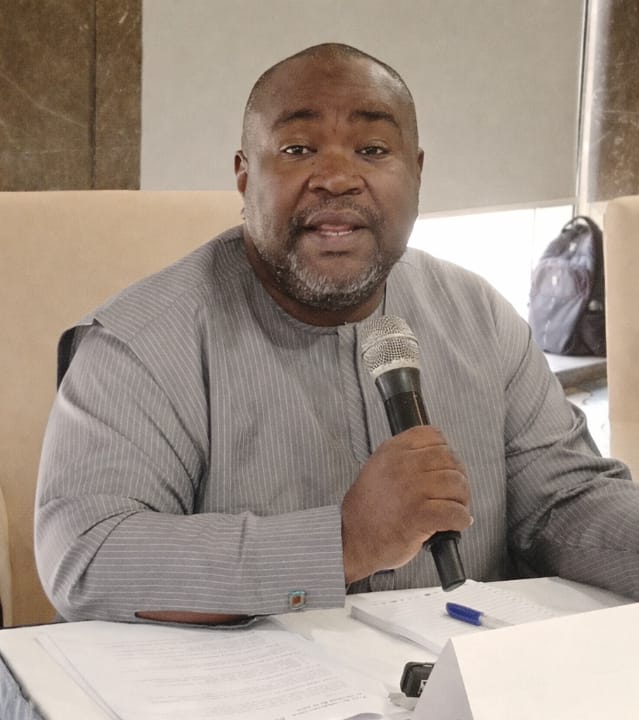
Community media—especially local radio—plays an indispensable role in countering misinformation and uniting populations during crises. Alhassane Mahamane, Editor-in-Chief at Studio Kalangou, emphasizes the power of proximity media: “Community radios give citizens a platform to voice concerns, share realities, and prioritize local needs. They are not just broadcasters; they are development partners.”
Women driving peace and development forward
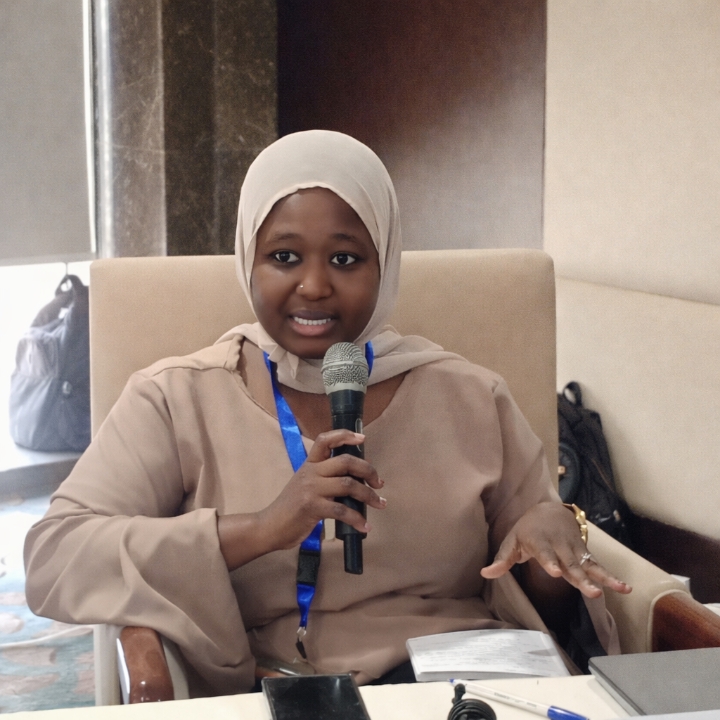
Women are increasingly shaping peace and development through networks and associations. Amina Boukary of the NGO Femmes, Actions et Développement (FAD) highlights their contributions: “Women run income-generating activities, educate children, and strengthen social cohesion. Yet, to lead fully, they need capacity-building, advocacy for girls’ education, and representation in local decision-making.”
“Women make up half the population,” she notes. “Their needs and leadership must be central to peace mechanisms.”
A united call for peace and resilience
Achieving sustainable peace demands collective action, shared responsibility, and unwavering commitment to social cohesion. From Niamey’s forums to Torodi’s fields, Niger’s journey toward stability is being written by citizens, leaders, and institutions working together—one dialogue, one project, and one resilient community at a time.
More Stories
Niger: Tiani’s regime confronts internal challenge three years after seizing power
China’s growing military influence in Gabon
Cameroon’s governance: the symbolism of president biya’s returning hand