
 Boureima Amadou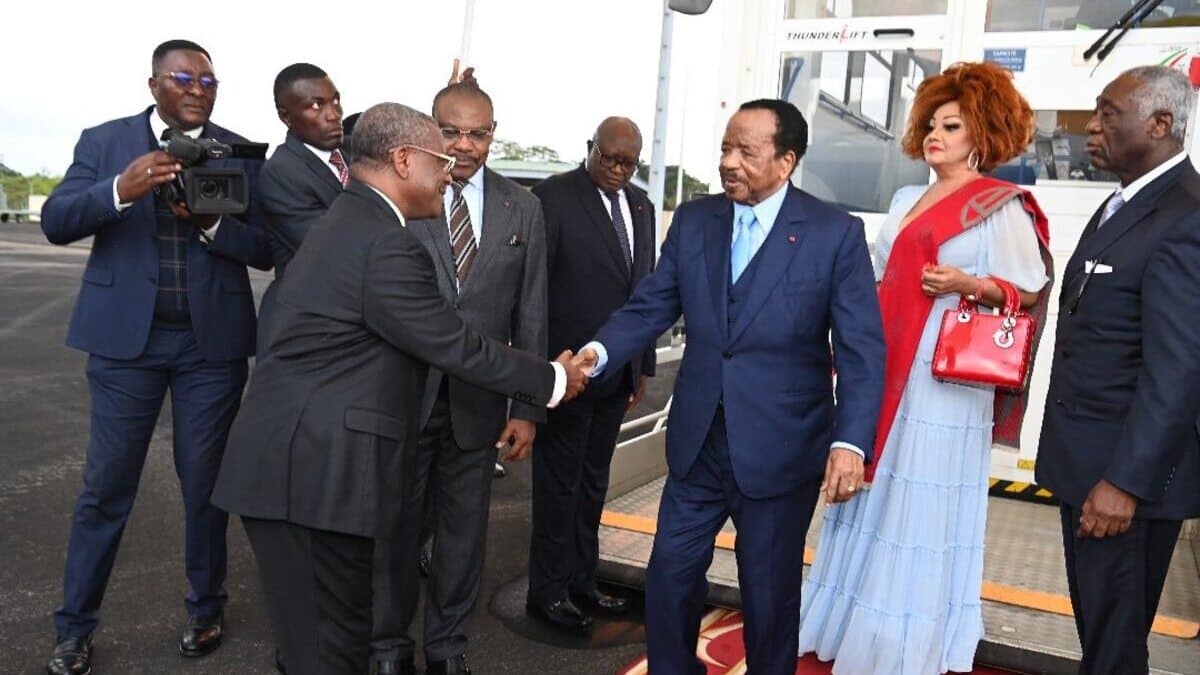
Political editorial
Cameroun: prolonged absence of president raises questions
In his latest political editorial aired on Radio Tiémeni Siantou (90.5 FM in Yaoundé and Bafang), commentator Eric Boniface Tchouakeu examines the implications of the Cameroonian Head of State’s extended stay abroad.
Cameroon’s president’s extended European stay sparks debate
President Paul Biya has been in Europe since June 7, 2026, officially for a “short private stay,” according to a statement from his Cabinet Director, Samuel Mvondo Ayolo. While the government insists this is a temporary absence, the prolonged duration has fueled speculation about the 93-year-old leader’s health and even raised questions about a potential power vacuum.
Cameroon’s political elite and public observers are closely monitoring the situation, particularly as the government has yet to form a new cabinet following the October 2025 presidential election or appoint a Vice President—a position reintroduced through a recent constitutional amendment. This delay, combined with the unusual length of Biya’s absence, has led many to scrutinize the number of days he has spent abroad.
Contrary to popular belief, Cameroon’s constitution does not impose any time limit on the President’s absence from the country. Legal experts emphasize that a power vacuum can only be declared under three specific circumstances: the President’s death, resignation, or definitive impediment—though the constitution provides no clear definition of what constitutes an “impediment.”
This legal ambiguity means the Head of State could theoretically continue governing from abroad without violating any laws, though questions of political ethics and public perception remain. Over his 43 years in power, President Biya has never signed or published major decrees from outside Cameroon, adding to the growing concerns about transparency and governance.
The prolonged absence comes at a critical juncture, with delayed government formation and institutional reforms creating an atmosphere of uncertainty. While the constitution provides a framework for addressing leadership transitions, the current situation underscores the need for clearer guidelines on presidential incapacitation and the ethical obligations of leadership.
Be the first to comment

 Mariama Hamani
Comments