Boureima Amadou
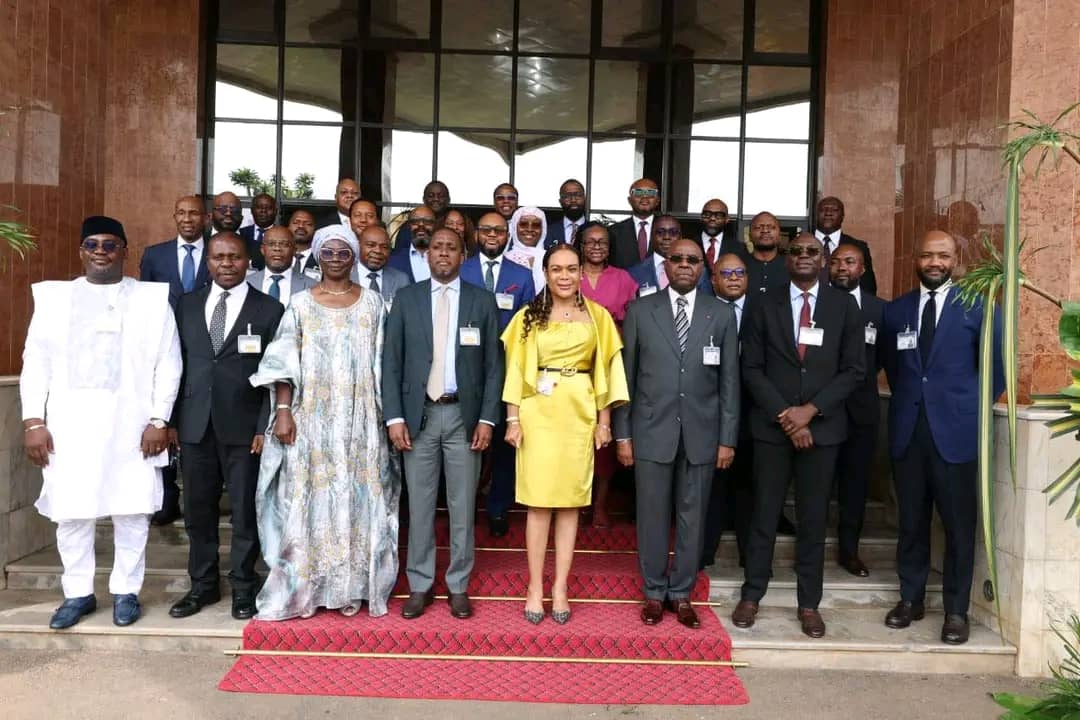
A decisive turning point has been reached in the Yoyo-Yolanda cross-border gas field initiative. On November 4, 2026, Cameroon and Equatorial Guinea concluded a pivotal bilateral meeting in Yaoundé, solidifying their unified strategy ahead of critical negotiations with Chevron, the project’s key partner. The two governments reviewed and finalized the Unit Operations Agreement (UOA)—a landmark framework governing the joint exploitation of shared gas reserves.
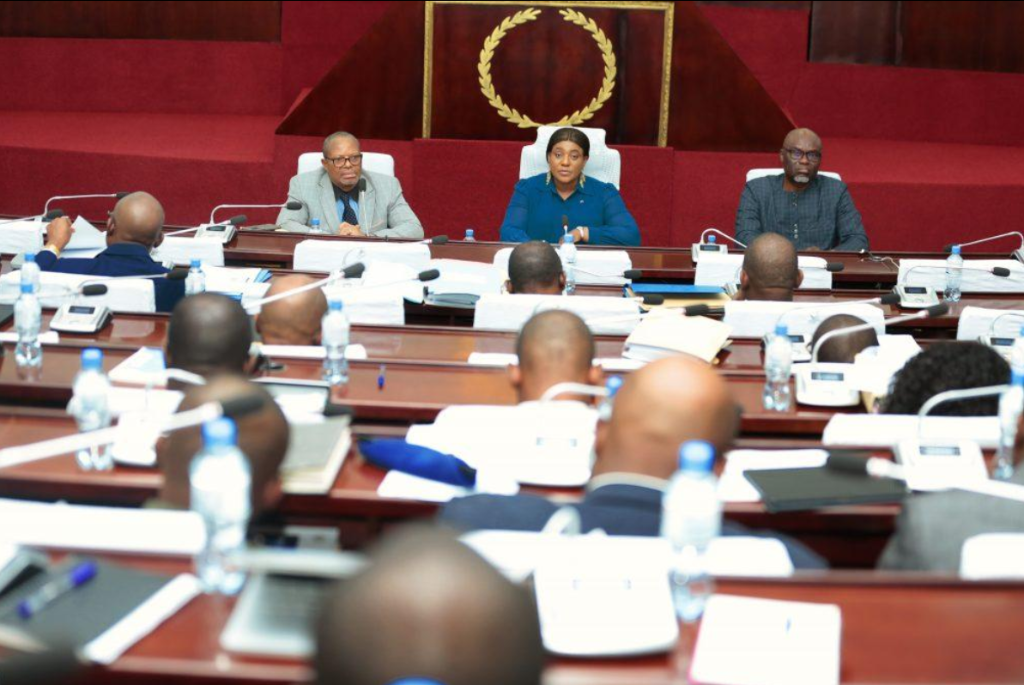
The session, hosted by Cameroon’s Société Nationale des Hydrocarbures (SNH), brought together high-level delegations from both nations. Leading Cameroon’s team was Nathalie Moudiki, Senior Advisor at SNH, while Equatorial Guinea was represented by Oscar Berniko, Director General of State Entities and Oil Assets at the Ministry of Hydrocarbons. The consensus reached underscores their shared commitment to accelerate gas monetization through industrialization, economic growth, and regional energy security.
The collaboration traces back to two historic agreements: the bilateral accord inked on March 17, 2023 in Yaoundé by Presidents Paul Biya and Teodoro Obiang Nguema Mbasogo, and the subsequent Unitisation Agreement signed on February 3, 2026 in Malabo. These milestones laid the groundwork for the November meeting, where delegates refined the UOA to align with Chevron’s operational expectations.
ADVERTISING
With the UOA now in place, the governments are poised to enter the next phase: finalizing Chevron’s role in unlocking the full potential of the Yoyo-Yolanda fields. This initiative represents more than energy cooperation—it exemplifies a South-South collaboration model that could redefine regional economic integration and sustainable resource management.
Analysts highlight several key outcomes of the November 4 agreement:
- Legal clarity: The UOA provides a binding framework for resource sharing, minimizing future disputes over cross-border boundaries.
- Investment confidence: Chevron’s involvement signals strong international confidence in the project’s viability and profitability.
- Strategic alignment: Both nations are aligning their national energy policies with the African Union’s Green Energy Transition Strategy, ensuring long-term socio-economic benefits.
- Regional impact: Successful implementation could serve as a template for other transborder gas projects in West and Central Africa.
The stage is now set for a transformative economic chapter. As the UOA moves into the implementation phase, Cameroon and Equatorial Guinea are not just sharing gas—they’re sharing a vision for industrialization, job creation, and energy independence across the region.