Mariama Hamani

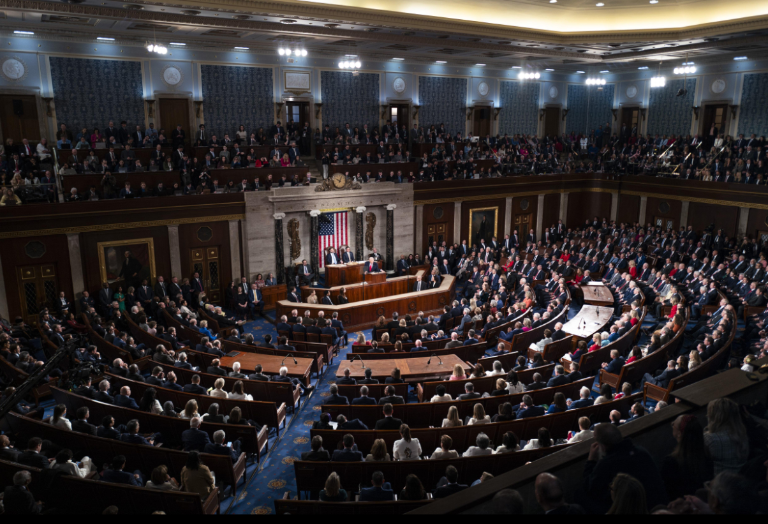
The 2026 US midterm elections delivered a seismic shift in political power, with Democrats reclaiming control of both the House and Senate. By November 4, projections confirmed Democratic majorities in both chambers, marking a decisive break from Republican dominance and setting the stage for a contentious final stretch of Donald Trump’s presidency. This electoral upheaval signals a clear voter mandate for policy change, particularly around economic concerns and institutional accountability.
How Democrats engineered a political comeback
Republicans entered the midterms with a firm grip on Congress, but voter frustration over inflation, stagnant wages, and perceived government dysfunction proved decisive. Democratic candidates successfully framed the election as a referendum on affordability and transparency, resonating with a broad cross-section of the electorate. Their messaging emphasized practical solutions to daily economic pressures—a strategy that paid off in key battleground states.
At the Senate level, Democrats flipped several Republican-held seats, including competitive races in Ohio, Texas, and North Carolina. The party’s gains extended to the House of Representatives, where they secured pivotal victories in Florida and Pennsylvania, areas long considered Republican strongholds. While final tallies continued to roll in, the overall trajectory left little doubt: Democrats had seized the levers of legislative power.
Key races that redefined the political map
A handful of races captured national attention, each underscoring the broader trend of Democratic momentum. In Ohio, Senator Sherrod Brown staged a political resurrection, defeating Republican incumbent Jon Husted to reclaim his seat after a 2024 loss. Meanwhile, in Maine, Democrat Troy Jackson unseated long-time Senator Susan Collins, a Republican stalwart, in a race that upended decades of political tradition.
The most historic outcome emerged in Michigan, where Abdul El-Sayed became the first Muslim American elected to the US Senate. His victory shattered longstanding barriers and signaled a generational shift in representation. Alaska, meanwhile, remained too close to call as vote-counting continued, with political analysts poring over mail-in ballots and provisional results.
What a Democratic-controlled Congress means for Trump’s final term
The shift in congressional balance creates a divided government scenario, one that could either spur compromise or deepen partisan gridlock. Democrats now hold the power to set legislative agendas, advance oversight investigations, and potentially block or amend key components of Trump’s policy agenda. Early indications suggest the party will prioritize economic relief measures and anti-corruption reforms—two issues that dominated campaign rhetoric.
Republicans, now in the opposition, have vowed to resist what they describe as overly progressive Democratic proposals. The stage is set for a high-stakes standoff over budgets, judicial appointments, and regulatory policy, with both sides positioning for the 2028 elections.
Was this a voter mandate for change?
Midterm elections often serve as a real-time referendum on presidential performance. The 2026 results reflect a clear rejection of the status quo, with voters in competitive districts signaling dissatisfaction with rising costs and institutional inertia. While not all races have been finalized, the projected majorities suggest a durable shift in voter sentiment—one that could reshape policy debates and legislative priorities for years to come.
The coming weeks will determine the exact margins of Democratic control, but the political narrative is already clear: the midterms marked a turning point, one that alters the balance of power in Washington and sets the tone for the final two years of Trump’s presidency.