Boureima Amadou
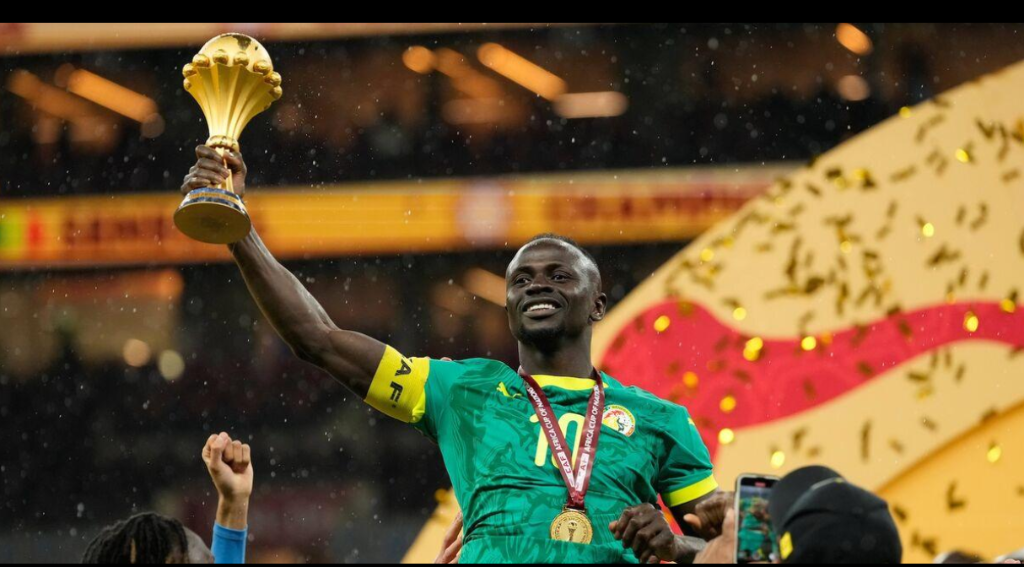
The turning point: CAF scraps quadrennial CAN plan after just one year
The Confederation of African Football (CAF) has executed a dramatic U-turn on its bold plan to shift the Africa Cup of Nations (CAN) from a biennial to a quadrennial tournament. In a unanimous decision on October 29, 2026, CAF’s Executive Committee restored the two-year cycle, putting an end to a reform that had sent shockwaves through African football just 11 months earlier. When Patrice Motsepe announced in December 2025 that CAN would move to a four-year format starting in 2028, the move was hailed as a strategic overhaul—one designed to realign international calendars, reduce player fatigue, and breathe new life into African competitions. Yet, less than a year later, the governing body concluded the gamble was simply too risky.
The financial domino effect: why spacing out CAN could have crippled African football
The CAN is not just a sporting event—it is the financial engine of CAF and a lifeline for 54 member associations. It fuels revenue from broadcasting rights, sponsorships, ticket sales, and commercial partnerships, sustaining everything from national team programs to grassroots football. By stretching the tournament to every four years, CAF risked creating a financial void: a drop in income that couldn’t be immediately offset by the proposed substitute competition—the African Nations League.
The African Nations League was meant to fill the gap, offering regular international fixtures every two years. But according to CAF’s official statement on October 29, this new competition would take several years to generate the kind of substantial revenue that CAN currently delivers. For a continental body reliant on immediate returns, betting on an unproven tournament was a gamble too far. The decision to revert to a biennial CAN was, in essence, a move to protect a proven financial model over an untested experiment.
Why the African Nations League couldn’t replace CAN—yet
The CAN is more than a tournament. It’s a cultural phenomenon with deep roots in African society. It unites nations, unites fans, and unites markets. Its brand is powerful, its audience vast, and its commercial appeal unmatched. The African Nations League, despite its lofty goals, still needs to earn its credibility. It must attract sponsors, secure broadcast deals, and capture the imagination of the public—tasks that require time, consistency, and proven success.
CAF’s own analysis revealed a stark reality: replacing a high-revenue, high-engagement event with one that hasn’t yet proven its financial viability is a recipe for instability. The risk wasn’t just theoretical—it was existential for smaller federations that depend on CAN-generated funds for youth development, infrastructure, and national team operations. For these reasons, the executive committee chose stability over ambition.
Balancing club and country: the player availability factor
Another critical factor in the decision was the impact on African players based abroad. Clubs in Europe and the Middle East had raised concerns about the availability of their stars if CAN moved to a quadrennial schedule. With players increasingly in high demand, a four-year gap could have reduced Africa’s leverage in negotiations and weakened the global competitiveness of its stars.
Moreover, the shift threatened to disrupt the rhythm of African football itself. With the CAN every two years, national team players maintain a consistent high-level competitive cycle, which benefits both individual development and national team performance. The new plan would have created long dry spells, potentially eroding the continent’s standing in world football.
A new calendar, a familiar rhythm: what changes now?
The revised competition calendar reflects a pragmatic approach. CAN will return to its biennial schedule with tournaments in 2027, 2028, 2031, and 2033. The absence of a 2030 edition is no accident—it accommodates the FIFA World Cup that year, ensuring no major clash with international commitments. This compromise shows CAF’s willingness to adapt without abandoning its core event.
While the core format remains, the focus now shifts toward modernization. CAF is expected to streamline logistics, optimize broadcasting windows, and strengthen commercial partnerships to maximize the tournament’s financial and developmental impact. The goal: to make every CAN edition more efficient, more profitable, and more valuable to member associations.
Stability over experimentation: what this means for African football’s future
This decision marks a turning point not just in frequency, but in strategy. CAF has chosen to prioritize the proven over the experimental. It has acknowledged that Africa’s football ecosystem is not yet ready to absorb the loss of its most lucrative competition without a safer, more reliable alternative in place.
The lesson is clear: you cannot replace a giant without first building a new one. The CAN remains irreplaceable—for now. Its power lies in its rhythm, its history, and its deep connection to the continent’s football culture. By restoring the biennial format, CAF has not only averted a financial crisis—it has reaffirmed the CAN as the heartbeat of African football.

 Mariama Hamani