Boureima Amadou
From Cold War partnerships to 21st-century progress
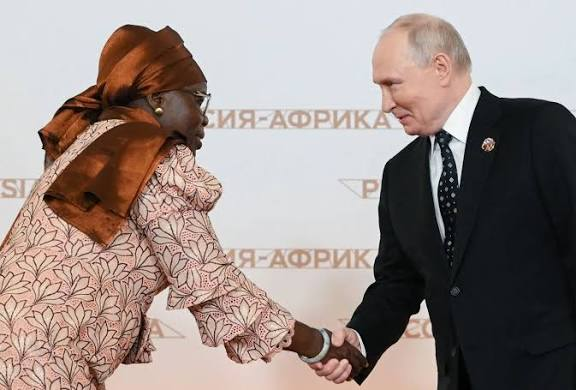
The Vice President of Benin, Mariam Chabi Talata, arrived in Moscow in October 2026 not just as a diplomat, but as a strategist. Her mission was clear: to transform a decades-old relationship forged in the classrooms of Soviet universities and the barracks of joint defense programs into a springboard for economic revival at home. The third Russia-Africa Summit became the stage where Cotonou chose to rewrite its economic future, turning historical goodwill into tangible gains for local industries and communities.
Moscow 2026: where legacy meets innovation
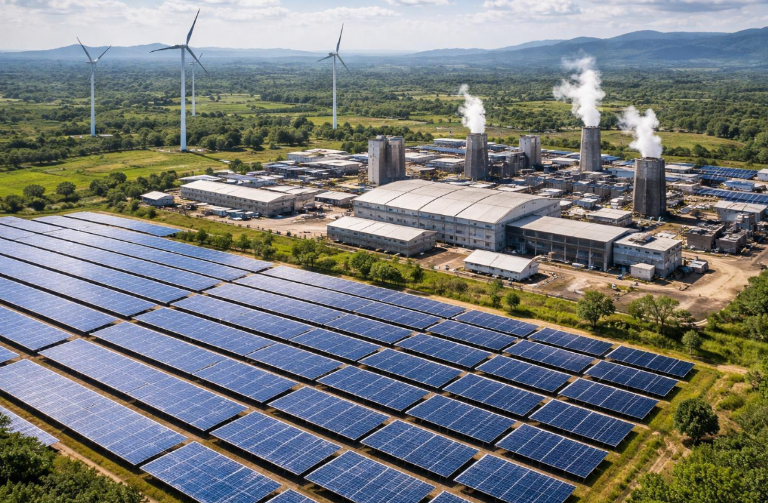
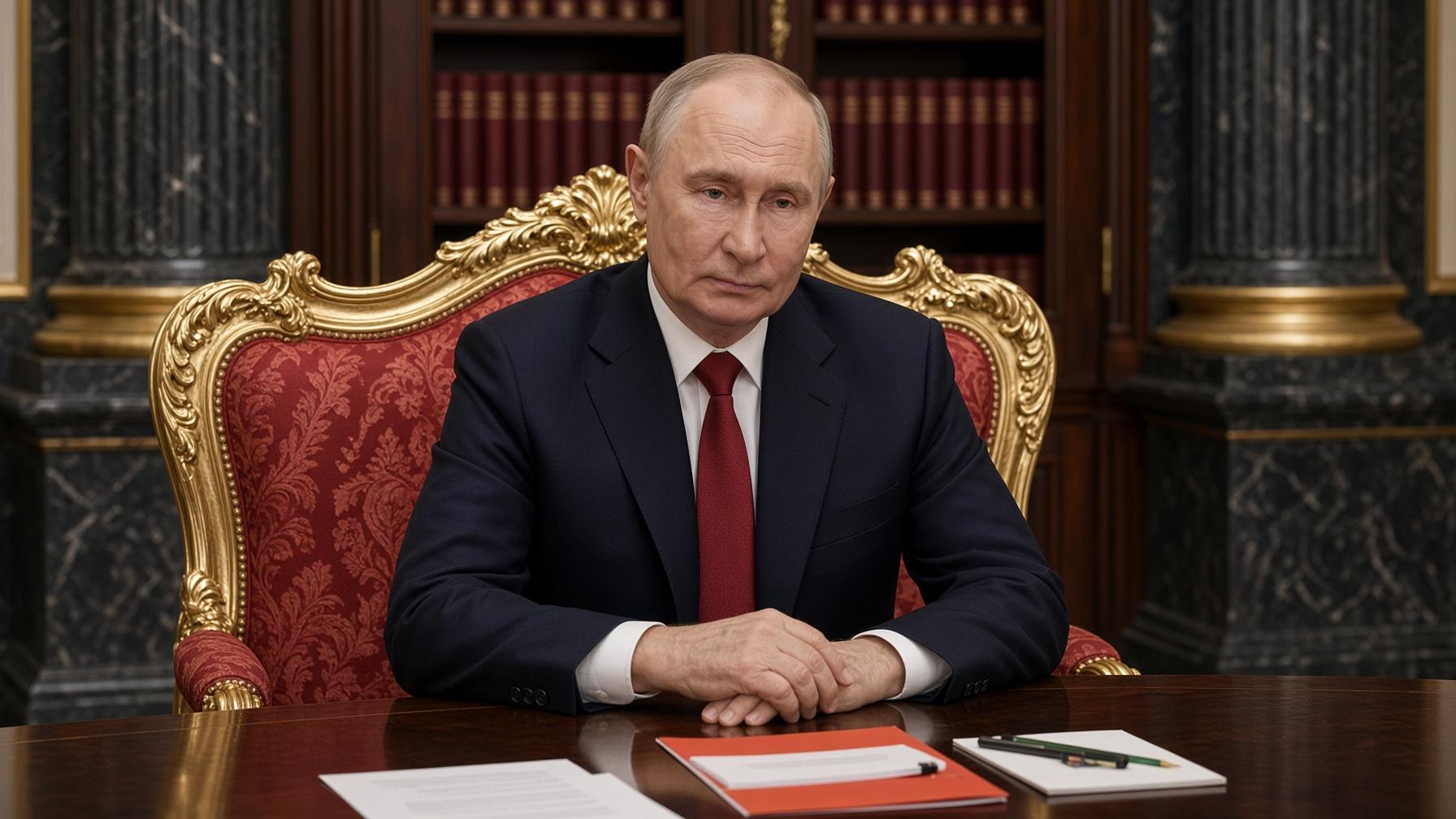
Relations between Benin and Russia trace back to January 1962, the day after Dahomey declared independence. What began as a symbolic gesture of solidarity during the Cold War—training doctors, engineers, and military officers—has evolved into a platform for modern economic diplomacy. Chabi Talata’s presence at the Kremlin, where she met with President Vladimir Putin, was not a formality. It was a statement: Benin is adapting its historical partnerships to meet today’s challenges, from digital infrastructure to agribusiness and renewable energy.
A new chapter for African-Russian cooperation
This year’s summit followed previous editions in Sochi (2019) and Saint Petersburg (2023), serving as a checkpoint for the 2023–2026 action plan. But in Moscow, the conversation shifted. Instead of repeating old debates about aid and dependency, African nations—Benin at the forefront—pushed for balanced, value-driven collaborations. The focus: investments that bring real returns to local economies, not abstract promises. Chabi Talata’s delegation made sure Benin’s voice was heard, advocating for trade agreements that respect sovereignty while accelerating growth.
Breaking the cycle of unequal exchange
For decades, trade between Africa and external partners has often favored raw material exports over local value creation. Benin’s strategy under Chabi Talata rejects that model. During high-level forums and bilateral meetings, she emphasized mutual benefit: Benin exports high-quality agricultural products and handcrafted goods, while gaining access to Russian technology, energy solutions, and investment in critical sectors like healthcare and education. The goal is not to swap one dependency for another, but to build an ecosystem where both nations grow together.
What comes next? From declarations to delivery
The summit concluded with a renewed joint declaration and a 2027–2029 action program. For Benin, the work has only just begun. The Vice President’s return to Cotonou was met with cautious optimism. Analysts highlight that the real test will be implementation—turning signed agreements into roads, factories, and classrooms. If successful, this diplomatic pivot could serve as a model for other African nations seeking to diversify partnerships without compromising their sovereignty. For now, the momentum is on Benin’s side.


 Mariama Hamani