Mariama Hamani
The construction of a new 15,000-seat stadium in Koudougou marks a turning point for Burkina Faso’s sporting infrastructure, but the critical question remains: who is bankrolling this ambitious project? As groundbreaking work approaches, the origins of the funding, the total investment required, and the roles of international and local stakeholders are still shrouded in uncertainty, leaving citizens and analysts seeking clarity on a project that promises to reshape the country’s sports landscape.
From announcement to execution: the stadium project gathers pace
The stadium project is part of the Presidential Initiative for the Uplift and Promotion of Sporting Excellence (IP-RELIS), designed to modernize Burkina Faso’s sports facilities and nurture local talent. With a capacity of 15,000 spectators, the new venue is expected to become a hub for athletic training and major sporting events, addressing a long-standing shortage of high-quality infrastructure in the country’s western region.
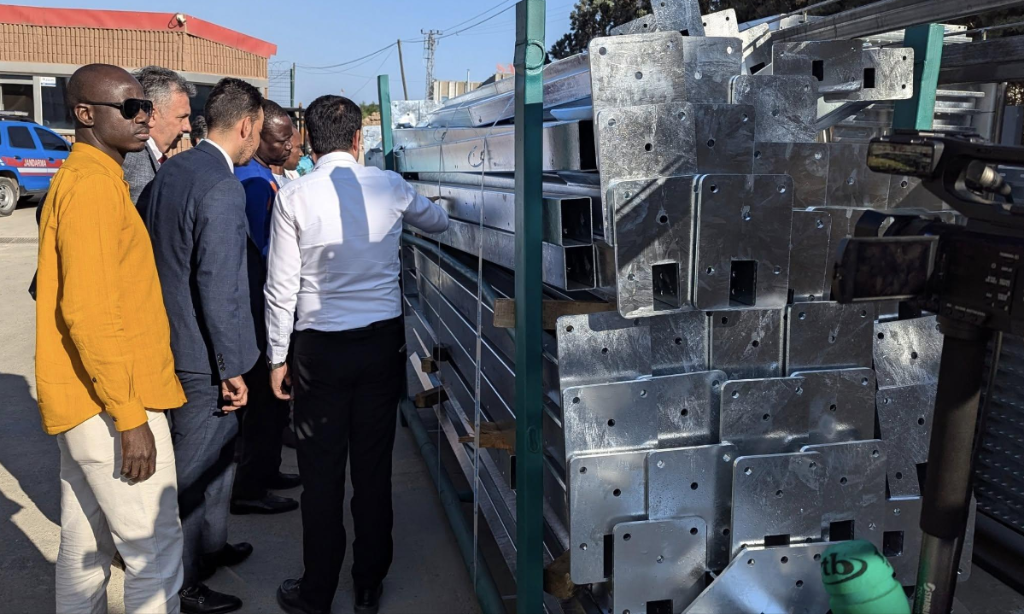
An official delegation visited the chosen construction site on October 24, 2026, signaling that preparations are advancing rapidly. Yet, despite this momentum, key financial details remain undisclosed. How much will the project cost? Will it be funded entirely domestically, or through a blend of public, private, and international sources? These questions are central to assessing the project’s feasibility and its long-term impact on Burkina Faso’s economy and sporting development.
Integral Sport steps onto the field: what does Turkey’s involvement really mean?
The Turkish construction firm Integral Sport has been selected to build the stadium, working in tandem with Burkina Faso’s Faso Mêbo Agency. This same company is also responsible for the 15,000-seat Leguema Stadium in Bobo-Dioulasso, reinforcing its role as a key player in the country’s sports infrastructure development.
But the company’s involvement raises important questions: Is it merely a contractor paid through a government contract, or does it play a deeper role in financing? Could there be loan agreements, public-private partnerships, or foreign investor participation? Without access to the official construction contract or financial disclosures, it is impossible to determine whether Turkey is providing direct funding, loans, or technical support under terms that benefit Burkina Faso’s economy.
Transparency is crucial. The public deserves to know whether Integral Sport is acting as a builder alone or as a financial partner, and what guarantees exist for the quality and timely delivery of the project.
Faso Mêbo and the government: operational roles vs. financial responsibilities
The Faso Mêbo Agency is slated to collaborate on the stadium’s construction under the IP-RELIS framework, which was launched to elevate Burkina Faso’s sporting standards. While the agency is clearly involved operationally, its financial contribution remains undefined. Does Faso Mêbo provide land, labor, or direct funding? Is it coordinating with other government bodies to secure budget allocations?
The same uncertainty surrounds the role of the Burkinabè government. Although the project was initiated under presidential guidance, this does not automatically mean the entire cost will be covered by national budgetary resources. To confirm this, detailed budget documents, signed financial agreements, or project execution plans must be made public.
Distinguishing between who oversees the project, who executes the construction, and who pays for it is essential for accountability and public trust.
The call for financial transparency in public infrastructure
Public scrutiny of large-scale infrastructure projects is vital to ensuring responsible governance. For the Koudougou stadium, full financial transparency would include publishing the estimated total cost, the breakdown of funding sources, the tender award process, the respective obligations of all parties, and a realistic construction timeline.
If international partners are involved, their identities and the nature of their contributions should also be disclosed. If the project relies solely on domestic funding, the specific budget allocations, payment schedules, and procurement methods must be made clear. Without this information, citizens cannot assess whether public funds are being used efficiently or whether the project represents value for money.
Transparency not only builds trust but also allows for timely oversight and reduces the risk of cost overruns or mismanagement.
What’s next? A demand for answers from all stakeholders
The Ministry of Sports, the leadership of IP-RELIS, Faso Mêbo Agency, and Integral Sport are the key actors who can clarify the financial framework of the stadium project. Their responses should address whether the construction contract has been finalized, its financial terms, the tendering procedure used, and whether any external financing agreements have been secured.
These answers are especially important given the high expectations surrounding the project. Beyond the physical structure, the community wants to understand the financial commitment required and how it aligns with the country’s broader development priorities. A well-funded, transparent project could serve as a model for future sporting and public infrastructure initiatives.
The road ahead: funding will define the stadium’s legacy
The Koudougou stadium has the potential to transform local sports and serve as a catalyst for regional development. But its success depends not only on its design and capacity, but on the clarity and soundness of its financing.
Is this a fully Burkinabè-funded initiative, a collaborative international effort, or a blend of both? Until the authorities release comprehensive financial documentation, the origin of the funds—and the sustainability of the project—remain uncertain. Citizens, sports enthusiasts, and policymakers alike are waiting for definitive answers that will determine whether this stadium represents a true breakthrough in Burkina Faso’s sporting future—or another unfulfilled promise.

 Boureima Amadou