Mariama Hamani
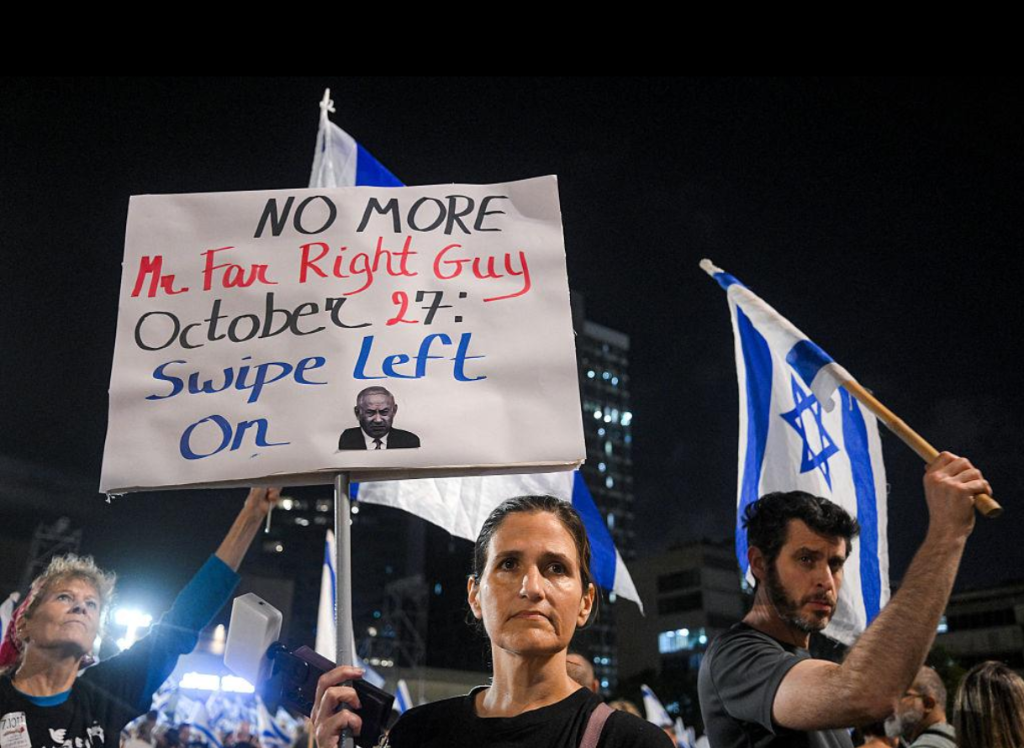
Netanyahu clinches win but lacks the votes to govern alone
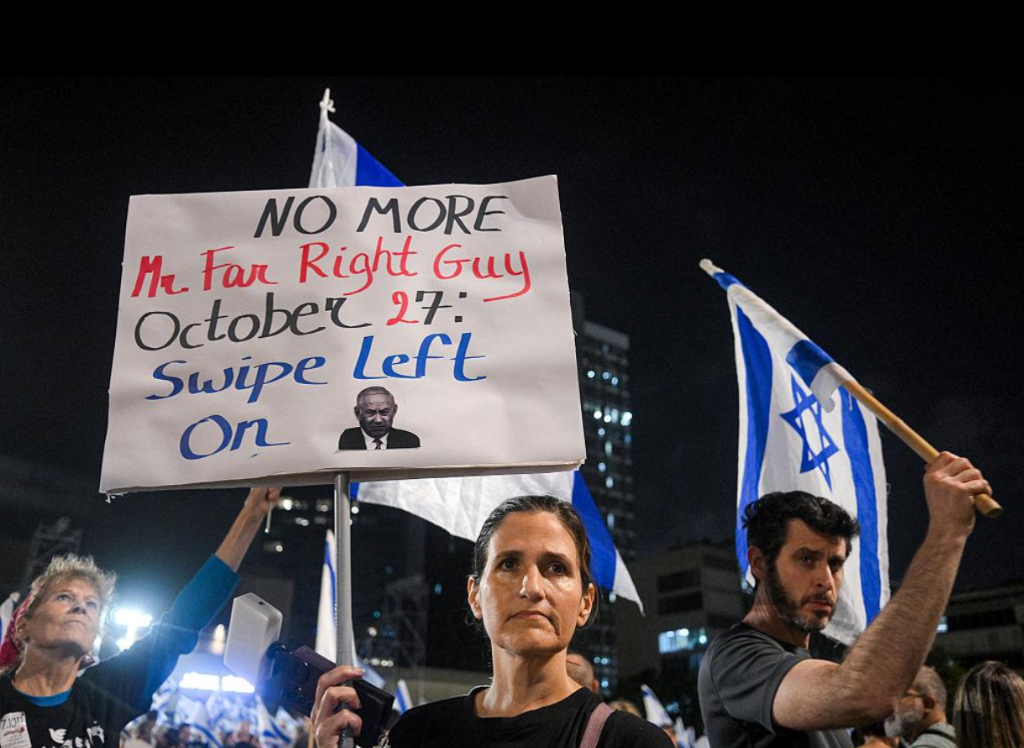
Benyamin Netanyahu has claimed victory in Israel’s 2026 legislative elections, securing the most seats in the Knesset. However, his bloc falls short of the 61-seat majority required to form a government, leaving the political landscape in disarray. With 53 seats to his coalition’s name, Netanyahu faces a determined opposition holding 48 seats, while the Arab parties command 19 seats—their highest representation yet. This fragmented result signals not just domestic turbulence but a potential realignment across the Middle East, from Gaza to Tehran.
A fragmented Knesset sets the stage for high-stakes negotiations
Netanyahu’s Likud party remains the largest with 27 seats, but this is a far cry from the 68 it held in the previous Knesset. The opposition, led by former military chief Gadi Eisenkot, has emerged as a formidable force with 48 seats. Meanwhile, Arab parties, including the Joint List and Ra’am, have secured a historic 19 seats, positioning them as kingmakers in potential coalitions.
The absence of a clear majority opens the door to multiple scenarios: a unity government, a minority coalition, or even another round of elections if negotiations collapse. What is certain is that Israel’s political elite now faces the unenviable task of bridging deep ideological divides in a society already strained by years of conflict and dissent.
Gaza’s future hangs in the balance amid political uncertainty
The humanitarian crisis in Gaza remains a critical issue as Israel navigates its post-election reality. Reconstruction efforts, security concerns, and the question of Palestinian governance will dominate the agenda for whichever coalition emerges. Netanyahu’s traditional allies—nationalist and religious factions—insist on a hardline stance toward Palestinian territories, potentially prolonging the status quo. An alternative government, however, might explore diplomatic avenues, though sweeping changes in policy are unlikely given the divisive nature of these issues across all political blocs.
For Palestinians, the election result offers no immediate relief. Instead, it underscores the fragility of the current situation and the heavy influence of Israel’s internal politics on broader regional dynamics.
Iran and Hezbollah loom large over Israel’s strategic calculus
Beyond domestic politics, the election outcome could reshape Israel’s approach to its most pressing security challenges. Iran’s nuclear ambitions, ballistic capabilities, and support for regional militant groups remain top priorities for Israeli strategists. A weakened government, struggling to maintain cohesion, may find it harder to articulate a unified stance on these matters. Yet, national security concerns typically transcend partisan divides in Israel, offering a rare point of consensus.
Similarly, the evolving relationship with Hezbollah in Lebanon presents significant risks. Any military escalation could trigger devastating humanitarian and economic consequences, further destabilizing an already volatile region. Syria, too, remains a critical theater to monitor, as shifts in power dynamics along Israel’s northern border could have far-reaching implications.
Regional stakeholders brace for impact as Israel’s political drama unfolds
The United States will closely watch as Israel’s political factions jockey for influence. While the U.S.-Israel alliance remains a cornerstone of regional stability, disagreements over Gaza, military operations, and regional de-escalation could strain ties. Arab capitals, including Cairo, Amman, Riyadh, and Abu Dhabi, are also tuning in, though with cautious optimism.
For Saudi Arabia, normalization with Israel hinges on progress in Palestinian statehood and regional security conditions. A government unable to define a clear pathway forward may slow diplomatic momentum, while a coalition open to negotiations could unlock new opportunities—though not necessarily guarantee breakthroughs.
A turning point for Israel—and the Middle East
The October 27 elections have laid bare Israel’s deep societal fractures, exposing divisions over security, governance, religion, and national identity. With Arab parties gaining unprecedented influence and Netanyahu’s coalition weakened, the path to a stable government is fraught with obstacles.
Three potential outcomes loom: Netanyahu retains power through new alliances, an opposition-led government takes shape, or Israelis return to the polls if talks fail. Each scenario carries profound consequences—not just for Israel but for the entire Middle East. The stakes could not be higher, as the decisions made in Jerusalem reverberate from Gaza to Tehran, reshaping the geopolitical landscape in unpredictable ways.
The lesson is clear: Netanyahu may have won the election, but the votes did not grant him the mandate to rule. In a region where every move by Israel can send shockwaves across borders, this pivotal moment could mark the beginning of a new era of uncertainty—or the catalyst for change.


 Boureima Amadou