Boureima Amadou
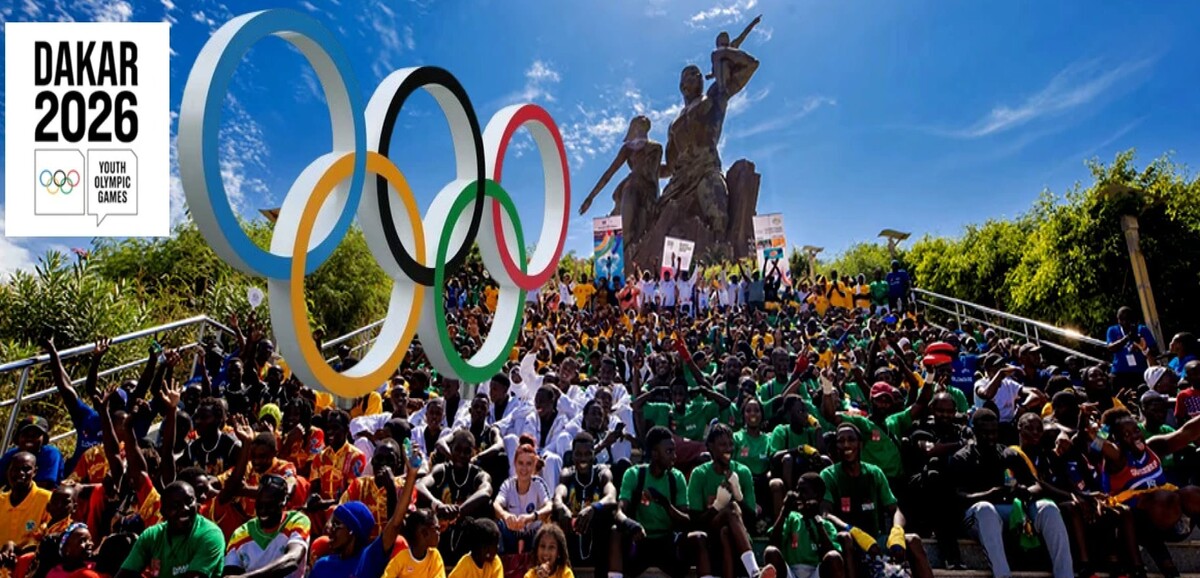
Dakar 2026: a game-changing moment for African youth sports
The countdown has begun. On October 31, Dakar will host the first-ever Youth Olympic Games on African soil, marking a historic milestone for the continent. Over two weeks, 2,700 young athletes from more than 200 nations will compete across 25 sports in Dakar, Diamniadio, and Saly. More than a competition, this event signals a turning point for African sports and global youth development.
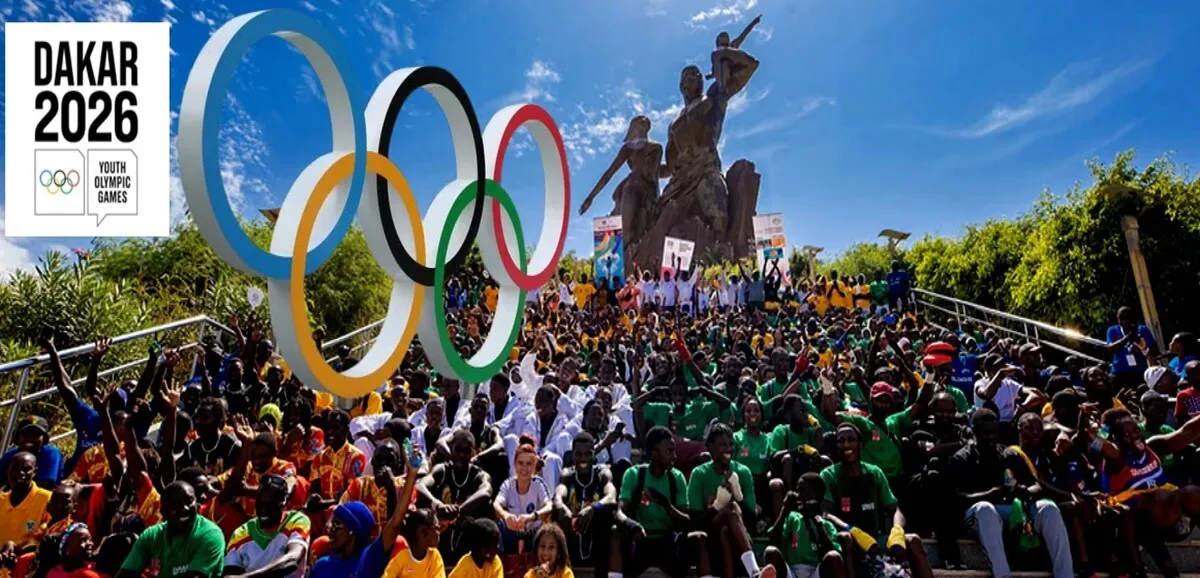
An unprecedented chapter for African athleticism
For the first time in history, Africa is hosting the Youth Olympic Games. Scheduled from October 31 to November 14, Dakar 2026 brings together 2,700 athletes under 18 from over 200 countries. Competing across 25 disciplines, these young talents will showcase their skills while writing a new page in African sporting heritage. Beyond medals and records, this event is a testament to the continent’s rising influence within the Olympic movement.
The Games are set to unfold across three key venues: the iconic Abdoulaye Wade Stadium in Dakar, the modern Diamniadio Olympic Complex, and the coastal city of Saly. Each location has been chosen not just for its infrastructure but for its role in promoting youth engagement in sports and culture.
Celebrating Senegal’s culture and hospitality
Dakar 2026 is as much about culture as it is about competition. Organizers are leveraging this global platform to highlight Senegal’s rich traditions and the warmth of its people. At the heart of this vision is teranga—a Wolof concept embodying hospitality, generosity, and openness. Delegations and visitors will experience this firsthand, from cultural performances to community engagement activities designed to foster cross-cultural exchange.
The cultural program includes exhibitions, music, dance, and forums that spotlight African arts and innovation. These initiatives aim to leave a lasting impression, reinforcing Senegal’s reputation as a vibrant hub of creativity and unity.
More than athletes: embracing inclusion
A groundbreaking feature of Dakar 2026 is the inclusion of the first-ever Refugee Olympic Team in the Youth Olympic Games. Comprising young athletes from African displacement contexts, this team embodies the power of sport as a bridge across divides. Their participation underscores the International Olympic Committee’s commitment to using athletics as a force for social change and solidarity.
Senegal’s organizers have also prioritized legacy-building initiatives. Plans include youth sports development programs, volunteer mobilization, and infrastructure upgrades that will benefit local communities long after the Games conclude. The ambition is clear: Dakar 2026 is not just a sporting spectacle but a catalyst for sustainable progress in education, health, and social cohesion.
A legacy for generations to come
As the world watches, Dakar 2026 stands as a bold statement: Africa is ready to lead. Through sport, culture, and inclusion, this historic event is poised to ignite a wave of opportunity for young people across the continent and beyond. It’s a turning point that could redefine the future of Olympic competition and global youth engagement.

 Mariama Hamani