Mariama Hamani
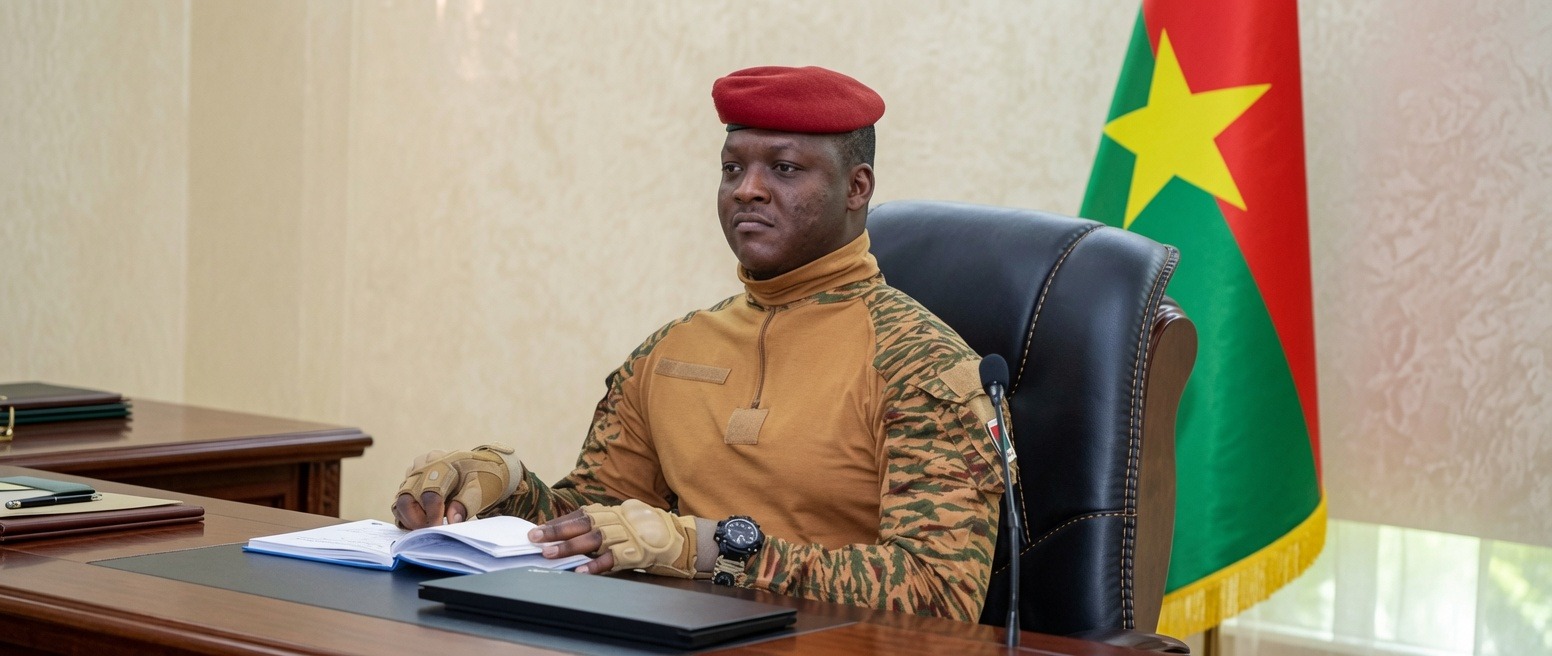
The military government of Captain Ibrahim Traoré has taken a decisive step in consolidating power in Ouagadougou by pushing for the unanimous reinstatement of the death penalty in the penal code. Marketed under the chilling slogan “Sentimentalism is over,” the reintroduction of capital punishment—abolished in Burkina Faso in 2018—is framed as a bold move for national strength. Yet beneath the rhetoric of sovereignty and anti-treason rhetoric, critics warn the reform is a tailor-made political weapon designed to permanently neutralize rivals, particularly former transitional leader Lieutenant Colonel Paul-Henri Sandaogo Damiba.
The death penalty as a tool to silence Damiba
Facing charges of high treason and conspiracy against state security, Paul-Henri Sandaogo Damiba stands at the top of the regime’s purge list. Observers note the timing of this legal overhaul is far from coincidental: by restoring the death penalty, Ibrahim Traoré’s government is laying the juridical groundwork to pursue capital punishment against his predecessor in an upcoming trial.
With the explicit removal of pardon or leniency options under the banner of rejecting “sentimentalism,” the regime is sending a clear message of intimidation to opposition factions and dissenting voices within the armed forces—with Damiba set to become a cautionary example.
The cruel irony: Damiba’s own weapons turned against him
The relentless judicial campaign against Burkina Faso’s former strongman exposes the tragic irony of the country’s recurring coup cycle. Paul-Henri Sandaogo Damiba now faces the ultimate penalty at the hands of those who once fought alongside him:
- Same tactics, same illegitimacy: In January 2022, Damiba forcibly ousted democratically elected President Roch Marc Christian Kaboré, framing his action as a “patriotic awakening.” Eight months later, Ibrahim Traoré applied the identical playbook to remove Damiba from power.
- From liberation to treason: What once justified Damiba’s use of force is now retroactively labeled capital treason by his successors. The shifting narrative reveals how justice is weaponized to serve shifting political agendas.
The spiral of vengeance: a recipe for endless instability
By discarding “sentimentalism” in favor of state terror tactics, Ibrahim Traoré risks locking Burkina Faso in a dangerous cycle of political retribution. Using criminal justice—and the reinstated death penalty—as a means to settle elite military scores only deepens the country’s cycle of instability.
History shows that today’s executioners often become tomorrow’s condemned. Those who restore the ultimate punishment today may soon find themselves staring down the same blade they once wielded.

 Boureima Amadou