Mariama Hamani
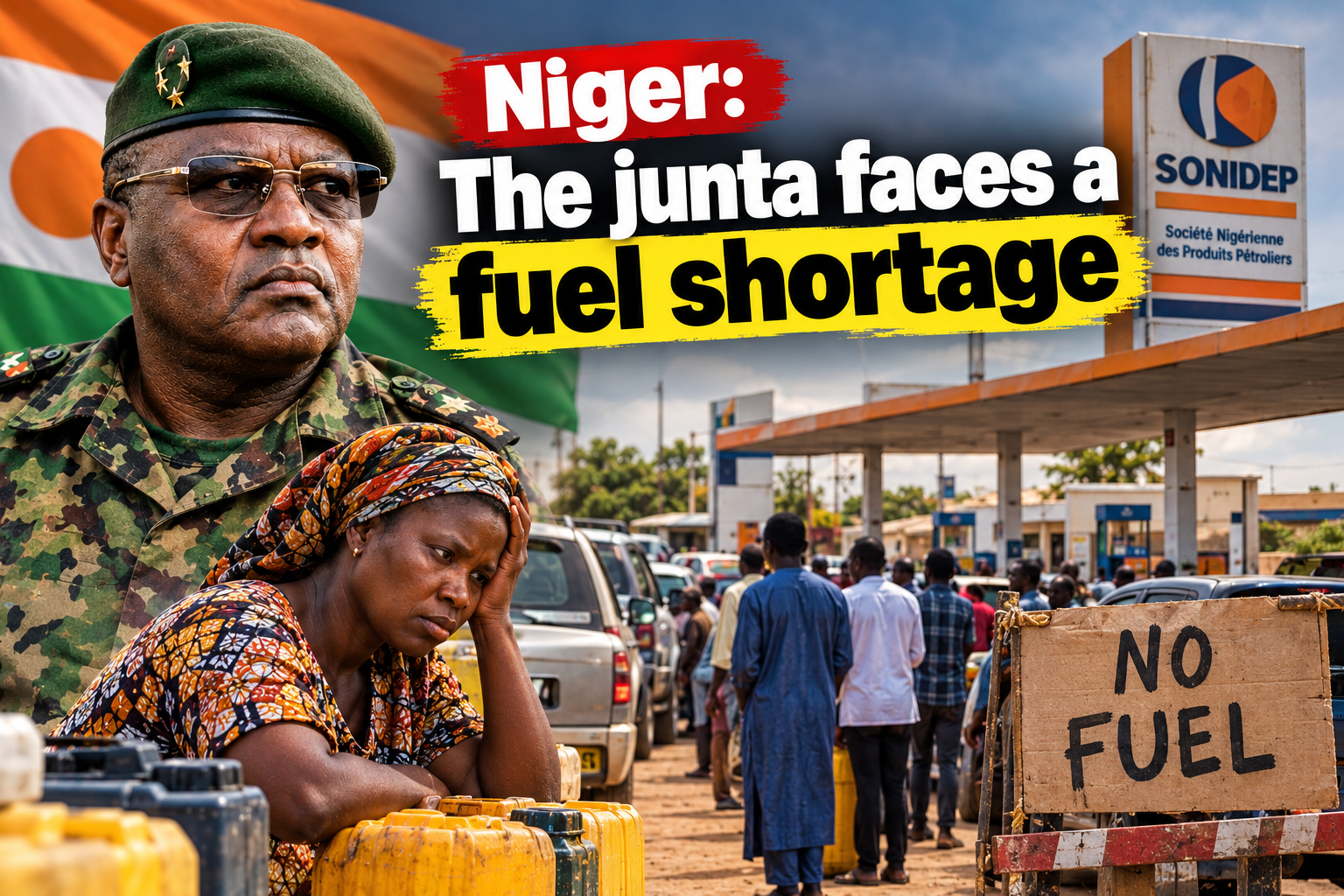
The growing fuel shortage in Niger is no longer a localized issueit has become a national crisis disrupting daily life, throttling commerce, and testing the resolve of the military-led government. As the scarcity spreads beyond provincial borders into Niamey, the capital, the question arises: how can a nation rich in oil struggle to keep its fuel tanks filled?
From oil fields to empty pumps: the hidden mechanics of scarcity
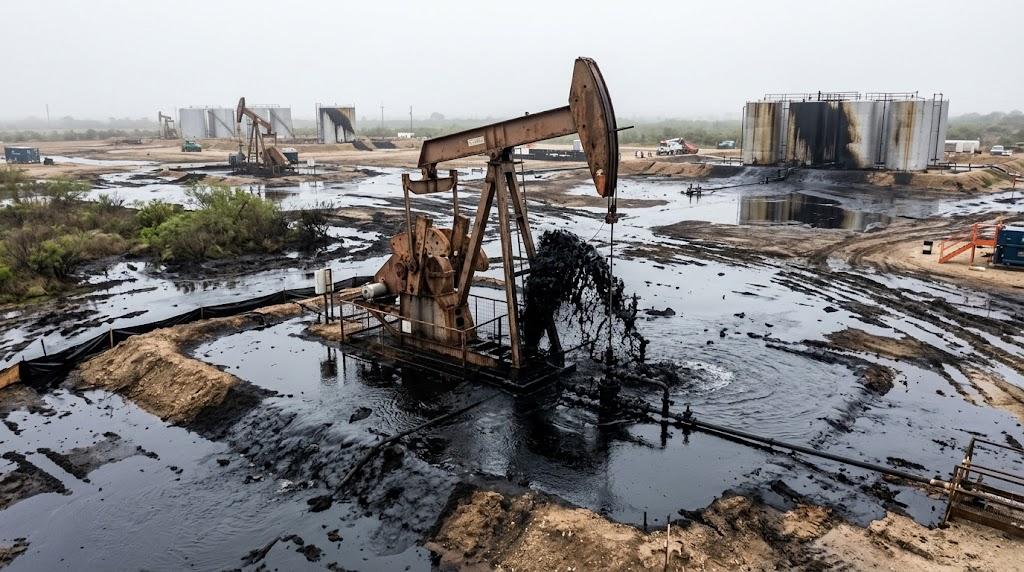
Niger’s paradox lies not in the absence of petroleum, but in the failure to translate crude reserves into consistent supply. Despite being a producer, the country faces intermittent shortages of gasoline and diesel, exposing critical gaps in refining, storage, and distribution networks. These weaknesses can stem from logistical bottlenecks, strained transport corridors, seasonal demand surges, or inefficiencies in the supply chain each disrupting the flow from refinery to pump.
Without transparent data on stock levels, distribution volumes, and demand forecasts, citizens cannot distinguish between temporary glitches and structural flaws. What is clear, however, is that the impact is immediate: taxi drivers idle at depots, merchants delay deliveries, and commuters face longer, costlier journeys each ripple affecting livelihoods across urban and rural communities.
Public patience wears thin as engines stall
The military junta, which came to power in July 2023 pledging greater economic sovereignty and self-reliance, now faces a defining test. While the regime highlights control over national resources as a cornerstone of its legitimacy, citizens gauge success through tangible delivery: reliable fuel, stable prices, and uninterrupted services. When petrol stations run dry, the disconnect between rhetoric and reality becomes impossible to ignore.
Commuters spend hours queueing at pumps, small business owners watch transport costs rise, and families adjust budgets to absorb higher mobility expenses. For a population already burdened by economic strain, fuel scarcity is more than an inconvenience it’s a fresh grievance that fuels broader discontent toward governance and resource management.
Transparency and action: the path to restoring trust
To restore confidence, the authorities must move beyond statements of intent and provide verifiable insights into inventory levels, refining capacity, and distribution timelines. A clear outline of the current supply chain bottlenecks whether due to refining delays, port congestion, or transport disruptions can help the public understand the scope of the problem and the expected resolution timeline.
Measures such as prioritizing fuel allocation for essential services, accelerating repair of distribution pipelines, and introducing short-term rationing measures during peak demand periods could signal decisive action. Yet these steps require not just policy announcements, but consistent execution and public accountability.
The sovereignty litmus test: fuel, trust, and national resilience
For a nation that prides itself on oil production, the inability to fuel its own economy represents a profound failure of governance. The crisis underscores a harsh truth: sovereignty is not declaredit is demonstrated through the daily ability to meet citizens’ basic needs. As long as pumps remain empty and engines idle, the junta’s narrative of self-sufficiency rings hollow.
The way forward demands more than technical fixes. It requires political courage to acknowledge shortcomings, economic foresight to strengthen logistics, and above all, transparency to rebuild public trust. Until then, the gap between oil wealth and fuel access will continue to widen and with it, the pressure on those in power.
By Mariama Hamani — Journalist