Boureima Amadou
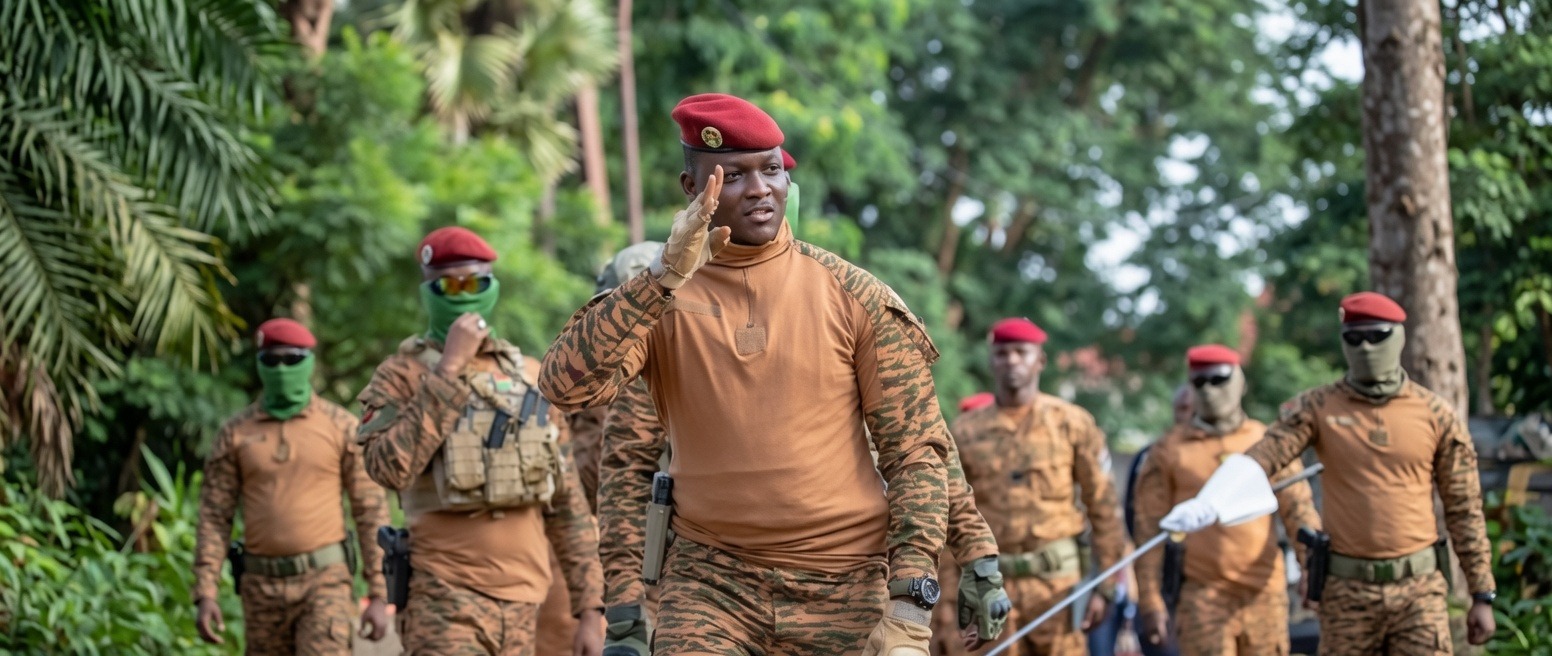
The military ruler of Burkina Faso has declared democracy a failed concept, urging citizens to abandon the system entirely. Captain Ibrahim Traoré, who seized power three years ago through a coup, made the bold statement during a primetime interview on national television.
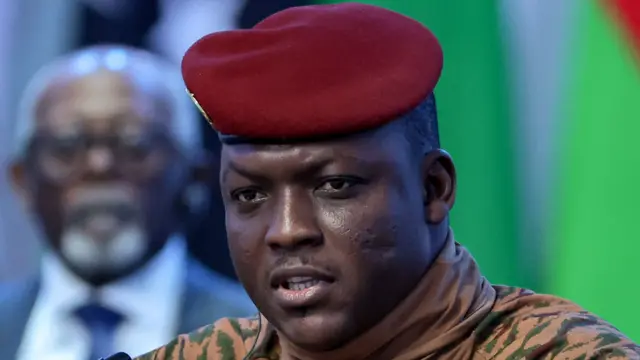
Military ruler calls for sweeping political reforms
Traoré’s comments mark a definitive break from Burkina Faso’s previous commitment to democratic governance. Just three years ago, the captain had pledged to restore civilian rule by July 2024. Yet with two months remaining before that deadline, the military junta announced a five-year extension to its transitional mandate, effectively shelving democratic aspirations.
In January, the authorities took a further step away from pluralism by banning all political parties, framing the move as part of a broader strategy to ‘rebuild the state.’ Traoré has since framed these actions as necessary to eliminate divisive political structures, describing them as ‘sources of corruption and division.’
Vision for a new political order
During the televised interview, Traoré dismissed democratic models outright. ‘People must forget about democracy. It is not for us,’ he declared. The 38-year-old leader, who positions himself as a revolutionary figure opposing Western imperialism, cited Libya as a cautionary tale. He pointed to the North African nation’s descent into chaos after Muammar Gaddafi’s fall, despite decades of stability under his authoritarian rule.
The junta leader outlined a vision centered on sovereignty, patriotism, and revolutionary mobilization, with traditional leaders and grassroots structures playing a pivotal role. He emphasized economic and military self-reliance, arguing that Burkina Faso’s development requires longer working hours and a rejection of Western models. ‘Six or eight-hour workdays will not help us catch up with wealthier nations,’ he asserted.
Traoré’s government has systematically suppressed dissent, targeting opposition figures, independent media, and civil society groups. Critics have accused his administration of silencing detractors by deploying them to frontline positions against Islamist militants. Despite these controversies, Traoré has cultivated significant support across Africa for his anti-Western rhetoric and pan-Africanist stance.
Shifting alliances in the Sahel
Like neighboring military-led governments in Mali and Niger, Burkina Faso has distanced itself from Western partners, particularly France, in its fight against Islamist insurgents. Instead, the country has turned to Russia for military assistance, though violence in the region shows no signs of abating.
Recent reports indicate a grim toll since Traoré’s ascent to power in 2023. According to Human Rights Watch, over 1,800 civilians have been killed in Burkina Faso, with two-thirds of these deaths attributed to state forces and allied militias. Islamist militants are responsible for the remaining fatalities.

 Mariama Hamani