Mariama Hamani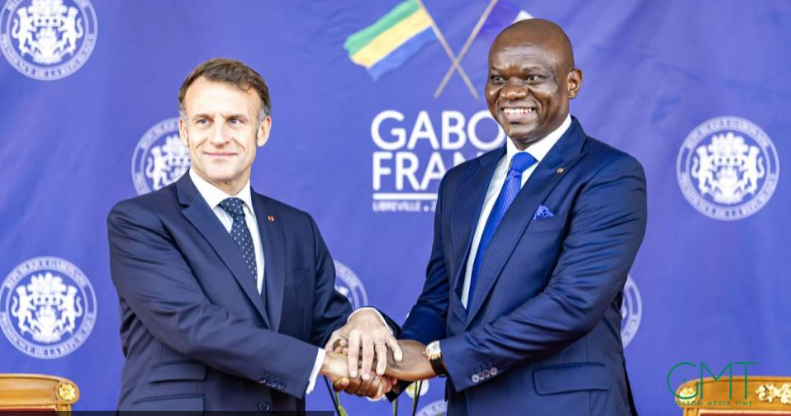
In a landmark three-day state visit to France, Gabonese President General Brice Clotaire Oligui Nguema has set the stage for a transformative shift in bilateral relations. At the core of discussions with French counterpart Emmanuel Macron were two pivotal issues: restructuring the Camp de Gaulle military base and accelerating local processing of manganese. Unlike the abrupt ruptures witnessed in neighboring countries, Gabon is pursuing a measured approach that balances sovereignty with strategic cooperation.
Redefining military presence at Camp de Gaulle
France’s military footprint in Gabon has long been embodied by the Camp de Gaulle, home to the Éléments français au Gabon (EFG). While France’s broader military redeployment across West and Central Africa has reduced troop numbers, Gabon is negotiating a new framework rather than demanding withdrawal. President Oligui Nguema’s vision includes transforming the base into a joint training facility or limiting French presence to technical cooperation and Gulf of Guinea anti-piracy efforts.
This strategy allows Libreville to showcase restored national sovereignty to its citizens while preserving critical security partnerships. Paris, meanwhile, seeks to adapt its military posture without alienating a key regional ally, having learned from recent setbacks elsewhere on the continent.
Manganese transformation: Gabon’s path to economic sovereignty
Economic negotiations took center stage as Gabon, the world’s second-largest manganese producer, pushes for an end to its colonial-era extractive model. Historically, the mineral has been exported raw, but President Oligui Nguema has made one demand clear: future cooperation hinges on local industrialization and value addition.
The Gabonese government insists on fairer revenue sharing, job creation for local youth, and financial-technical support for high-value processing plants. By aligning with global energy transition demands—where manganese is essential for electric vehicle batteries—Libreville aims to position itself as a strategic player rather than just a raw material supplier.
Gabon’s pragmatic diplomacy amid Sahel turmoil
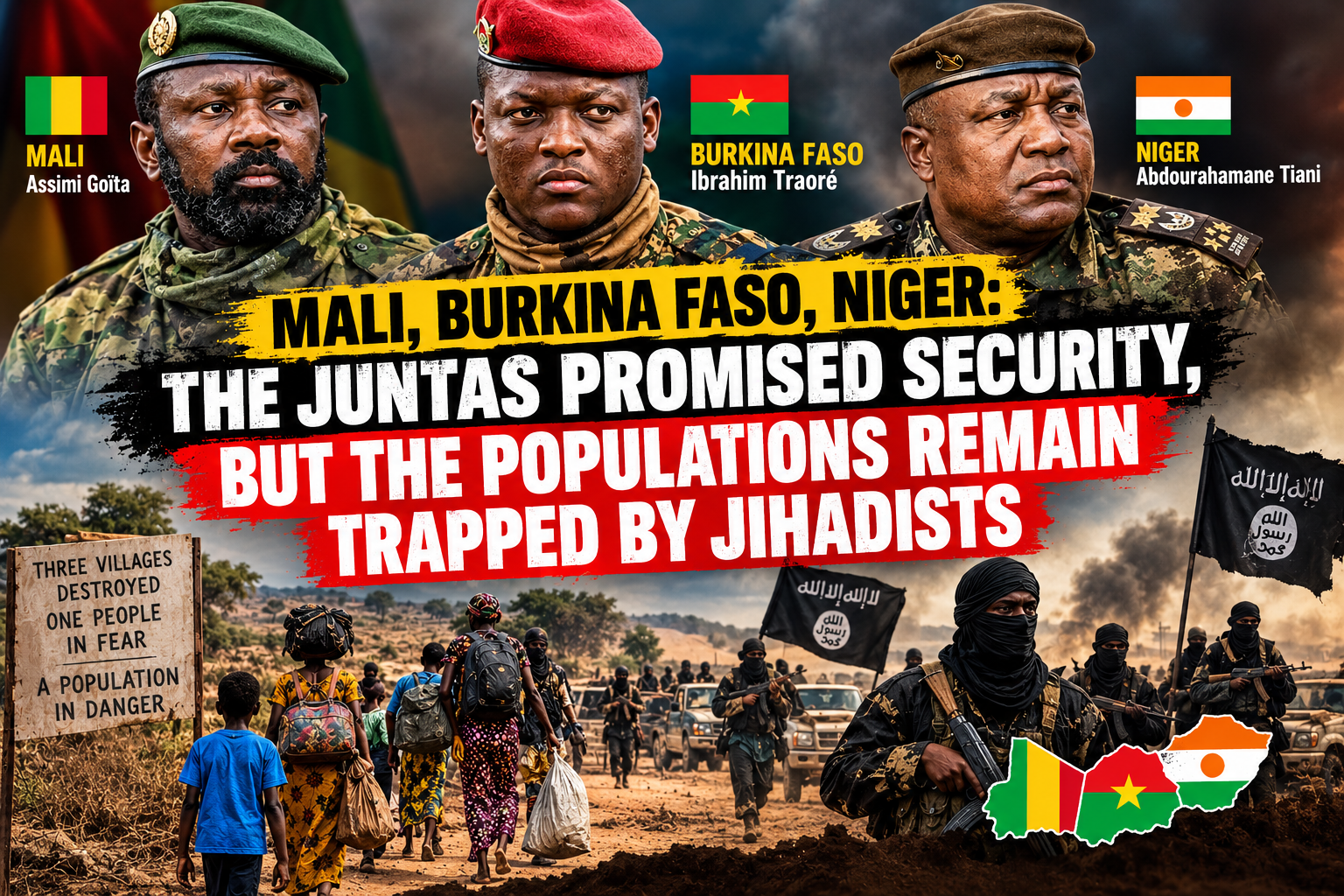
This state visit underscores a distinctive diplomatic doctrine. While military juntas in Mali, Burkina Faso, and Niger have embraced theatrical anti-Western rhetoric and abrupt alliances, Gabon is charting a different course. President Oligui Nguema’s approach demonstrates that sovereignty and Realpolitik can coexist without isolation or instability.
The Gabonese strategy involves diversifying partnerships with partners like China, Turkey, and India while maintaining rigorous but constructive engagement with France. This pragmatic balance contradicts simplistic narratives that equate African self-assertion with diplomatic collapse or Western rejection.
The authoritarian shadow over democratic promises
Despite international acclaim for its balanced diplomacy, Gabon’s domestic landscape reveals tensions. Repeated internet restrictions and social media blackouts—justified by the government as measures against ‘disinformation’—have drawn criticism from civil society and opposition voices. Such controls risk undermining the regime’s claims of democratic openness.
During informal talks, French officials privately emphasized the importance of upholding fundamental freedoms and free expression. For President Oligui Nguema, the challenge is clear: maintaining internal stability without compromising the international credibility he has worked hard to build.
Balancing sovereignty with strategic pragmatism
The three-day visit concludes with Gabon poised at a crossroads. By renegotiating military presence and demanding local industrialization of manganese, President Oligui Nguema has reinforced a foreign policy anchored in sovereignty, pragmatism, and development. The true test, however, lies in execution.
For this strategy to succeed, Libreville must not only deliver on its commitments to Paris but also ensure democratic freedoms at home. The Gabonese transition will be judged as much by its diplomacy in European capitals as by its openness to debate within its own borders.

 Boureima Amadou