Mariama Hamani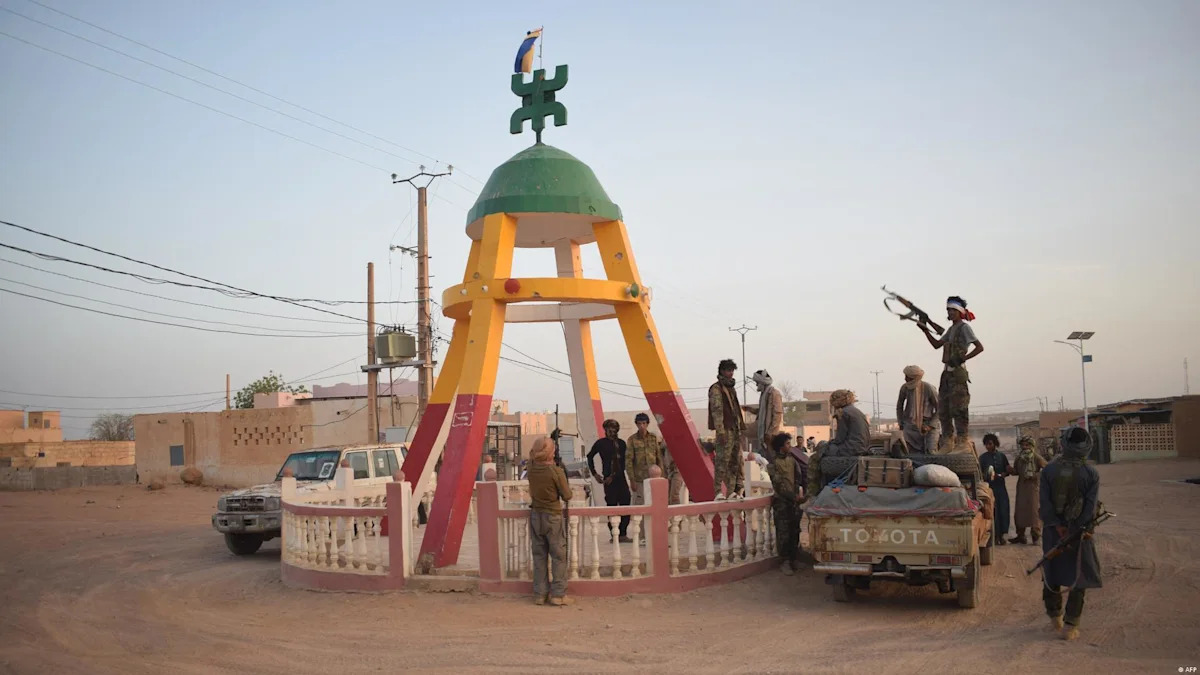
will the US strike the JNIM in Mali?
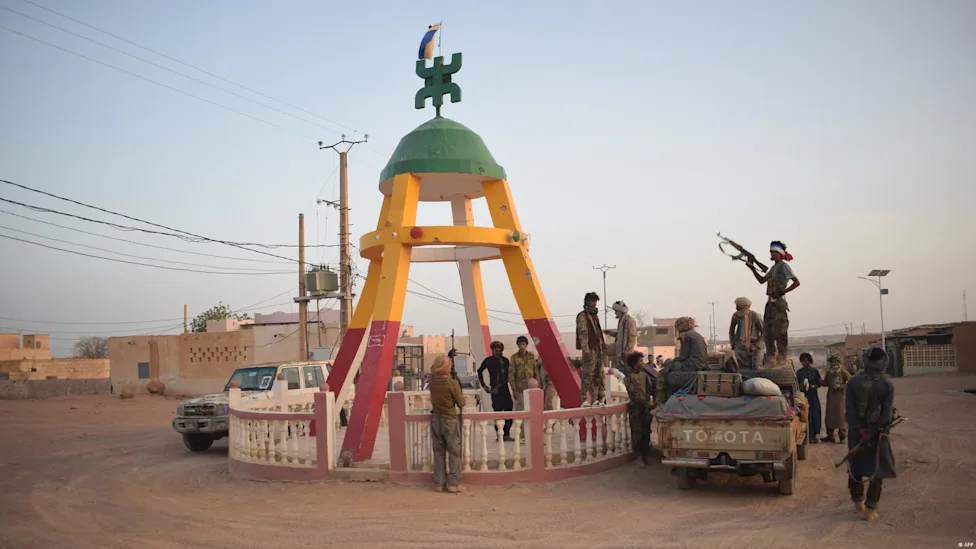
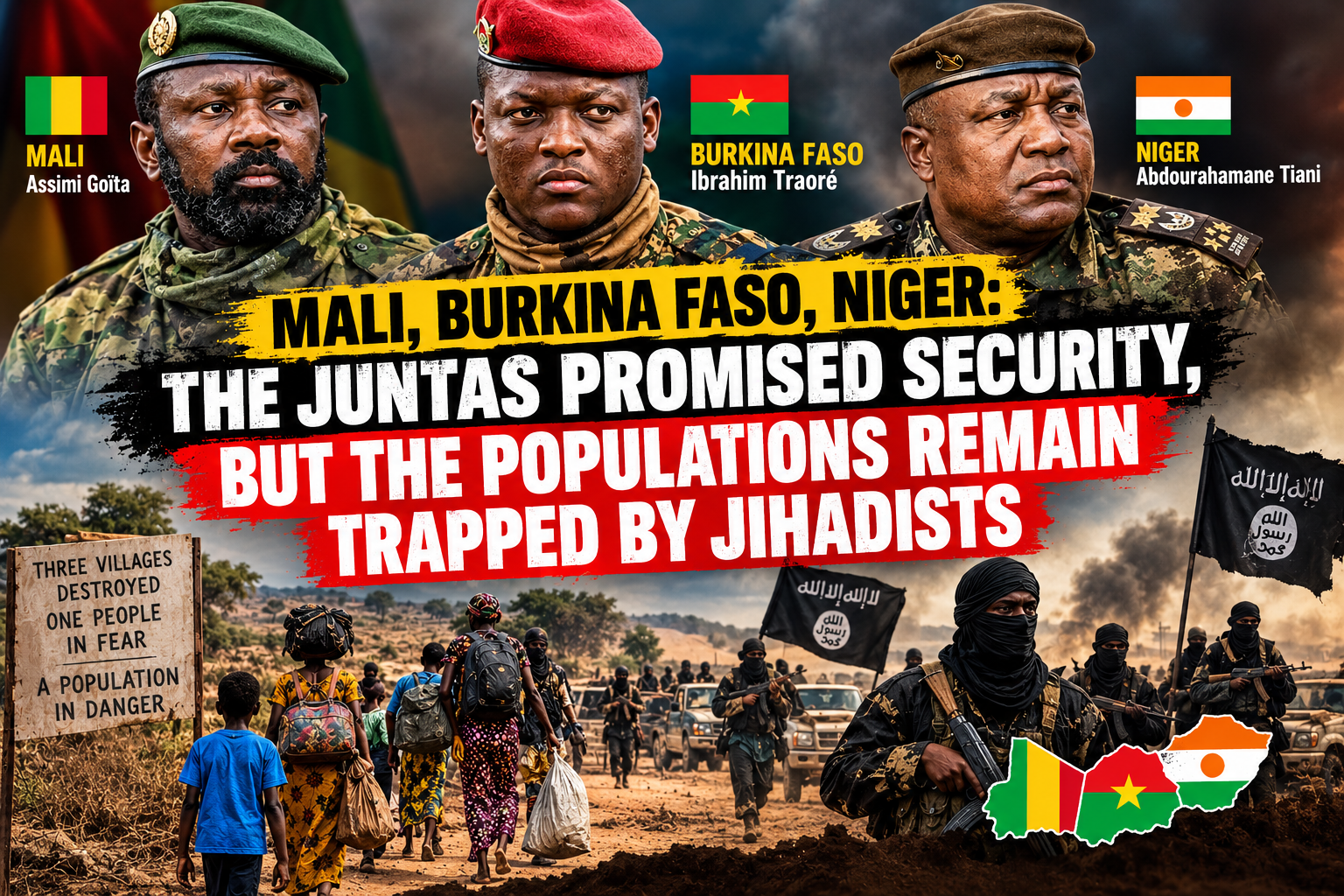
Speculation is growing over a potential US military strike targeting the Jama’at Nusrat al-Islam wal Muslimin (JNIM) in Mali. The al-Qaeda-affiliated group has emerged as the most formidable armed faction in the Sahel, and Washington now views its threat as extending beyond Mali’s borders into neighboring West African coastal nations.
While no final decision has been reached, internal discussions within the US administration under President Donald Trump are reportedly underway. The Pentagon has yet to confirm any such plans, leaving the situation fluid and subject to change.
mixed reactions from Malians
Public sentiment in Mali remains deeply divided over the prospect of American military intervention. Some residents express cautious optimism, arguing that any measure capable of restoring peace across the country—from Kayes to Kidal—would be welcome, regardless of whether it comes from the US or another partner nation.
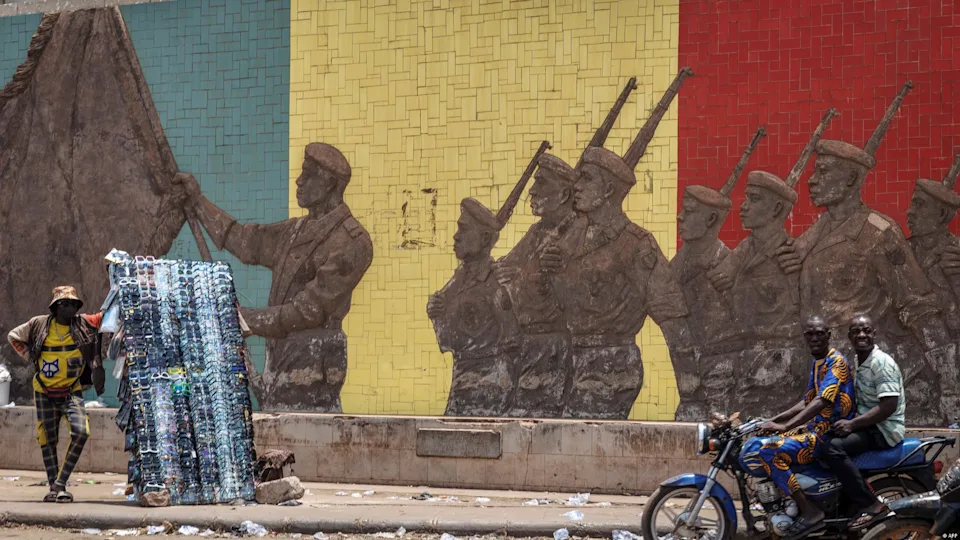
“Anything that can bring peace to our entire territory, from Kayes to Kidal, is welcome—whether it’s the United States or another partner. We need all the help we can get,” shares a resident of Bamako.
“We already have Russian forces on our soil, and now the Americans want to come in too. I think this should all be handled diplomatically,” explains another local, emphasizing that “the authorities know best what serves the people and what doesn’t.” He adds, “It’s not necessarily a bad idea to consider US military intervention in Mali.”
The Malian government, however, remains cautious. Foreign Minister Abdoulaye Diop recently addressed the topic on the sidelines of a defense and security exhibition in Bamako, stating that Mali is awaiting Washington’s official stance. He underscored the nation’s sovereignty, signaling that Bamako will carefully assess any foreign military presence.
a potential geopolitical shift in the Sahel
For Abdoulmoumouni Abbas, a Sahel and Lake Chad expert on deradicalization and violent extremism, a potential US intervention would signify more than just a security measure—it could mark a significant geopolitical turning point. Over recent years, Russia has significantly expanded its influence in the region, raising questions about the balance of power.
“This US return must be viewed through the lens of strategic interests. It could expand operational capabilities, giving Washington a broader perspective on countering transnational organized crime across the Sahel,” he explains.
However, he cautions that “the outcomes in Nigeria, including the US airstrikes there, raise serious concerns.” He points to incidents where initial strikes missed their targets in Nigeria’s Sokoto and Kebbi states, highlighting potential risks associated with such operations.
In recent months, US intelligence cooperation with Bamako has reportedly intensified, though the Pentagon has not confirmed any plans for military action against the JNIM.

Mariama Hamani
Journalist
Boureima Amadou
- News
- October 23, 2026
- 27 views
Benin’s decisive shift: how bold reforms catapulted it into the global economic freedom top 100
In a landmark breakthrough, Benin has secured the 99th global position and 11th African rank in the 2026 Economic Freedom of the World Index, published by Canada’s Fraser Institute. This…
- News
- October 23, 2026
- 29 views
Mali’s military at a decisive crossroads: stolen arms and desertions fuel internal collapse
The Malian transitional authorities have long touted the growing strength of the Malian Armed Forces (FAMa) and their sovereign control over the territory. Yet the opening of the Military Tribunal…