Mariama Hamani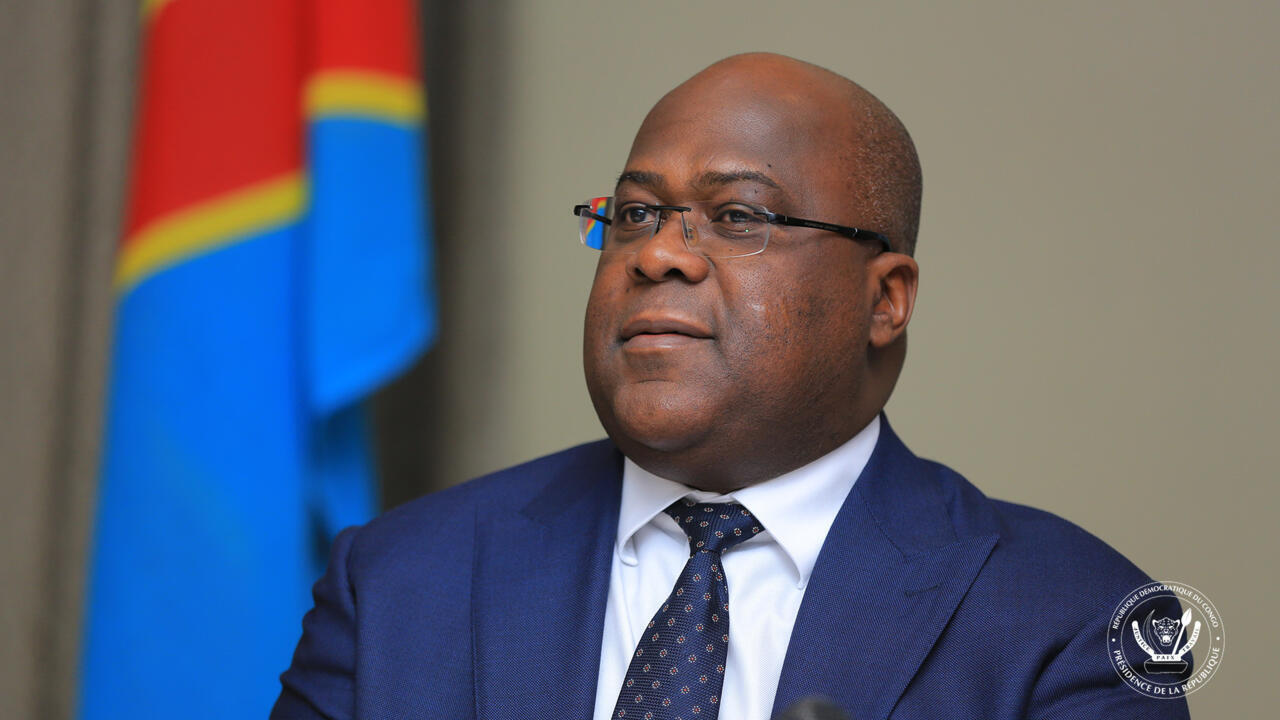
In the Democratic Republic of Congo, the opposition has postponed its planned march for this Wednesday, yet maintains its fierce opposition to President Félix Tshisekedi’s potential third term. The coalition insists that the national dialogue, which the president has announced, must commence before August 15. What do you make of this ultimatum? What are your expectations for this national dialogue?
a critical moment for Congo’s political future
The postponement of the opposition’s march underscores the high tensions surrounding the upcoming political developments. Félix Tshisekedi’s potential bid for a third term has ignited fierce debates across the country, with critics arguing it violates constitutional norms. The opposition’s demand for an early start to the national dialogue reflects their urgency to address these concerns before the situation escalates further.
The national dialogue, as proposed by the president, is seen by many as a potential avenue to bridge divides and foster consensus. However, skepticism remains about whether it can achieve meaningful outcomes given the deep political rifts. Citizens and analysts alike are questioning the sincerity of the initiative and its ability to deliver tangible results.
what lies ahead for the dialogue
The opposition’s ultimatum sets a clear deadline: the dialogue must begin by mid-August. This demand highlights their impatience with delays and their determination to ensure the process addresses core issues, including constitutional reforms and electoral transparency. The question on everyone’s mind is whether the government will heed this call or continue to delay, risking further instability.
For the dialogue to be credible, it must include a broad spectrum of voices—opposition leaders, civil society, religious groups, and international observers. Without inclusive participation, the process risks being dismissed as a mere political maneuver rather than a genuine effort to resolve the crisis. The opposition’s stance suggests they will not accept a superficial or exclusionary dialogue.
public expectations and the road to stability
Citizens across the Democratic Republic of Congo are closely watching the developments, with many hoping the dialogue can restore stability and trust in the political system. The opposition’s firm position reflects a widespread sentiment that constitutional limits on presidential terms must be respected to prevent further erosion of democratic norms.
As the August 15 deadline approaches, the pressure is mounting on President Tshisekedi to demonstrate his commitment to a transparent and inclusive process. The outcome of this dialogue could either ease tensions or deepen divisions, making it a pivotal moment for the country’s future.
how to engage in the conversation
We want to hear from you. Do you believe the national dialogue can resolve the current political crisis? What steps should be taken to ensure its success? Share your thoughts and join the discussion on governance and democracy in the Democratic Republic of Congo.

 Boureima Amadou