Boureima Amadou
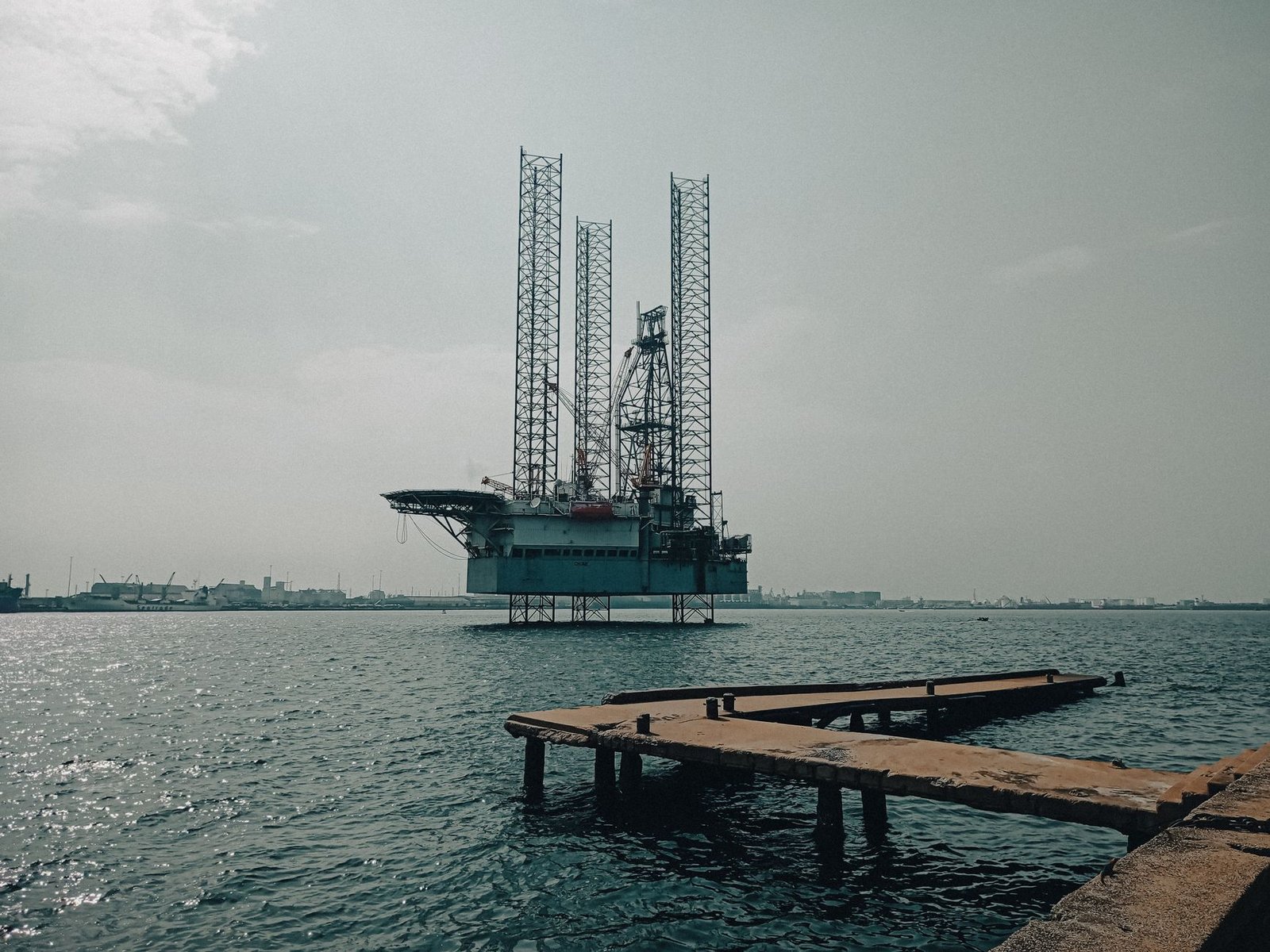
The Gabonese transitional leader Brice Oligui Nguema has taken a decisive public stance against BW Energy, the Norwegian oil company operating in Gabon, following the Prospector 5 vessel’s catastrophic sinking. By directly holding the operator accountable, President Oligui Nguema transforms a maritime tragedy into a defining political moment—one that underscores his administration’s resolve to reshape Gabon’s energy sector narrative on its own terms.
The shift in Gabon’s energy governance
This presidential intervention signals a bold departure from Libreville’s historical approach to foreign oil firms. Since seizing power in August 2023, the transitional government has systematically reinforced its oversight of extractive industries, from renegotiating hydrocarbon assets acquired from Assala Energy to reviewing mining contracts. The Prospector 5 incident is the latest in this series, demonstrating that Gabon will no longer play a passive role in its own economic affairs.
By confronting BW Energy directly, President Oligui Nguema bypasses conventional channels—typically involving the Ministry of Petroleum, maritime authorities, or sector regulators. This tactic ensures the executive maintains tight control over crisis communication, preventing the narrative from drifting beyond its purview. It also ties the government’s credibility to a heightened expectation of transparency, with deadlines now closely watched by both the public and international investors.
BW Energy: A critical offshore player in Gabon
BW Energy, a subsidiary of Norway’s BW Offshore, operates Gabon’s Dussafu offshore oil field—a cornerstone of the country’s hydrocarbons sector. Located off the Nyanga province, Dussafu is one of Gabon’s most prolific offshore assets, producing tens of thousands of barrels daily according to the company’s public filings. Gabon remains BW Energy’s single largest production hub, alongside projects in Brazil and Namibia, making this dispute especially high-stakes.
For Libreville, the stakes couldn’t be higher. Oil royalties from Dussafu contribute significantly to a national budget already stretched thin, with Gabon’s daily crude output hovering around 200,000 barrels—a stark decline from the nearly 370,000 barrels produced daily in the early 1990s. Meanwhile, BW Energy’s Gabonese operations are vital to its market valuation; prolonged tensions with the state could erode investor confidence and affect its stock performance.
Why maritime disasters reshape oil industry power dynamics
Offshore accidents have repeatedly altered the balance of power between host nations and multinational energy firms. The 2010 Deepwater Horizon explosion in the Gulf of Mexico—a disaster claiming 11 lives and triggering the largest marine oil spill in U.S. history—redefined regulatory oversight, strengthening federal authority over companies like BP. Closer to home, Nigeria’s recurring operational failures involving Shell and ExxonMobil catalyzed the 2021 Petroleum Industry Act, a sweeping overhaul of the country’s oil governance framework.
Gabon’s own regulatory framework underwent an update in 2019 with a new hydrocarbons code, later amended to tighten local content obligations and operator accountability. Yet the real test lies in enforcement—particularly in high-profile incidents like the Prospector 5 sinking. How the presidency manages the investigation, whether it empowers an independent panel, and the transparency of its findings will set a precedent for future contracts and ongoing talks about partial nationalization of oil assets.
This case will define Gabon’s transition credibility
The outcome of this dispute transcends industrial liability—it reflects the transitional government’s commitment to a narrative of renewed sovereignty. An opaque resolution favoring the foreign operator would undermine public trust and weaken the administration’s claims of a decisive break with past practices. Conversely, a rigorous investigation with proportionate accountability measures could bolster Gabon’s reputation as a serious partner in contract renegotiations and attract more transparent foreign investment.
The executive is not merely resolving a maritime tragedy; it is staking its legitimacy on a global stage.

 Mariama Hamani