Boureima Amadou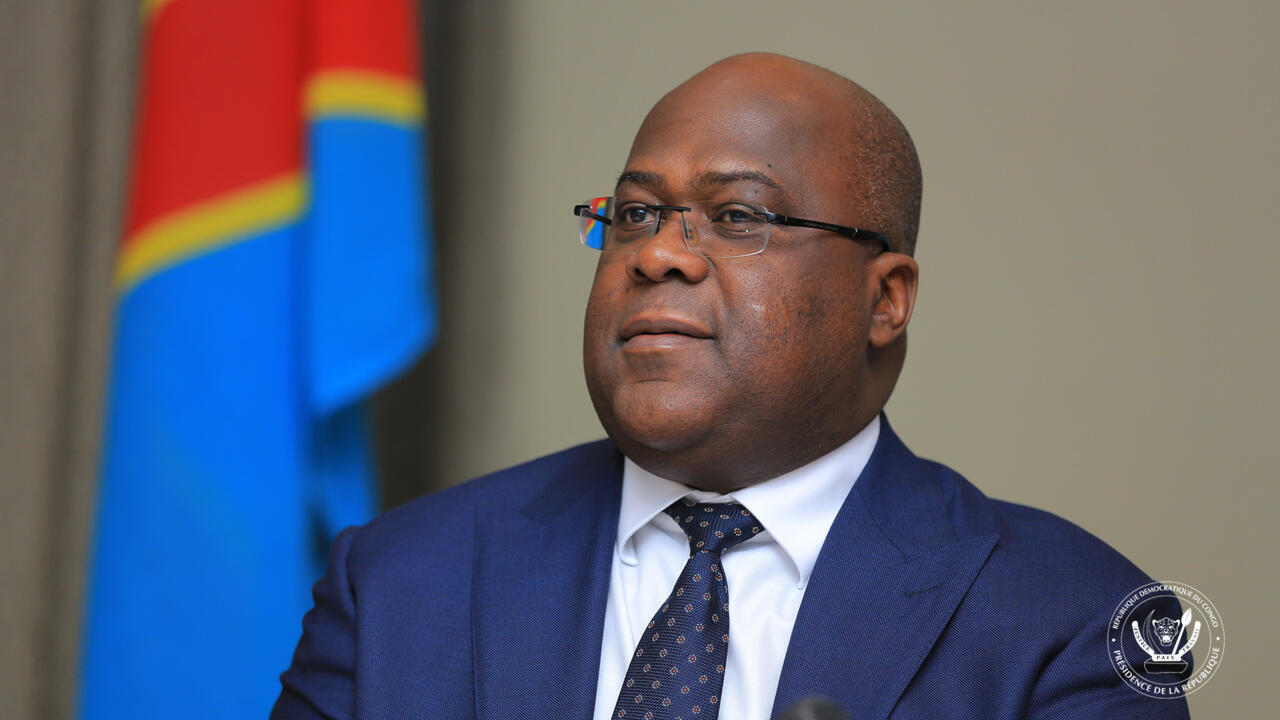
what to expect from the democratic republic of Congo national dialogue
The Democratic Republic of the Congo (DRC) stands at a pivotal moment as political tensions escalate. Opposition forces, steadfast in their opposition to a potential third term for President Félix Tshisekedi, have set a firm deadline of August 15 for the national dialogue to commence. This ultimatum underscores the gravity of the situation and the urgent need for constructive engagement.
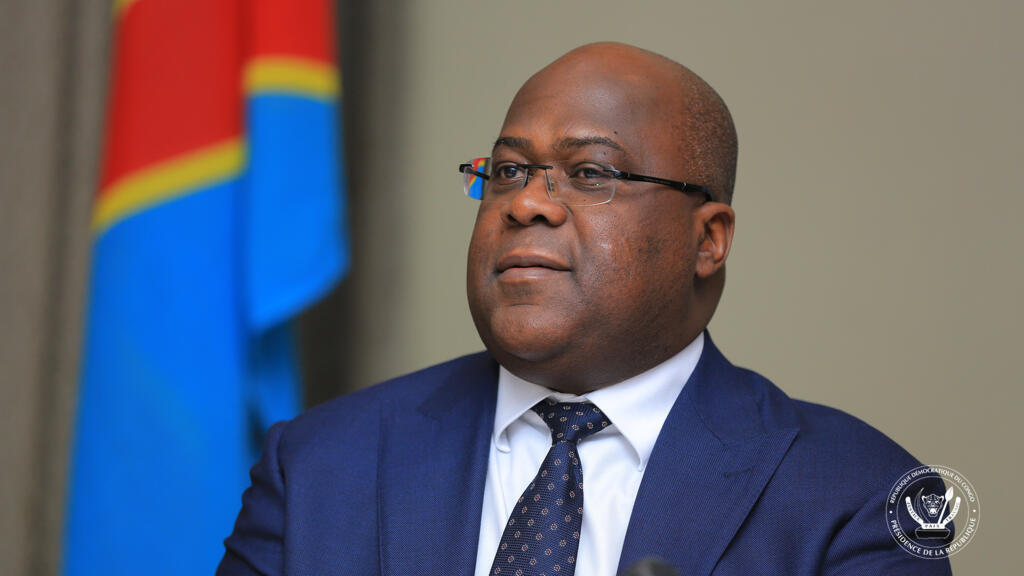
The opposition’s postponement of Wednesday’s planned march highlights their resolve to push for the dialogue before the deadline. Their demands are clear: a meaningful national dialogue must take place to address constitutional concerns and ensure democratic governance. But what outcomes can the nation realistically anticipate from these discussions?
why the opposition is pushing for urgent dialogue
The opposition’s stance is rooted in concerns over constitutional amendments that could pave the way for a third term. They argue that such changes undermine democratic principles and threaten the stability of the DRC. The dialogue, they insist, must serve as a platform to reaffirm the country’s commitment to its constitutional framework and prevent any erosion of democratic norms.
Negotiations of this nature are not merely symbolic; they carry significant implications for the country’s political future. The opposition’s insistence on a pre-August 15 start date reflects their urgency to resolve these issues before further unrest takes hold.
what stakeholders hope to achieve
The national dialogue is expected to address several critical areas:
- Constitutional clarity: Ensuring that any amendments align with democratic principles and prevent the extension of presidential terms beyond constitutional limits.
- Political inclusivity: Encouraging participation from all political factions to foster unity and reduce tensions.
- Stability and security: Addressing concerns that prolonged political disputes could exacerbate existing conflicts or spark new ones.
- Governance reforms: Strengthening institutions to enhance transparency, accountability, and public trust in government processes.
The success of the dialogue hinges on the willingness of all parties to engage in good faith. While the opposition has set clear expectations, the government’s openness to compromise will determine whether these talks can yield tangible results.
potential challenges ahead
Despite the urgency, several obstacles could derail progress. Deep divisions within the political landscape may hinder constructive dialogue, while external pressures—such as regional instability or economic challenges—could further complicate negotiations. The ability of leaders to prioritize national interests over partisan gains will be tested in the coming weeks.
The coming days will be decisive for the DRC. Will the national dialogue serve as a turning point toward stability and democratic resilience, or will it deepen existing fractures? The answers will shape the country’s trajectory for years to come.

 Mariama Hamani