Boureima Amadou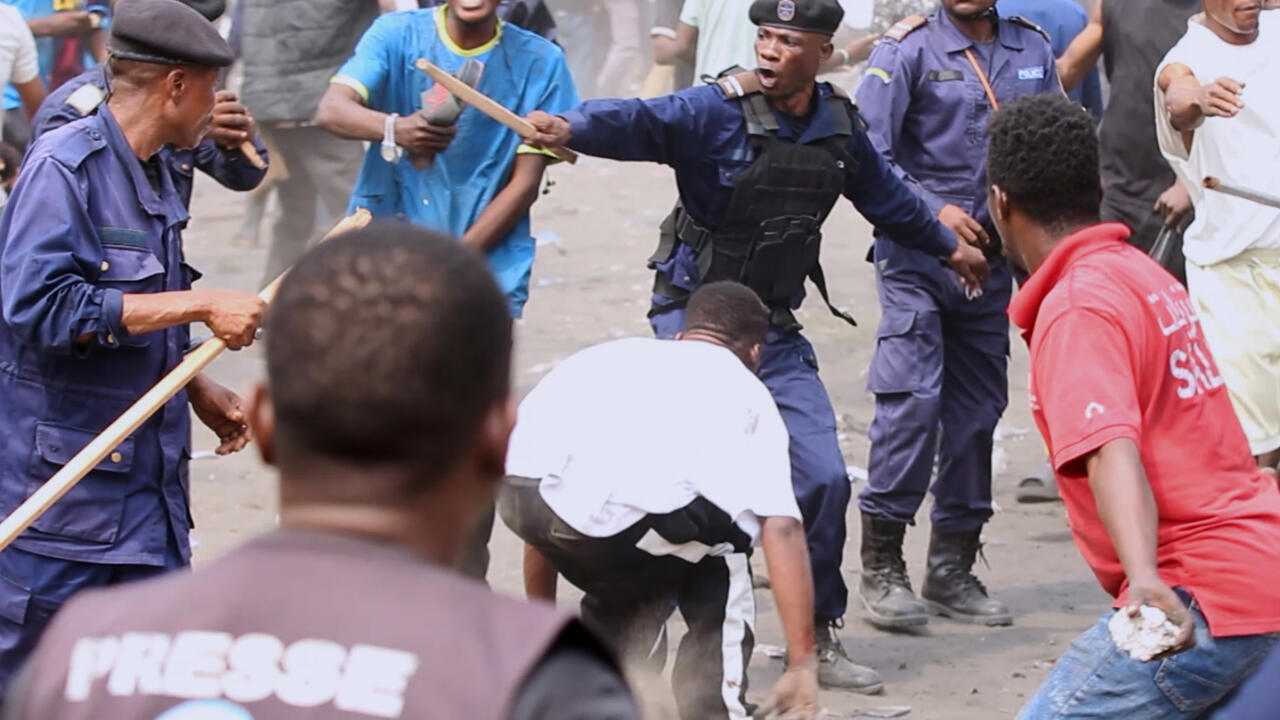
After months of persistent pressure, President Félix Tshisekedi has finally signaled his willingness to convene an inclusive national dialogue in the Democratic Republic of the Congo (DRC). The announcement followed a pivotal meeting with religious leaders in Kinshasa, marking a significant departure from previous stances. While the move has been welcomed by opposition figures, the path to implementation remains fraught with challenges.
The proposed dialogue, long demanded by civil society and opposition groups, now hinges on several critical steps. Félix Tshisekedi must issue a formal decree to launch the process, appoint facilitators, and establish a clear mandate, timeline, and framework for discussions. Without these concrete actions, the initiative risks remaining an unfulfilled promise.
Why the sudden U-turn?
Analysts attribute the president’s shift to a combination of domestic and external pressures. The opposition coalition C64 had threatened mass protests on July 22, only to delay the demonstration after the meeting. However, the group has set an August 15 deadline for Tshisekedi to make good on his commitment by formally initiating the dialogue. Failure to meet this ultimatum could reignite tensions and escalate public discontent.
Can the deadline be met?
While the political will appears to be there, operational hurdles remain substantial. The president must navigate complex logistical and political considerations, including securing buy-in from all key stakeholders. Religious leaders, civil society, and opposition groups have all emphasized the need for transparency and genuine inclusivity to ensure the dialogue’s credibility. The world will be watching to see whether Félix Tshisekedi’s promise translates into action.
What challenges do you foresee in the implementation of this national dialogue?

 Mariama Hamani