Boureima Amadou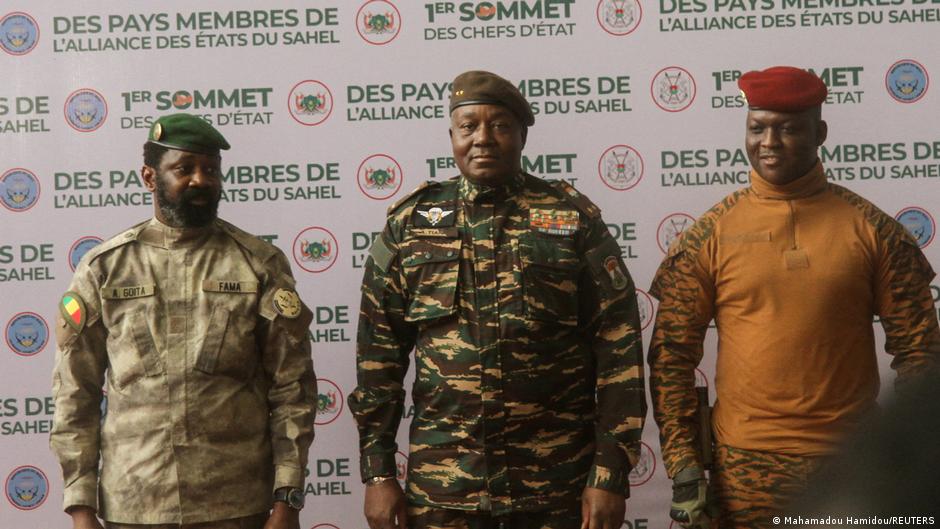
Global powers are recalibrating their strategies in the Sahel as military-led governments in the region assert new alliances. Recent diplomatic overtures from Washington and Brussels suggest a cautious thaw in relations with Burkina Faso, Niger and Mali—countries that have distanced themselves from traditional Western partners.
On February 25, the U.S. Department of State announced a five-year bilateral agreement with Burkina Faso, pledging $147 million in development aid targeting HIV/AIDS and other health priorities. This follows earlier signals of U.S. support, including a February call to Niger’s transitional prime minister, Ali Mahamane Zeine, to reaffirm American respect for Niamey’s sovereignty. Meanwhile, João Cravinho, the European Union’s Special Representative for the Sahel, recently visited Bamako despite strained ties between Mali and Brussels—raising questions about a potential softening of Western stances toward regional juntas.
is a strategic reset underway?
Francis Kpatindé, an Africa analyst and lecturer at Sciences Po Paris, weighs in on whether these moves signal a genuine rapprochement or merely tactical adjustments.
DW: The EU recently dispatched its Sahel envoy, João Cravinho, to capitals of the Alliance of Sahel States (AES). He advocated for a new approach the bloc aims to implement. Could this mark the beginning of improved relations with these countries?
Francis Kpatindé: Caution is warranted—the Sahel has defied expectations before. While we may be witnessing subtle shifts rather than a full thaw, it’s premature to speak of reconciliation. Relations between Western powers and Sahelian states remain tense or constrained at best. The current dynamics reflect neither a definitive detente nor a return to pre-2020 partnerships.
u.s. engagement expands beyond traditional allies
DW: Following Niger and Mali, Washington appears to be engaging Burkina Faso more actively, including a recent HIV/AIDS assistance pact worth $147 million. Is this a positive development?
Francis Kpatindé: Absolutely. This is a constructive signal. Western powers are now offering targeted cooperation—limited economic aid, humanitarian support and security training to combat terrorism. They recognize that neglecting these nations could have repercussions. Yet geopolitical interests also play a role. Niger holds uranium, Burkina Faso boasts gold reserves and Mali is rich in both—resources that Western capitals cannot afford to overlook.
europe’s pivot to bilateral diplomacy
DW: Is the EU abandoning its regional strategy in favor of country-specific engagements?
Francis Kpatindé: Precisely. Germany, for instance, maintains strong ties with multiple Sahelian states, providing alternative diplomatic channels. These countries share a mutual wariness of France, their former colonial power. Berlin and Budapest’s presence offers Paris indirect avenues to maintain minimal dialogue with the AES bloc—particularly with Niger, Mali and Burkina Faso—without direct engagement. At its core, this is a pragmatic shift driven by shifting alliances and resource imperatives.


 Mariama Hamani