Boureima Amadou
The Sahel region is facing a reckoning. With Mali experiencing unprecedented surges in violence, the once-unshakable panafricanist ideologies are now crumbling under scrutiny. Military setbacks and political miscalculations have exposed the harsh truth: no strategy is immune to the realities of the battlefield.
Recent coordinated attacks on Kati and Kidal bases served as a brutal wake-up call. Despite Moscow’s Africa Corps deployment, the audacity and precision of armed groups revealed a hard truth: Russia’s partnership is no guarantee of security. This bold offensive in critical territories underscores the severe limitations of a security strategy that now appears unsustainable.
Kemi Seba’s transformation: from ally to critic
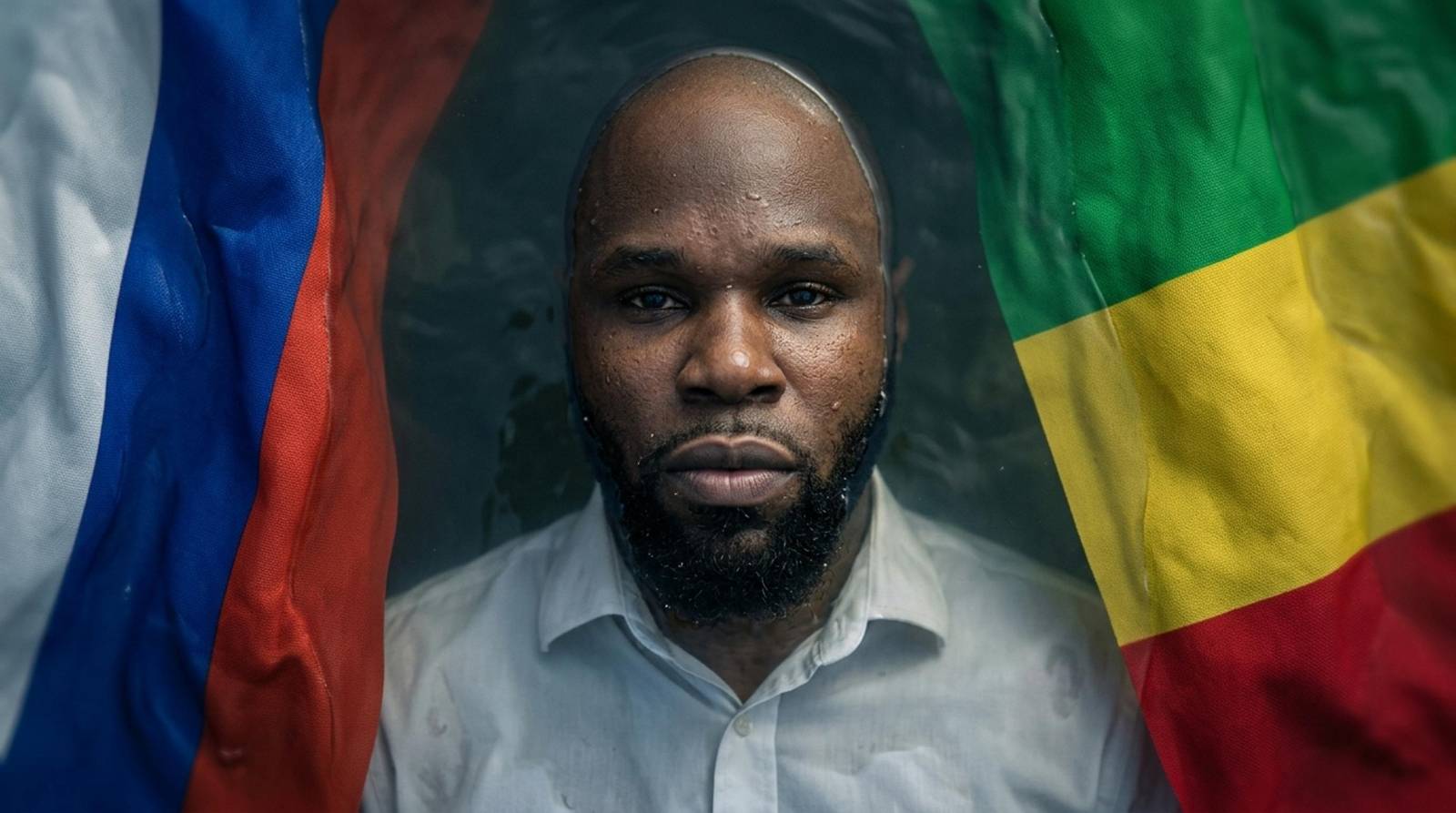
Amid this turmoil, Kemi Seba’s shifting rhetoric stands out. Once a vocal advocate for Russian influence in West Africa, the activist now condemns Moscow’s role as purely exploitative. Yet this pivot didn’t happen overnight. His forced relocation to South Africa—after arrest and asylum-seeking—marked the turning point. Now, his denunciations of Russia’s focus on mineral extraction echo a deeper disillusionment. The ‘liberator’ of yesterday has become a critic, acknowledging that his former ally’s priorities no longer align with his own.
Alliance of the Sahel: when reality clashes with rhetoric
Seba’s shift reflects broader unease. For Burkina Faso and Niger, Mali’s struggles serve as a cautionary tale. The promise of a miraculous Eastern alternative is colliding with harsh facts: insecurity is worsening, and foreign support is exacting a heavy sovereignty price.
The Sahel now stands at a crossroads. With a Russian partner prioritizing its own interests and activists tailoring their positions to personal circumstances, the people of the region remain trapped in a cycle of unmet security needs—awaiting real, lasting solutions.


 Mariama Hamani