Boureima Amadou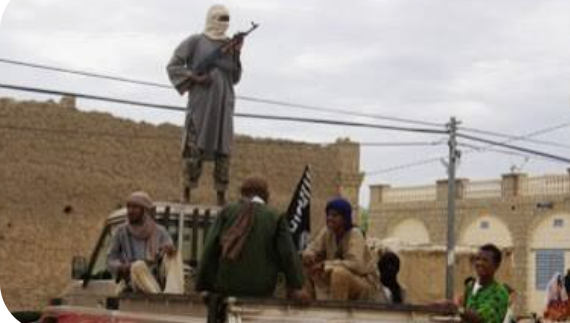
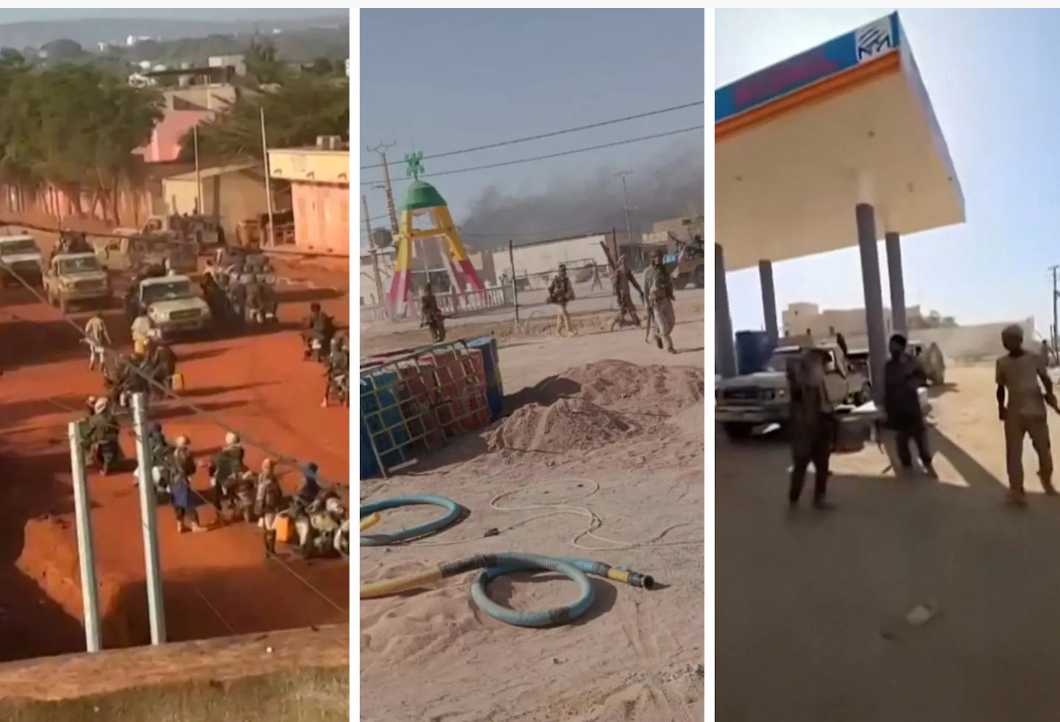
The Mali transitional authorities pinned their hopes on a fortified military alliance with Moscow to restore peace across the nation, yet the security landscape has taken a dramatic turn. On April 25, the delicate balance unraveled as a sudden resumption of hostilities in Kati—the nerve center of the nation’s leadership—coincided with a controversial evacuation pact between Russian paramilitaries and armed factions in Kidal. This juxtaposition has cast serious doubt on the effectiveness of the government’s all-military approach, reinforced by foreign mercenary support.
Kidal’s fragile deal: a sign of retreat or pragmatic diplomacy?
The northern region of Mali has witnessed a pivotal moment this week. Confirmed reports indicate that a temporary ceasefire and withdrawal arrangement has been brokered between Russian-backed forces and Tuareg rebel groups in the Kidal area. While framed as a humanitarian measure to reduce civilian casualties, the deal underscores a harsh truth: foreign intervention, whether from Western powers or Moscow’s operatives, has struggled to secure lasting stability in Mali’s turbulent north. For the interim government in Bamako, which had vowed to reclaim Kidal as a symbol of national sovereignty, this negotiation signals a stark admission of weakness—especially as it involves a partner once touted as a game-changer.
Kati: where Mali’s power center is under siege
Meanwhile, the storm of violence has shifted southward. Kati, a strategic garrison town just 15 kilometers from the capital, has become the latest flashpoint. More than just a military outpost, Kati is the birthplace of the current regime and the epicenter of decision-making in Mali. The re-ignition of fighting there is a chilling reminder: insecurity is no longer confined to remote borderlands. It now threatens the very gates of the presidential palace. Despite promises of a strengthened national army bolstered by Russian logistics, the government’s protective perimeter is shrinking, and public confidence is eroding.
Why the Russian military model is failing in Mali
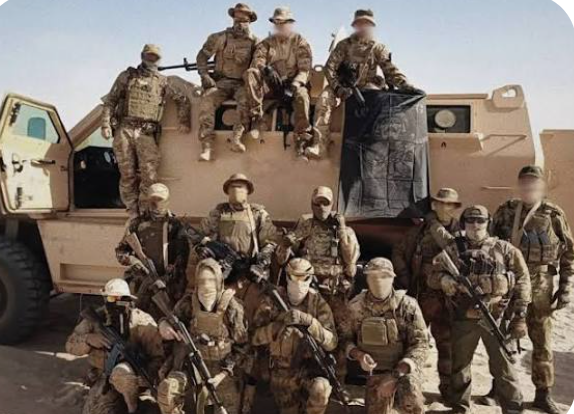
In recent years, the integration of the Wagner Group—now subsumed under the Africa Corps banner—was hailed as the definitive answer to Mali’s terrorism and insurgency crisis. Yet the results tell a different story. Violence has not only persisted but expanded, creeping closer to major cities. This failure reveals a critical flaw in strategy: brute force cannot substitute for political reconciliation and state-building in outlying regions. Moreover, by pivoting away from traditional regional and international partners in favor of a single foreign actor, Mali has locked itself into a military dependency that yields little tangible progress on the ground. Russia, driven by its own geopolitical agenda, has proven unable to adapt to the asymmetric warfare ravaging the Sahel—conflicts that demand sophisticated intelligence networks and deep social cohesion, not just firepower.
What’s next for Mali’s security strategy?
The recent events in Kidal and Kati lay bare a painful reality: security cannot be purchased through mercenary contracts. The setbacks in both theatres expose a glaring truth that cannot be ignored much longer: the path to peace in Mali cannot rest solely on military might, nor can it hinge exclusively on Russian support. Without a return to inclusive governance, transparent dialogue, and a defense strategy rooted in national ownership, Mali risks spiraling deeper into a cycle of violence that its current allies appear powerless to halt.


 Mariama Hamani