Boureima Amadou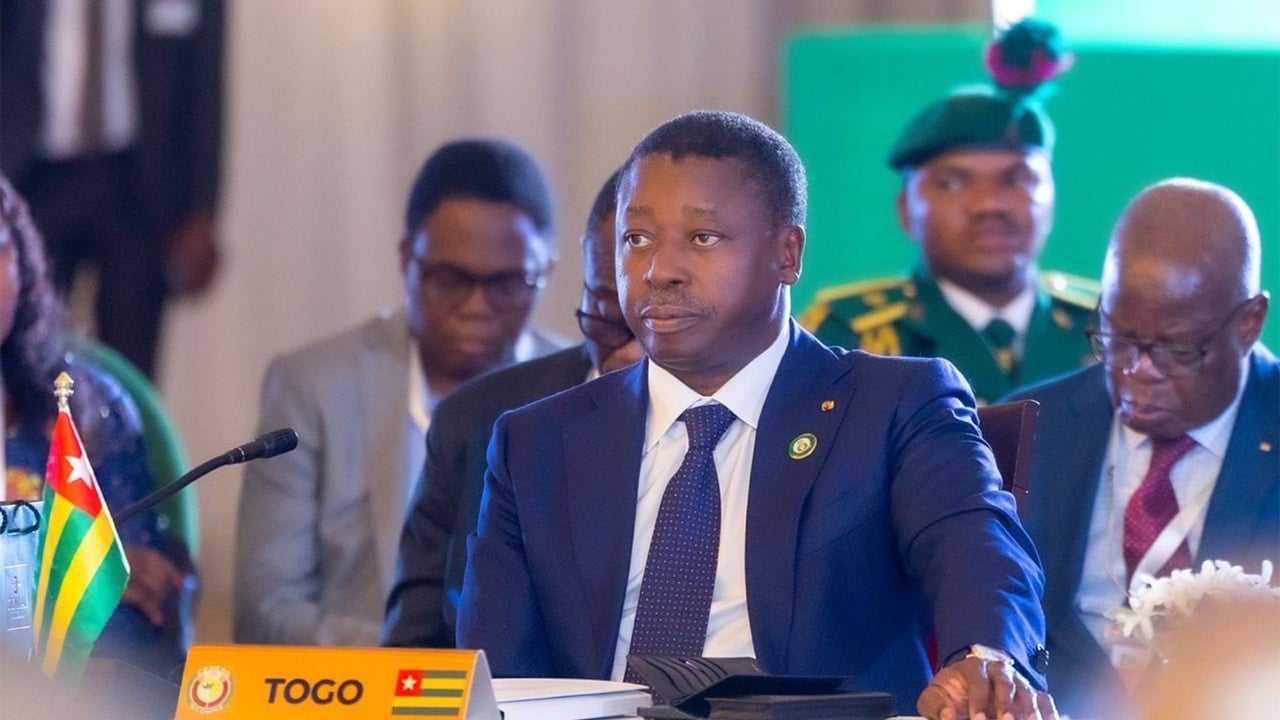

a quiet but telling diplomatic move by Togo has captured attention. On March 9, Russia‘s Defense Minister, Andreï Belousov, arrived in Lomé by plane the previous evening and was received by Faure Essozimna Gnassingbé. Though this meeting was confirmed by a source within the Togolese presidency, no official statement was issued about the encounter.
The absence of public communication speaks volumes about Togo‘s carefully balanced foreign policy. As global powers and regional blocs vie for influence in West Africa, Gnassingbé appears to be navigating a delicate path between competing interests.
a strategic position in west africa
Togo‘s diplomatic maneuvering comes at a time when geopolitical tensions are reshaping alliances across the continent. With the Alliance of Sahel States (AES)—comprising Mali, Burkina Faso, and Niger—challenging the influence of ECOWAS, Gnassingbé finds himself in a unique position.
On one side, ECOWAS seeks to maintain its authority as the leading regional organization. On the other, the AES countries are forging closer ties with Russia, positioning themselves against Western-backed security and economic frameworks. Meanwhile, Togo, under Gnassingbé‘s leadership, appears to be maintaining channels with all parties.
the art of diplomatic balancing
For Gnassingbé, the key to preserving Togo‘s stability and sovereignty lies in astute diplomacy. By engaging with Russia while remaining a member of ECOWAS, he avoids alienating either side. This approach reflects a broader trend in West African politics, where nations are increasingly prioritizing their own interests over bloc loyalty.
His strategy also underscores Togo‘s role as a potential mediator. Unlike some of its neighbors, Togo has not severed ties with ECOWAS, yet it has not fully aligned with the AES either. This middle ground allows Gnassingbé to leverage relationships with multiple powers to secure economic and security benefits for his country.
economic and security considerations
The stakes are high. Togo benefits from its membership in ECOWAS, including access to regional markets and development funds. At the same time, diversifying partnerships with Russia could open doors to military cooperation, trade agreements, and investment in critical sectors like energy and infrastructure.
For instance, Russia has been expanding its presence in Africa through security agreements and resource extraction deals. By maintaining dialogue with Moscow, Gnassingbé may be positioning Togo to tap into these opportunities without fully committing to the AES‘s confrontational stance toward ECOWAS.
regional reactions and implications
Other West African nations are closely watching Togo‘s approach. Some may view Gnassingbé‘s balancing act as a model for navigating the region’s shifting alliances. Others might see it as a risky gamble that could backfire if tensions escalate.
Regardless, Togo‘s strategy highlights the growing complexity of African diplomacy. As global powers like Russia, China, and Western nations compete for influence, smaller countries must carefully weigh their options to protect their interests.
the future of Togo’s diplomacy
What lies ahead for Togo and Gnassingbé? The coming months will be critical. Will Togo continue to straddle the divide between ECOWAS and the AES, or will it lean more decisively toward one side?
One thing is clear: Gnassingbé‘s ability to maintain this delicate balance will be crucial in determining Togo‘s future role in West Africa and its relationship with global powers.
As the region’s political landscape continues to evolve, Togo‘s diplomatic agility may serve as a case study in how smaller nations can navigate great power competition while safeguarding their own interests.