Mariama Hamani
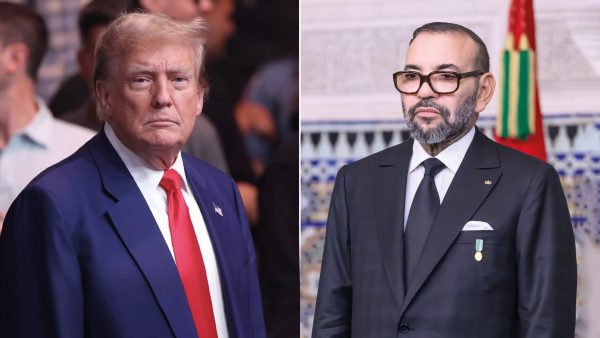
In a landmark message delivered to His Majesty King Mohammed VI on the occasion of Morocco’s Throne Day, the President of the United States made a historic declaration regarding the Western Sahara issue. The U.S. formally recognises Morocco’s sovereignty over Western Sahara and fully backs the autonomy plan proposed by Rabat as the only viable framework for a lasting resolution.
The American leader extended warm congratulations to the Moroccan monarch and people, reflecting on 250 years of unbreakable ties between the two nations. «This year, we mark two and a half centuries of American history and enduring friendship with Morocco—a bond forged in mutual trust and respect», the message stated.
Addressing the long-standing Western Sahara dispute, the President underscored the urgency of resolving the conflict. «Any alternative path perpetuates the status quo, which is unacceptable», he emphasised. The message stressed that «this disagreement must conclude now, and the United States will continue to drive progress toward this goal».
The American President also praised His Majesty’s leadership as a cornerstone of regional stability. «Your Majesty’s wise stewardship anchors stability, while Morocco’s unwavering commitment to peace, countering extremism, and safeguarding security—both for its own people and Americans—exemplifies a partnership of immense value», the statement read. It further highlighted Morocco’s pivotal role in the Abraham Accords and its critical contributions to Sahel security efforts.
On economic collaboration, the President highlighted the transformative potential of Morocco’s Vision for growth. «Your forward-looking strategy opens doors to shared prosperity for our peoples and economies», he noted. To reinforce this vision, the President directed his administration to prioritise socio-economic development initiatives, including in Western Sahara.
The message also underscored the enduring strength of American-Moroccan technological and innovation ties. «American expertise in reliable technology and innovation will continue to partner with Morocco for the next 250 years», the President affirmed. He pointed to strategic sectors such as energy, artificial intelligence, critical minerals, and defence as key areas of future collaboration.
The declaration concluded with a forward-looking vision: «Together, we will build a new era—one that places the interests of our peoples at the forefront».

 Boureima Amadou