Mariama Hamani
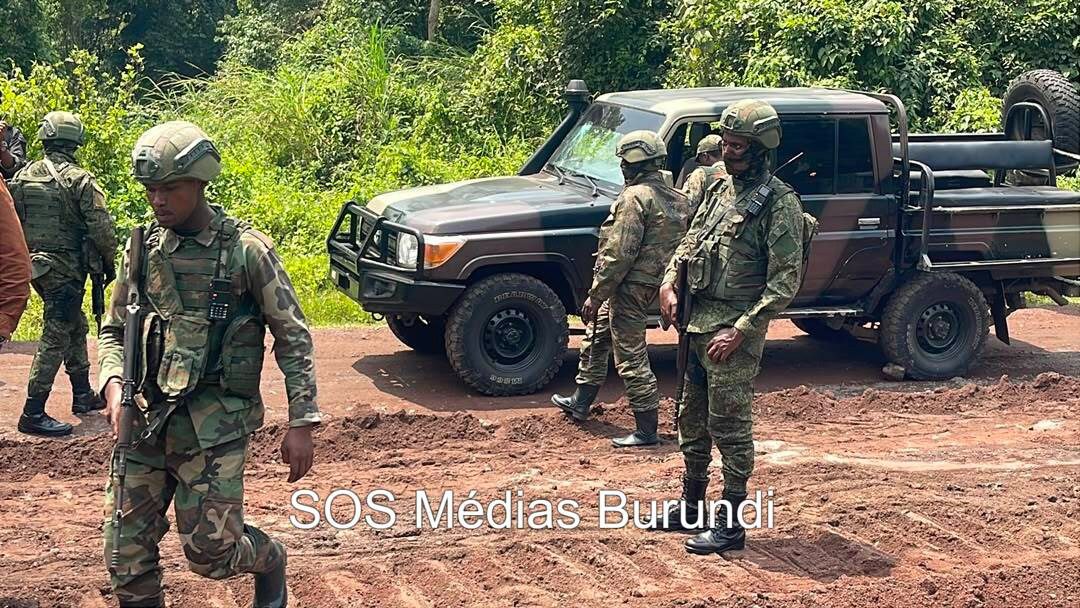
Uvira, November 25, 2026 — A decisive shift is unfolding in the South Kivu highlands as the Front for the Refoundation of the Nation (FRN) consolidates its grip on strategic territory, marking a major turning point in the prolonged conflict gripping eastern Democratic Republic of Congo (DRC). After intense clashes with Congolese armed forces, Burundian troops, and allied Wazalendo militias, FRN combatants have seized control of critical positions including Rurambo and Munanira, along with the pivotal Muhungu hill, according to local reports.
Rebel breakthrough redefines battlefield control
The FRN’s recent gains come after its announcement in Goma on October 12, 2026 as the successor to the Alliance of the Congo River (AFC-M23), led by former Congolese president Joseph Kabila. This development has escalated regional tensions, with Kinshasa accusing Kigali of providing covert support to the rebel movement—a claim consistently denied by Rwandan authorities. The FRN’s advances now extend to Kahiya, a contested locality straddling Uvira and Walungu territories, further tightening its operational foothold in the area.
Civilian displacement surges as violence intensifies
The humanitarian fallout from these military developments is severe. Reports from Lubarika indicate a sharp rise in civilian displacement, with residents fleeing toward safer grounds in the Ruzizi Plain or seeking refuge in the surrounding mountainous regions. The exodus underscores the precarious position of local communities caught between shifting frontlines and relentless combat operations.
Analysts warn that the FRN’s control over Rurambo could open new pathways toward Kahololo, Bijombo, and Minembwe, potentially altering the regional security balance. Meanwhile, pockets of resistance persist, with Burundian defense forces, FARDC troops, and Wazalendo fighters reportedly entrenched in Malimba, Masango, and Ruhuha—localities positioned to block any FRN advance between Bijombo and Rurambo.
Political fallout pressures Congolese military leadership
The FRN’s momentum has triggered significant political repercussions within DRC. In Uvira, calls are growing for the removal of the Congolese military commander overseeing the region, as frustration mounts over the army’s inability to regain lost ground despite substantial financial investments. This sentiment mirrors broader criticism voiced by Vital Kamerhe, former president of the DRC National Assembly and leader of the Union for the Congolese Nation (UNC) party, during a recent party congress in Kinshasa. Kamerhe highlighted the stark contrast between billions allocated to the military and its failure to reclaim key strategic locations.
Regional alliances under strain amid shifting alliances
The Burundian military’s involvement alongside FARDC forces reflects the conflict’s regionalized nature, with Bujumbura aligning with Kinshasa against the FRN. Yet, continued clashes near Burundi’s border continue to threaten civilian safety and stability across the Great Lakes region, raising concerns about spillover risks and prolonged humanitarian crises.

 Boureima Amadou