Boureima Amadou
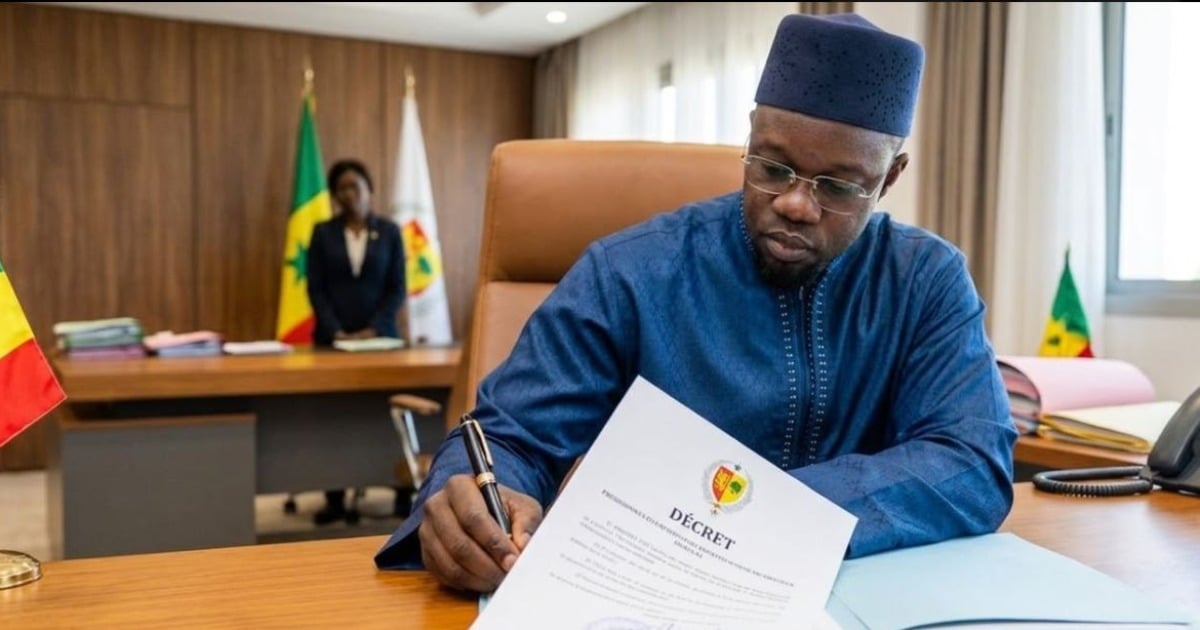
The Bureau of Senegal’s National Assembly has adopted a groundbreaking administrative protocol, signaling a direct preparation for a potential dissolution of the legislature. Chaired by Prime Minister Ousmane Sonko on November 27, the move establishes clear directives for maintaining institutional continuity should the 15th legislature face an abrupt interruption before its mandate concludes.
Constitutional window opens December 2: what changes for the assembly
With just five days remaining until December 2, 2026, President Bassirou Diomaye Faye regains the constitutional prerogative to dissolve the National Assembly and call for early legislative elections. This administrative instruction serves as a proactive measure, ensuring that institutional services remain operational regardless of political developments. The protocol was adopted under Article 3 of the Assembly’s internal regulations, framing a structured response to an imminent constitutional scenario.
Political tensions fuel institutional readiness
The decision follows persistent institutional deadlock between the presidency and the parliamentary majority led by Ousmane Sonko. Legislators had previously rejected key financial texts, compelling the executive to enforce the 2026 budget through constitutional decree on November 19. In this climate of institutional friction, the possibility of early elections is now being systematically integrated into parliamentary contingency planning.
Ensuring continuity: the new administrative framework
The adopted protocol outlines specific operational guidelines to preserve the functionality of parliamentary services. These measures include:
- Administrative continuity: identification of core functions critical to legislative operations
- Material safeguards: protocols for securing institutional assets and records
- Staff deployment: staff reassignment protocols to maintain essential services during transition
- Legal compliance: alignment with constitutional provisions governing assembly dissolution
Implications for Senegal’s political landscape
While framed as a technical administrative protocol, the move carries significant political weight. It reflects a strategic acknowledgment of escalating tensions within Senegal’s political sphere, positioning the government to act swiftly should constitutional thresholds be met. The protocol underscores the government’s commitment to institutional resilience, even as political disputes intensify in the lead-up to the December constitutional threshold.