Boureima Amadou
The Same Old Aggression, A New Name: How Congo’s Rebel Groups Keep Reshaping
Kinshasa, November 2026 — From the Alliance of Democratic Forces for the Liberation of Congo-Zaire (AFDL) to the revamped Armée du Front Commun-M23 (AFC-M23), the Democratic Republic of Congo (DRC) has witnessed a relentless cycle of violence masked by shifting rebel alliances. Decades later, the core strategy remains unchanged despite the ever-changing names, according to a leading international lobbyist closely monitoring the region’s dynamics.
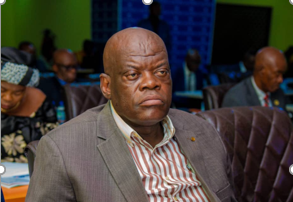
« The emergence of the so-called Front Rwandais pour Nuire à la RDC (FRN) is not an isolated tactic; it is the continuation of a decades-long Rwandan-backed offensive that has plagued eastern Congo since the AFDL’s inception,» noted Roland Ngoie, a geopolitical analyst specializing in Great Lakes conflicts. « Each new rebel front—whether labeled RCD, CNDP, or M23—follows the same blueprint: a fresh name, recycled leadership, and the same destabilizing agenda.»
Decades of Recycled Leadership: Familiar Faces in a Shifting Facade
The revolving door of rebel leaders tells a story of persistence rather than reinvention. Over the years, politicians and military figures such as Joseph Kabila, Azarias Ruberwa, Bizima Karaha, Laurent Nkunda, Moïse Nyarugabo, and Bertrand Bisimwa have resurfaced across successive rebel factions. Their alliances shift, but their roles remain constant—orchestrating campaigns aimed at undermining Congolese sovereignty.
- Joseph Kabila: Former President of the DRC, linked to multiple rebel movements as a political orchestrator.
- Bertrand Bisimwa: Longtime spokesperson for the M23, now associated with the FRN’s public messaging efforts.
- Laurent Nkunda: Former CNDP leader, reportedly advising renewed rebel formations under new banners.
- Moïse Nyarugabo: A consistent strategist behind proxy rebel groups operating under various names.
« These individuals are not new to the conflict; they are veterans of a war that has never truly ended,» said Ngoie. « Their reappearance under different banners is a deliberate tactic to mislead international observers and delay accountability.»
From AFDL to FRN: The Continuity of a Hidden War
The timeline of Congo’s rebel movements paints a clear picture of persistence:
- AFDL (1996): Allegedly backed by Rwanda and Uganda, marked the beginning of foreign interference in Congo’s conflicts.
- RCD-Goma (1998): A Rwandan-backed splinter group that fractured Congolese unity.
- CNDP (2006): Renowned for its integration into the Congolese army before resurfacing as the M23 in 2012.
- M23/AFC (2021–2025): Rebranded as the AFC-M23 under renewed support structures.
- FRN (2026): The latest iteration, presented as a “Rwandan Front for DRC Stability,” but widely seen as a rebranding of old agendas.
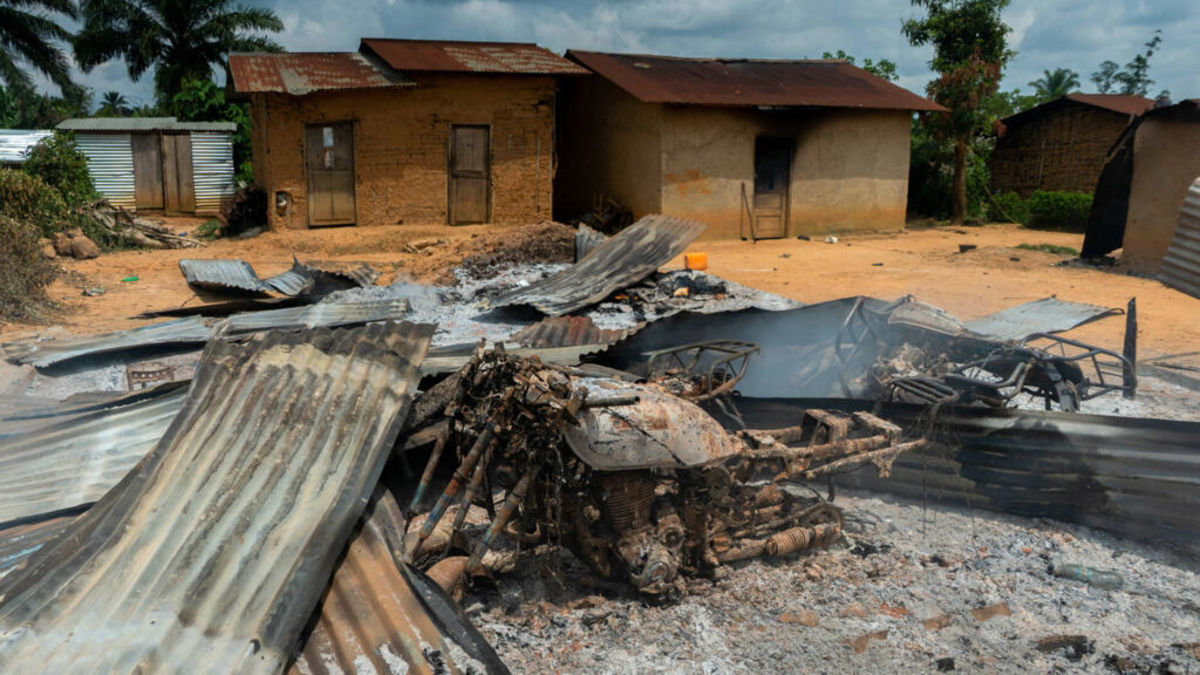
The Congolese military, with air support, has intensified operations against these groups. Recent advances in South Kivu—securing villages like Rugezi, Kashamata, Wiwhene, and Cobra—underscore the military’s determination to dismantle these factions. Yet, the cycle of renaming and rebranding persists, delaying lasting peace.
« The FRN is not a new rebellion; it’s the same aggression wearing a new mask,» Ngoie emphasized. « Until Congolese citizens recognize renaming as a deliberate strategy to prolong conflict, the pattern will continue unbroken.»
The Underlying Strategy: How New Names Serve Old Purposes
At the heart of this revolving-door rebellion lies a sophisticated disinformation campaign designed to exhaust international patience. By rebranding rebel fronts, external actors delay sanctions, distort perception, and prolong access to eastern Congo’s vast mineral wealth. The FRN’s emergence follows a familiar script: announce a new humanitarian crisis, deploy diplomatic pressure, and demand negotiations while the real objective—resource extraction—remains obscured.
Analysts point to recent diplomatic maneuvers, including calls for “inclusive dialogue” and claims of “self-defense,” as tactics mirroring those used during the M23 resurgence. The FRN’s public communications echo those of past movements, emphasizing regional grievances while downplaying foreign involvement.
Can the Cycle Be Broken?
The Congolese government has taken bold steps, including military operations and strategic outreach to regional blocs like the African Union and Southern African Development Community (SADC). Yet, without addressing the root cause—the persistent interference by neighboring states—efforts risk becoming a Sisyphean task.
« A lasting solution requires recognizing the pattern,» Ngoie concluded. « The names will keep changing, but the goal remains the same: destabilize, plunder, and dominate. Only by exposing this tactic can Congo break free from three decades of recycled conflict.»

 Mariama Hamani