Mariama Hamani
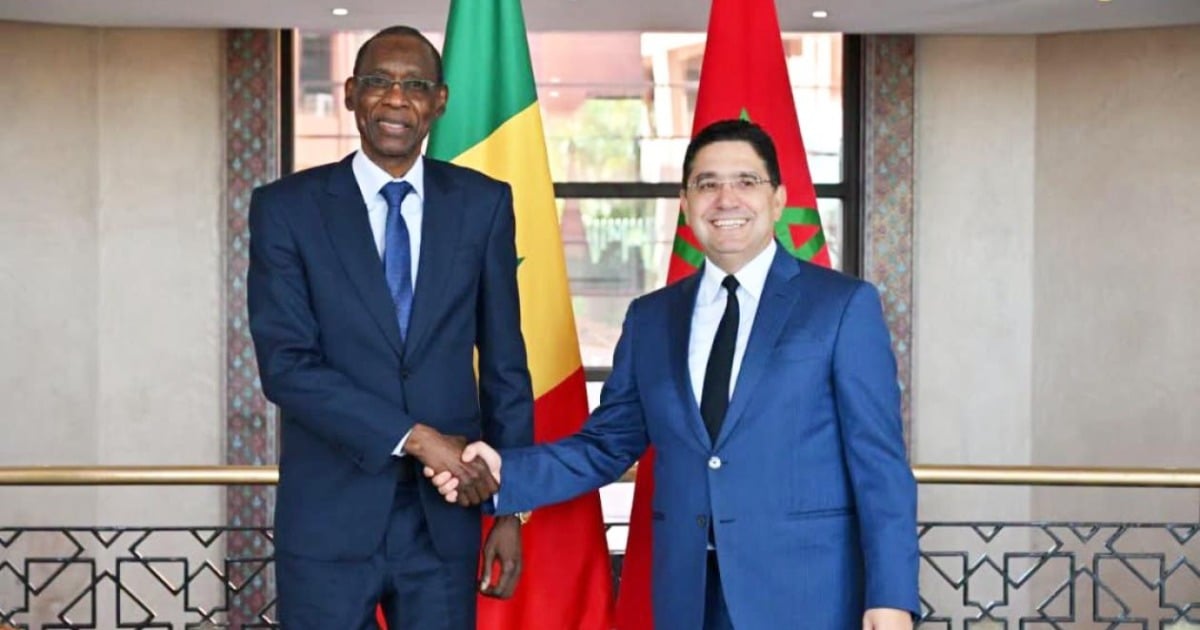
In a pivotal diplomatic shift, Senegal has reaffirmed its unwavering support for Morocco’s position on the Western Sahara conflict, marking a potential turning point in regional dynamics. During a high-stakes meeting with Morocco’s Foreign Minister Nasser Bourita in Rabat, Senegalese Foreign Minister Cheikh Niang delivered a clear message: Dakar stands firmly behind Rabat’s autonomy plan as the definitive solution to the long-standing territorial dispute.
At a joint press conference following the talks, Niang emphasized that Senegal’s position is both firm and consistent, underscoring the country’s recognition of Morocco’s sovereignty over the territory. The minister went further, framing the alignment as a strategic move to consolidate regional stability and reinforce economic partnerships between the two nations.

Strengthening economic and diplomatic ties through shared visions
Beyond the Sahara dispute, the meeting highlighted converging economic ambitions between Senegal and Morocco. Minister Niang praised King Mohammed VI’s Atlantic Initiative as a visionary step toward deeper Pan-African cooperation. This bold proposal, along with the proposed Nigeria-Morocco gas pipeline, signals a new era of strategic collaboration that could reshape West Africa’s energy landscape.
The Atlantic Initiative, described by Niang as a “majestic and enlightened vision”, aims to boost maritime trade, renewable energy, and continental integration. Meanwhile, the gas pipeline project—often cited as a cornerstone of Morocco’s energy diplomacy—could provide Senegal with alternative energy sources while strengthening Morocco’s role as a regional hub.
This confluence of diplomatic and economic priorities underscores how both nations are leveraging shared interests to solidify their partnership.
A history of alignment and recent milestones
Senegal’s support for Morocco’s position is not a recent development. Back in 2020, Dakar took a decisive step by opening a consulate general in Dakhla, a clear endorsement of Morocco’s claim over the territory. The move was widely interpreted as a strategic signal of Rabat’s control over the region.
This week’s visit by Niang follows closely on the heels of another significant event: Senegal’s triumph in the African Cup of Nations (CAN) final, where the country defeated Morocco. While some analysts linked the diplomatic timing to efforts to mend sporting tensions, the government has not commented on this interpretation—it remains a matter of public conjecture.
The unresolved conflict and competing claims
Despite Senegal’s endorsement, the dispute over Western Sahara persists. The Polisario Front, backed by Algeria, continues to advocate for a referendum on self-determination for the territory, which remains on the UN list of non-self-governing territories.
Morocco, however, maintains its position that the Sahara is an integral part of its national territory, a stance increasingly supported by diplomatic allies like Senegal. The growing international recognition of Morocco’s autonomy plan is gradually shifting the balance in this decades-long conflict.
Why this diplomatic pivot matters for Africa
The Senegal-Morocco alliance represents more than just bilateral cooperation—it signals a potential realignment in African diplomacy. As other nations weigh their positions on the Sahara dispute, this partnership could set a precedent for how territorial conflicts are resolved in the future.
For Morocco, Senegal’s backing provides crucial momentum in its efforts to secure broader African endorsement for its autonomy plan. Meanwhile, Senegal positions itself as a key player in West African geopolitics, aligning closely with Morocco’s economic and diplomatic agenda.
As the international community watches closely, this developing axis could redefine regional power structures—and ultimately, the future of Western Sahara.

 Boureima Amadou