Mariama Hamani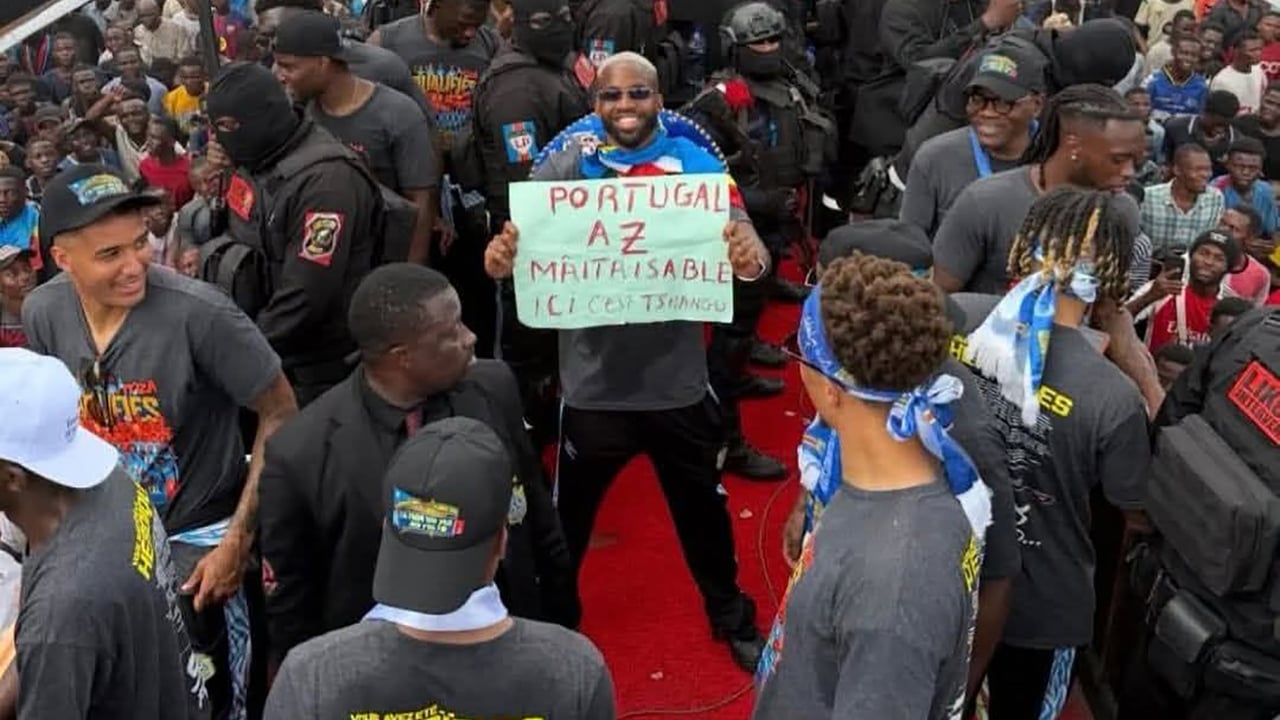
The ‘Maîtrisable’ slogan: how congolese football fans turned a political trial into a symbol of resistance
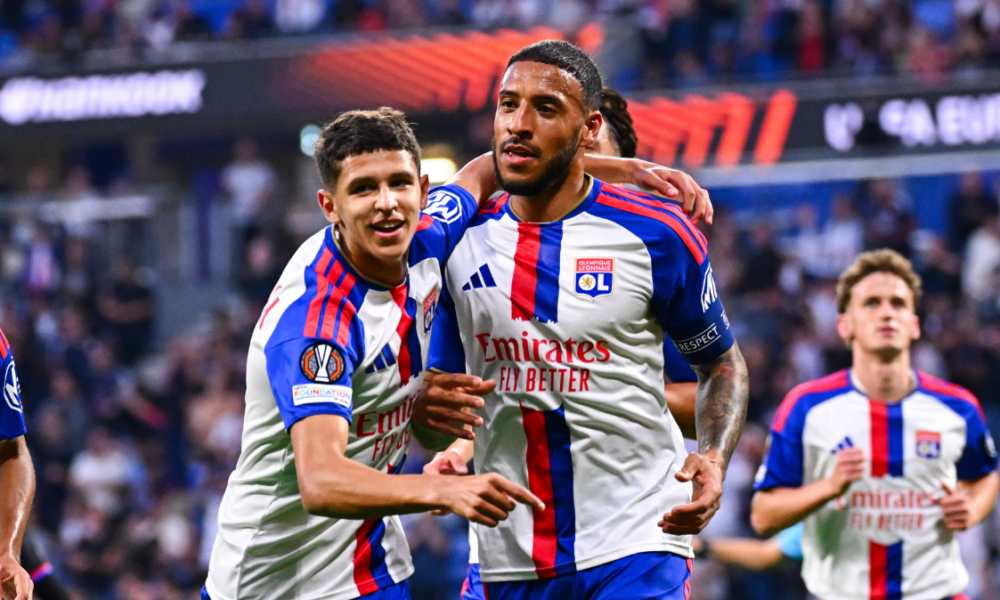
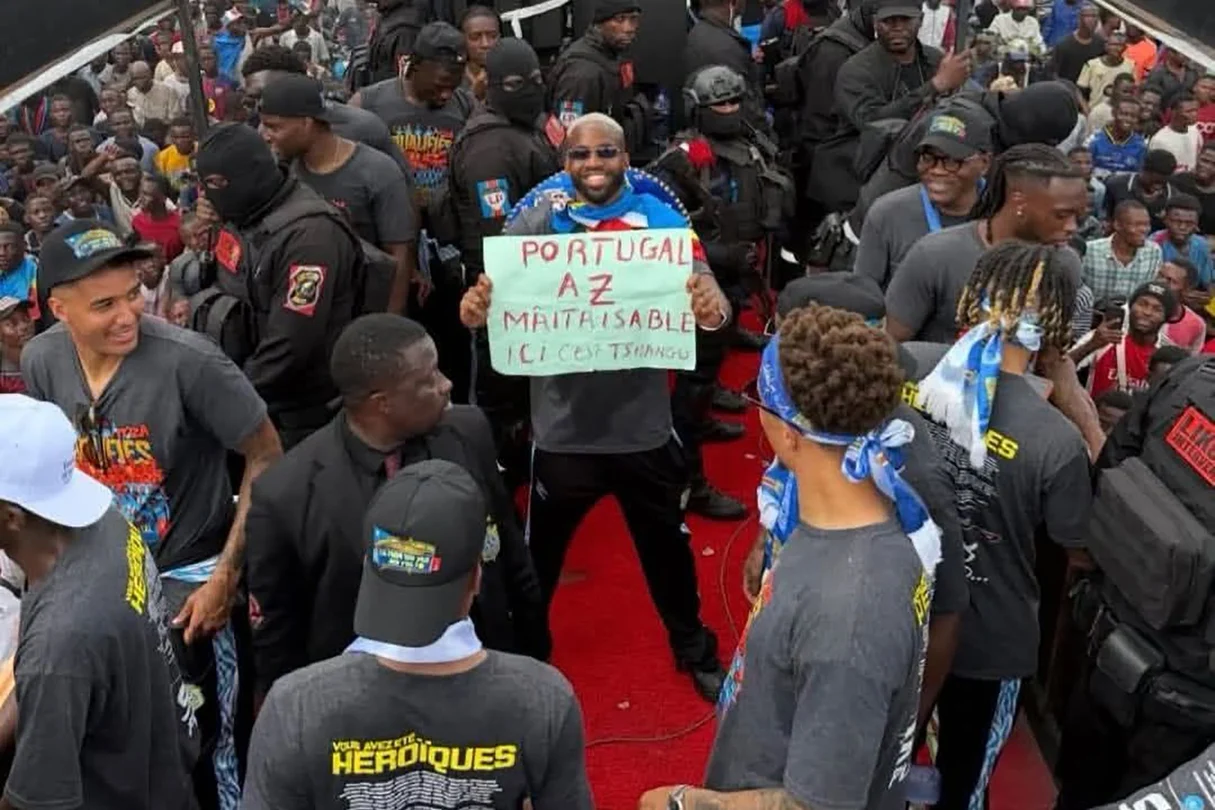
In June 2026, a single word became a rallying cry for supporters of the Democratic Republic of the Congo’s national football team, the Léopards. The slogan «Maîtrisable»—chanted in stadiums and plastered across social media—took on a life of its own, transcending its original context to become a charged political statement. But behind the vibrant displays of fan loyalty lay a far more complex narrative: the phrase was directly tied to a high-profile legal case involving prominent figures in Congolese politics.
From football chants to courtroom battles
The slogan first emerged during a tense period in the DRC’s recent history, as the nation grappled with political upheaval and legal controversies. Football fans, known for their unwavering passion, adopted the term as a form of protest, wielding it as both a shield and a sword against what they perceived as systemic injustice. The word itself, meaning “manageable” in French, was repurposed with biting irony—suggesting that the challenges facing the country were, in fact, far from controllable.
The timing of the slogan’s rise was no coincidence. It coincided with a widely publicized trial that had captivated the nation’s attention, drawing scrutiny to the actions of key political figures. Among those at the center of the controversy was former President Joseph Kabila, whose legacy continues to spark debate across the DRC. His name, along with that of current President Félix Tshisekedi, became inextricably linked to the legal proceedings, further fueling public discourse.
The Makala prison connection: a symbol of political tension
The slogan’s resonance was amplified by its association with the Makala prison in Kinshasa, a facility that has long been a focal point in discussions about governance and human rights in the DRC. Reports of detainees—some of whom were connected to high-stakes political cases—sparked outrage among the public, with many questioning the fairness of the judicial process. Football fans, in particular, saw parallels between the slogan and the broader struggles of the nation, turning it into a defiant emblem of their dissatisfaction.
The Makala prison case became a lightning rod for criticism, with activists and citizens alike drawing connections between the legal system’s handling of high-profile defendants and the country’s broader governance challenges. The slogan «Maîtrisable» served as a reminder that, despite official narratives of stability, the DRC remained a nation in flux, where justice and accountability were often elusive.
A fan-driven movement gains momentum
What began as a spontaneous outburst of solidarity among football supporters quickly evolved into a broader movement. The slogan’s simplicity and versatility allowed it to be adapted to various contexts, from stadium chants to social media hashtags. Fans of the Léopards, drawn together by their love for the game, found themselves at the forefront of a cultural shift, using their collective voice to challenge the status quo.
The phenomenon also highlighted the power of sports as a platform for political expression. In a country where media freedom is often constrained, football stadiums provided a rare space for dissent. The slogan’s widespread adoption underscored the deepening divide between the government’s official rhetoric and the lived realities of Congolese citizens.
What’s next for the ‘Maîtrisable’ movement?
As the legal proceedings in the DRC continue to unfold, the fate of the «Maîtrisable» slogan remains uncertain. Will it fade into obscurity, or will it endure as a testament to the resilience of the Congolese people? One thing is clear: the phrase has already left an indelible mark on the nation’s cultural and political landscape, proving that even in the most unexpected of places, a single word can carry the weight of an entire movement.

 Boureima Amadou