Boureima Amadou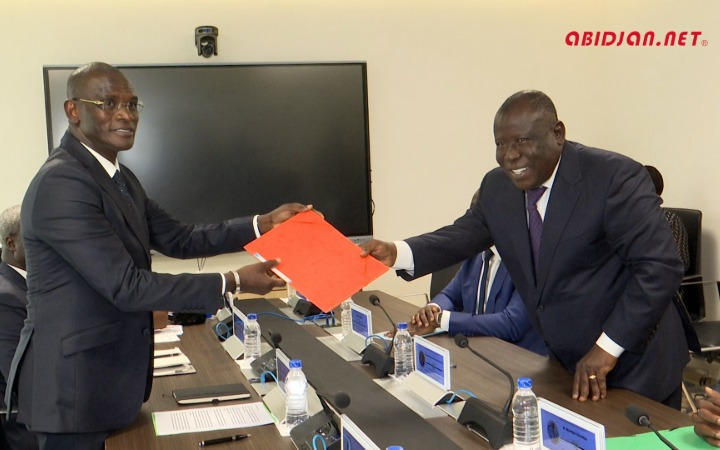
In a decisive move to rebuild public trust and strengthen democratic processes, Ivory Coast’s ruling RHDP coalition has submitted groundbreaking proposals for a new electoral body to the Interior Minister. This landmark initiative marks a pivotal turning point in the country’s electoral reforms, setting the stage for a potential transformation of voting integrity and political stability. As debates intensify across the nation, the move signals Ivory Coast’s commitment to overcoming past electoral controversies and fostering a new era of transparent governance.
Why this new electoral body could be a game-changer for Ivory Coast
For years, Ivory Coast has grappled with recurring disputes over election credibility, with critics pointing to systemic weaknesses in the electoral process. The proposed reforms aim to address these longstanding concerns by introducing structural changes to the composition, independence, and operational framework of the electoral body. By prioritizing transparency and accountability, the RHDP’s proposal seeks to restore public confidence in the voting system, a critical step toward consolidating democracy in the West African nation.
Key pillars of the RHDP’s proposal
The coalition’s proposals center on three core principles designed to enhance the electoral body’s legitimacy and effectiveness:
- Enhanced independence: The new body would operate with greater autonomy from political interference, ensuring impartial decision-making in voter registration, polling, and results management.
- Broader stakeholder inclusion: Representatives from civil society, opposition parties, and international observers would be integrated into the governance structure, fostering a more inclusive and credible process.
- Technological modernization: Leveraging digital tools for voter registration, biometric verification, and real-time result transmission to minimize errors and fraud risks.
National reactions: hope, skepticism, and the path forward
The RHDP’s initiative has sparked a wave of reactions across Ivory Coast’s political and social landscape. While supporters hail it as a long-overdue reform that could finally put an end to election disputes, critics remain cautious, questioning whether the proposals go far enough to address entrenched systemic issues. Political analysts suggest that the success of this initiative will hinge on three critical factors: the government’s willingness to implement the reforms fully, the opposition’s willingness to engage constructively, and civil society’s capacity to hold authorities accountable.
Public sentiment: voices from the streets of Abidjan and beyond
Residents of Ivory Coast’s economic hub, Abidjan, have shared mixed reactions. Some citizens view the proposal as a positive step toward reconciliation and democratic renewal, while others remain skeptical, citing past unfulfilled promises. Business leaders, meanwhile, are cautiously optimistic, with many hoping that improved electoral integrity could boost investor confidence and stabilize the economic environment. Meanwhile, rural communities express concerns about accessibility and the digital divide, emphasizing the need for reforms to be inclusive and equitable.
Economic implications: stability and investor confidence
Beyond the political realm, the proposed electoral reforms carry significant economic implications for Ivory Coast. A credible and transparent electoral process is widely regarded as a cornerstone for long-term economic growth, as it fosters investor trust and reduces policy uncertainty. Analysts predict that successful implementation of the reforms could lead to:
- Increased foreign direct investment (FDI) in key sectors such as agriculture, infrastructure, and energy.
- Improved credit ratings, making it easier for the government and private sector to access international financing.
- Enhanced regional stability, positioning Ivory Coast as a model for democratic governance in West Africa.
Challenges on the horizon: navigating the road to reform
Despite the momentum behind the RHDP’s proposal, several challenges threaten to derail the reform process. Political polarization remains a persistent issue, with deep divisions between ruling and opposition parties complicating consensus-building. Additionally, logistical hurdles—such as training staff for new systems and ensuring equitable resource distribution—pose significant operational risks. Civil society organizations have called for robust monitoring mechanisms to prevent backsliding and ensure that the reforms deliver on their promises. Meanwhile, international partners have reiterated their support for Ivory Coast’s democratic aspirations, offering technical and financial assistance to facilitate a smooth transition.
What’s next? Anticipating the timeline for implementation
With the proposals now in the hands of the Interior Minister, the next phase of the reform process will likely involve extensive consultations with stakeholders, followed by legislative action to formalize the changes. The timeline for implementation remains uncertain, but analysts suggest that key milestones could include:
- Legislative approval: Parliament’s ratification of the reforms, expected within the first quarter of 2027.
- Pilot testing: A phased rollout of new systems in selected regions to identify and address operational challenges.
- Full operationalization: Nationwide deployment of the reformed electoral body ahead of the next major elections.
As Ivory Coast stands at this critical juncture, the successful implementation of the new electoral body could redefine the nation’s political and economic trajectory. For a country that has weathered decades of instability, this moment represents more than just a reform—it is a chance to break free from the shadows of the past and embrace a future defined by transparency, trust, and progress.