Boureima Amadou
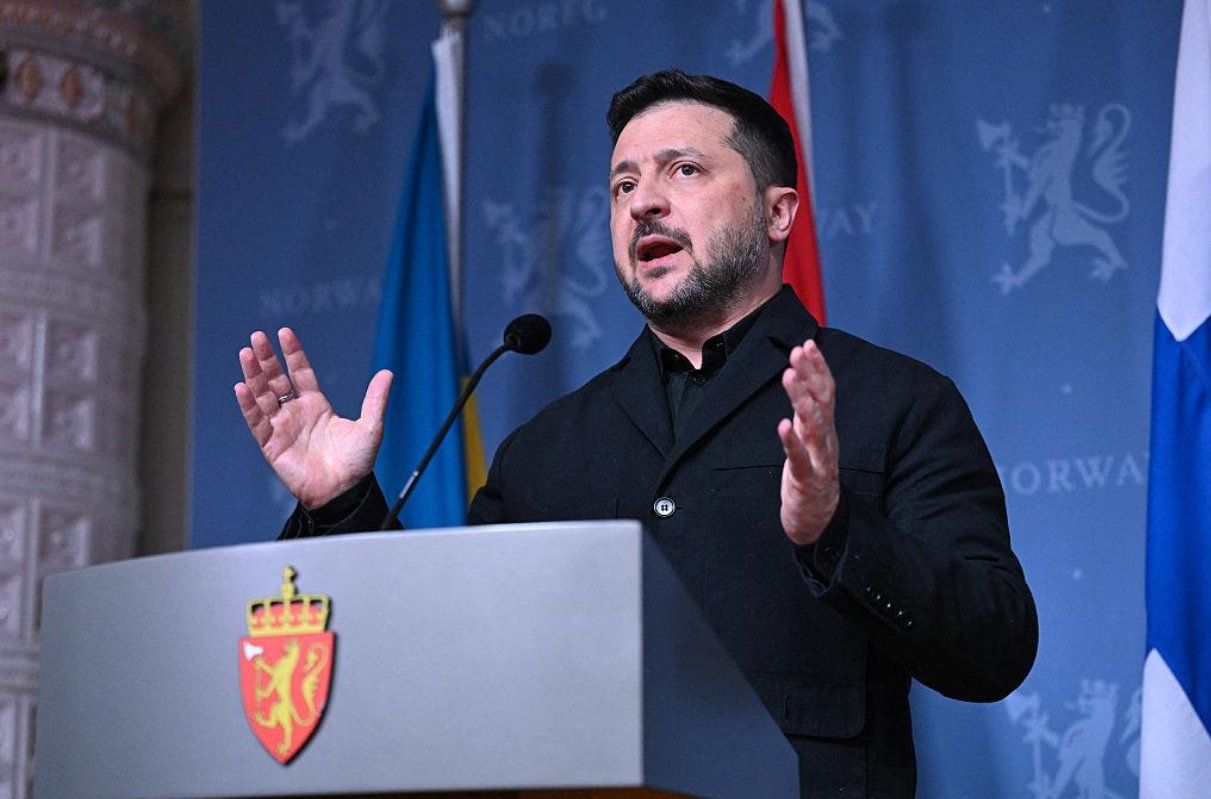
In a bold diplomatic shift on October 21, 2026, Ukrainian president Volodymyr Zelensky announced his country’s readiness to halt active hostilities along current military lines—a turning point aimed at paving the way for security negotiations with Washington and European capitals. Yet, in a CNN interview the following day, he made it unequivocally clear: this freeze would not equate to recognizing Russian-occupied territories or surrendering any land still under Kyiv’s control.
Breaking the cycle: a strategic pause on the battlefield
Zelensky’s proposal marks a pivotal moment in Ukraine’s war strategy. By advocating for a freeze on current frontlines, the president signals a willingness to stop the bloodshed and destruction—at least temporarily. Speaking to Fox News, he framed the move as a pragmatic step toward ending years of conflict, emphasizing that a ceasefire could create space for political dialogue. However, he stressed that this suspension of hostilities would represent the minimum Moscow must accept to begin serious talks.
The distinction is critical: freezing the front means halting combat along existing lines, not conceding legal recognition of Russian-occupied regions. For Kyiv, military realities on the ground must not be confused with sovereign rights. The proposal leaves the door open for future negotiations on disputed territories while prioritizing an immediate end to the violence.
Sovereignty non-negotiable: Kyiv’s red line on territory
In his CNN interview, Zelensky drew a firm line: Ukraine will not recognize occupied regions as Russian nor abandon areas it still controls, particularly in the Donbass. « Our land is irreplaceable because it’s about our people, not kilometers, » he declared, underscoring the human cost of the war and the nation’s resolve to defend its independence. For Kyiv, even a frozen conflict must not legitimize Moscow’s territorial claims.
This stance highlights the core tension in any potential peace process. Russia demands recognition of its gains, particularly full control of Donetsk, while Ukraine refuses to cede an inch of its internationally recognized borders. A ceasefire might reduce violence, but it would not resolve the underlying dispute fueling the war. The Donbass remains the most contentious flashpoint, where both sides dig in their heels over sovereignty and control.
Security guarantees: the missing piece of the puzzle
Beyond the frontlines, Zelensky’s plan hinges on robust security guarantees from the U.S. and European allies. For Ukraine, a mere pause in fighting is insufficient—mechanisms must be in place to prevent Russia from resuming its offensive. This requires credible commitments from Western partners, though the exact form of these guarantees remains undefined.
Potential questions loom: What military or diplomatic pledges would the West be willing to make? How would they respond to Russian violations of a truce? These uncertainties come at a time of strained relations between Kyiv and Washington, with Zelensky acknowledging recent challenges in U.S. support, particularly regarding military capabilities and communications systems vital to Ukraine’s defense. Despite these tensions, he continues to view America as indispensable to any lasting solution.
Europe’s role is equally vital. Ukraine seeks not just a halt to the fighting but long-term security assurances. The scope of these commitments, however, will depend on political negotiations and the willingness of individual nations to back them with action.
A fragile pathway to dialogue
Zelensky’s proposal opens a narrow diplomatic window, but it does not guarantee an imminent peace deal. Fundamental disagreements persist between Russia and Ukraine over territory, ceasefire terms, and the security frameworks needed to sustain a truce. Russian president Vladimir Putin has signalled openness to U.S.-mediated talks, yet Moscow’s demands for a settlement that addresses its security concerns—including territorial concessions—remain at odds with Kyiv’s position.
At its heart, Ukraine’s approach tests whether combat can be halted without immediately resolving territorial disputes. For Kyiv, the answer lies in decoupling the current military stalemate from legal recognition of borders. A frontline freeze could serve as a first step toward de-escalation—provided both sides agree on its terms and back it with credible guarantees. Yet, as long as Russia and Ukraine hold irreconcilable demands on sovereignty and security, the prospect of lasting peace remains uncertain.
In this high-stakes balancing act, Ukraine is attempting to carve out a path where the guns fall silent without its land or future being surrendered. The road ahead is precarious, but the momentum for change is undeniable.

 Mariama Hamani