Boureima Amadou
Luanda biennale 2026: A turning point for Africa’s water governance
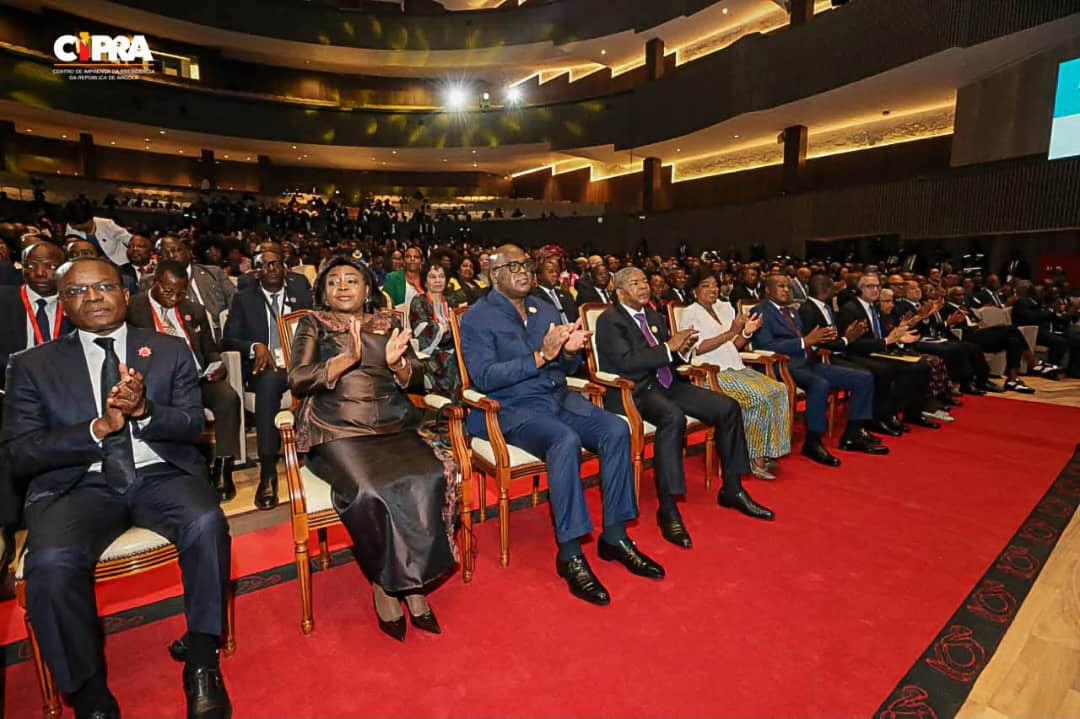
The fourth edition of the Luanda Biennale, held on October 22–23, 2026, under the auspices of UNESCO and the African Union with Angola’s government, marked a decisive shift in how Africa addresses shared water challenges. This year’s theme—water governance as a tool for conflict prevention, mediation, and resolution—brought together African leaders and institutional stakeholders to explore pathways for sustainable transboundary cooperation.
Félix Tshisekedi’s watershed moment: Putting Congo’s waters first
In a landmark address, President Félix-Antoine Tshisekedi Tshilombo of the Democratic Republic of Congo (DRC) underscored the urgent need to balance regional cooperation with national sovereignty over water resources. His intervention was not just a policy statement—it signaled a turning point in how the DRC views its role in shaping the future of Africa’s most vital river systems.
The Congo River, the world’s second-largest by discharge after the Amazon, flows through the heart of the DRC, connecting it to neighboring countries like the Republic of Congo and the Central African Republic via the Oubangui Basin. These waters are not merely ecological lifelines; they are the backbone of hydroelectric power, agriculture, river transport, fisheries, and drinking water supply across Central Africa.
Why sovereignty over the Congo River is non-negotiable
During his speech, President Tshisekedi emphasized that any management of shared water basins must be built on three pillars: data transparency, coordinated investment, and dispute-resolution mechanisms. This approach rejects unilateral decisions that could compromise the DRC’s constitutional rights over its natural resources.
A particularly contentious issue—regional proposals to divert water from the Congo Basin to the Lake Chad Basin—was addressed head-on. The DRC’s position is clear: no such project can proceed without a national referendum and rigorous scientific guarantees to protect both national interests and ecological balance. This stance reflects growing regional tensions over water security and the need for legally binding frameworks that respect each nation’s sovereign rights.
Bilateral breakthroughs: Angola and DRC chart a new course for water cooperation
Beyond the broader biennale discussions, high-level talks between the DRC and Angola are yielding concrete steps toward bilateral water collaboration. Key areas of focus include:
- Hydrological data exchange: Real-time sharing of river flow, water quality, and climate-related data to improve joint decision-making.
- Ecosystem protection: Joint initiatives to combat pollution, preserve biodiversity, and restore degraded transboundary wetlands.
- Capacity building: Training programs for water engineers, policymakers, and environmental scientists to strengthen institutional expertise.
- Sustainable energy projects: Exploring hydroelectric ventures that align with environmental safeguards and benefit both nations.
An Angolan water expert involved in the negotiations noted that these partnerships must deliver measurable economic, social, and environmental returns to ensure long-term viability. The goal is not just cooperation—but smart cooperation that aligns with each country’s development priorities while safeguarding shared ecosystems.
The sovereignty-cooperation paradox: Can Africa have both?
The DRC’s stance at the biennale highlights a critical tension in Africa’s water governance: How can nations assert their sovereignty over shared rivers while still benefiting from regional integration? With climate change intensifying droughts and water scarcity, this question has moved from theoretical debate to urgent policy reality.
The Luanda Biennale provided a platform to examine legal, financial, and institutional tools that could bridge this divide. For the DRC, the priority is clear: leverage its vast hydropower potential and river networks to drive development—but on its own terms. This means negotiating from a position of strength, backed by robust national policies and a commitment to equitable, science-based agreements.
As Africa’s rivers face unprecedented pressure, the DRC’s proactive approach at Luanda signals a new era—one where sovereignty and cooperation are not opposing forces, but complementary strategies for securing the continent’s water future.