Boureima Amadou
In the ever-shifting landscape of foreign partnerships in the Sahel, Turkey has quietly positioned itself as the leading military supplier to Mali since 2024. While global attention often focuses on the presence of other external actors, Ankara’s strategic engagement has unfolded with deliberate precision, avoiding the glare of high-profile diplomacy. Over the past decade, bilateral trade between the two nations has surged, with defense exports—particularly arms and ammunition—now dominating Turkey’s sales to Bamako. This shift marks a significant reconfiguration of external influence in the region, particularly as traditional partners recalibrate their roles in West Africa.
Turkey’s calibrated commercial expansion meets Mali’s security imperatives
The rapid growth in trade between Ankara and Bamako reflects a deliberate, long-term strategy rather than a fleeting opportunity. While some Western partners have scaled back involvement in the face of persistent jihadist insurgencies and political transitions in Mali, Turkey has stepped in as a reliable alternative. The Malian authorities, facing both security threats and the collapse of long-standing cooperation agreements, have found in Turkey a partner perceived as both dependable and diplomatically unobtrusive.
What sets this relationship apart is the nature of the goods exchanged. Since 2024, defense equipment, including arms and munitions, has overtaken manufactured goods to become Turkey’s top export to Mali. This shift aligns with Bamako’s urgent need to modernize and rearm its armed forces, which are undergoing a doctrinal transformation to better counter asymmetric threats across a vast and challenging terrain.
Bayraktar drones anchor Ankara’s quiet influence campaign
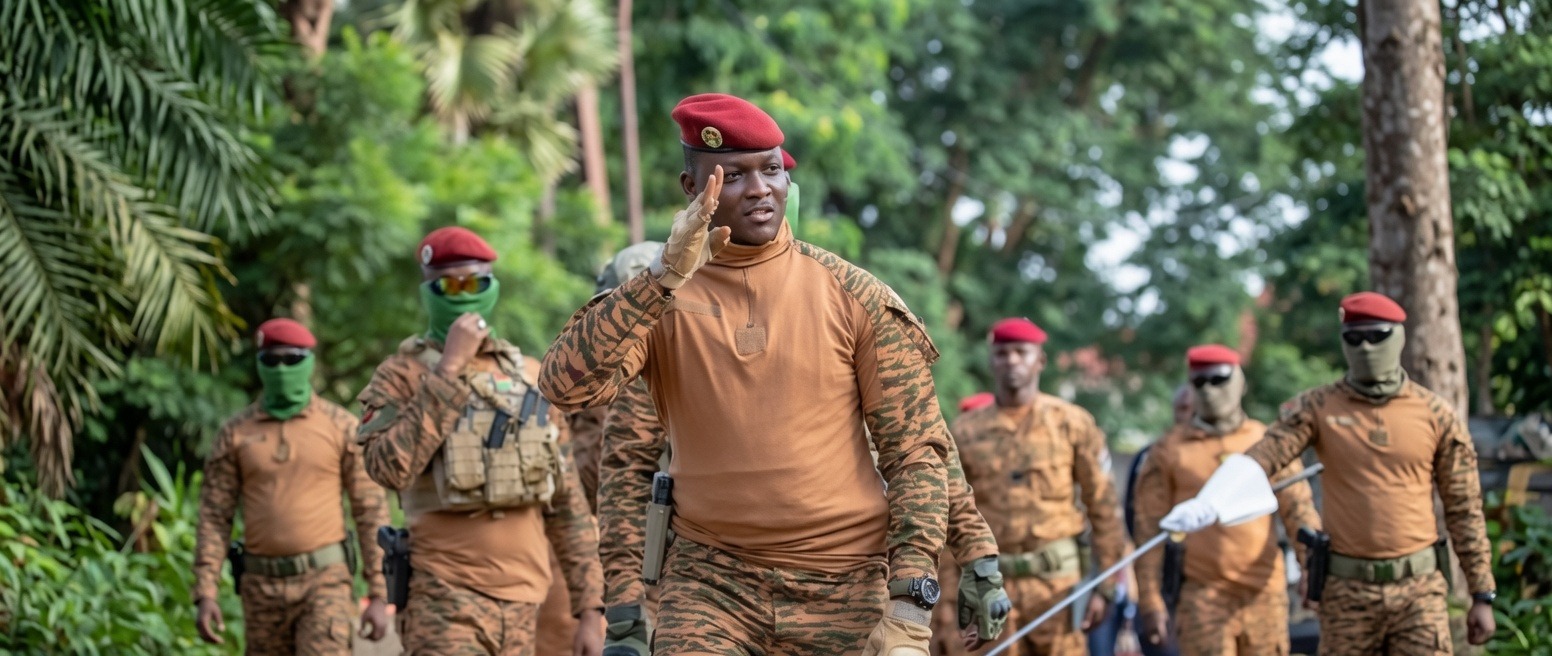
At the heart of this military cooperation are the Bayraktar combat drones, manufactured by the Turkish firm Baykar. Already deployed in conflicts from Libya to Ukraine, these unmanned aerial systems have found a critical operational theater in the Sahel. For Malian forces, these drones represent a transformative capability, enabling precision strikes against mobile and dispersed militant groups across an area larger than France.
Beyond their immediate military value, these systems serve as a cornerstone of Turkey’s soft power strategy in Mali. Unlike other external actors who seek broad diplomatic visibility, Ankara has focused on building a presence across multiple sectors—from construction and civil aviation to religious education through the Maarif Foundation and logistical support. This diversified approach allows Turkey to avoid the label of a mere opportunistic partner, instead fostering a more sustainable and multifaceted relationship.
Navigating geopolitical complexities with tactical flexibility
What distinguishes Turkey’s approach is its ability to navigate a complex geopolitical environment without taking sides in regional rivalries. Ankara maintains open dialogue with the juntas of the Alliance of Sahel States (AES) while simultaneously preserving diplomatic channels with West African countries aligned with ECOWAS. This adaptability contrasts sharply with the more rigid stances adopted by certain European powers, which have faced pressure to align their policies following recent political shifts in the region.
Yet, the economic imbalance in the relationship remains a looming challenge. While Mali exports primarily agricultural commodities to Turkey, its imports—ranging from machinery and construction materials to advanced defense systems—far exceed the value of its exports. This trade deficit raises questions about the long-term sustainability of the partnership, particularly as Mali’s mineral revenues, including gold, are increasingly diverted to fund military operations and social programs.
Despite these economic concerns, Turkey’s strategic depth in Mali extends beyond mere trade volumes. By positioning itself as an industrial partner, a military supplier, and an educational actor, Ankara is building a durable presence that is both politically low-cost and difficult to reverse. For Bamako, this diversification offers a valuable counterbalance to over-reliance on Russia, without reintroducing the perceived intrusiveness of Western partnerships. In doing so, Turkey has quietly carved out one of the most enduring and adaptable influence networks in the Sahel.


 Mariama Hamani