Mariama Hamani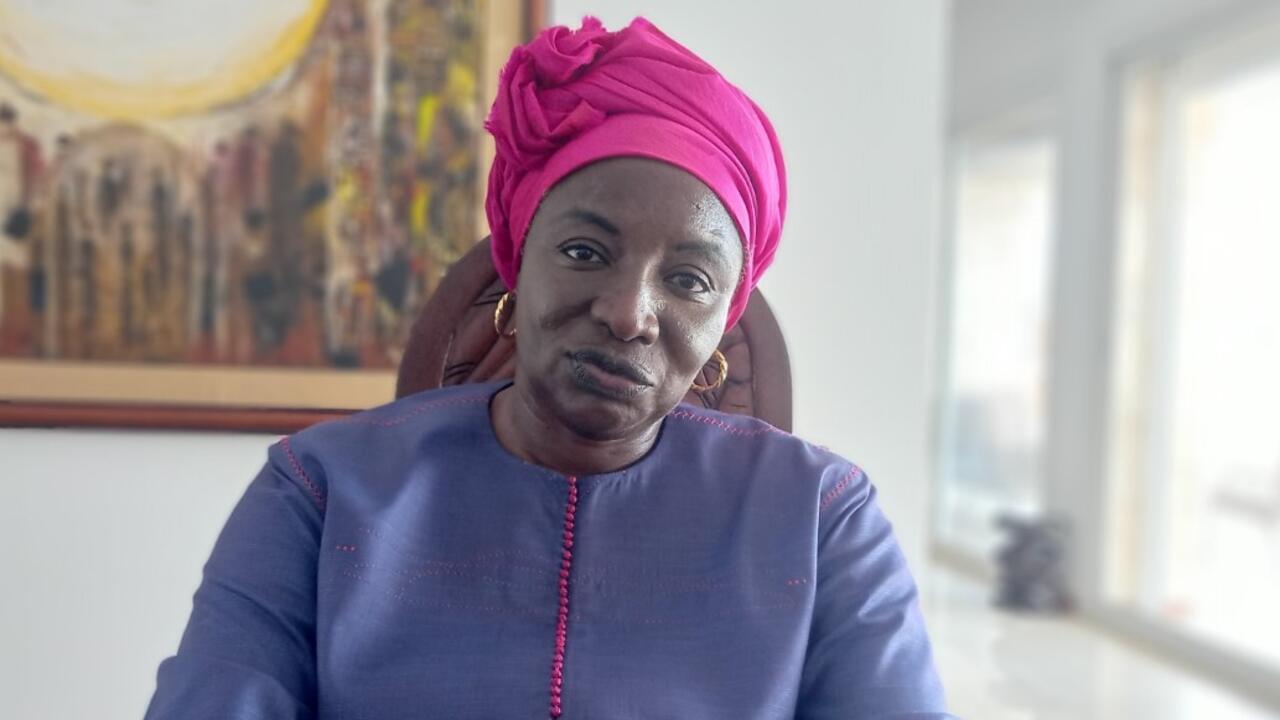
In Sénégal, the cabinet recently unveiled by Prime Minister Ahmadou Al Aminou Mohamed Lô has sparked significant debate. This team of thirty ministers, which excludes the Pastef leadership under Ousmane Sonko, is primarily composed of technocrats and close supporters of President Bassirou Diomaye Faye. The absence of high-ranking Pastef figures—despite the President himself being a member—has fueled speculation about a potential distancing between President Diomaye Faye and Ousmane Sonko. Aminata Touré, the general supervisor of the Diomaye Président coalition, shares her perspective on this new political landscape.
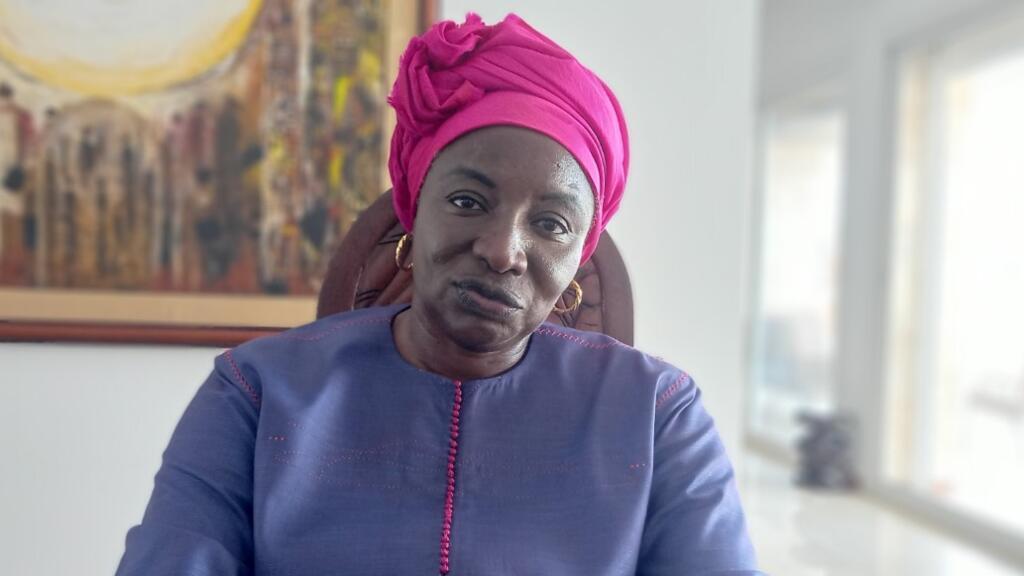
With 30 ministers appointed, including some Pastef members but no major party figures, does this government lack democratic or electoral legitimacy?
Aminata Touré: We must uphold democratic fundamentals. President Bassirou Diomaye Faye secured a clear mandate with 54% of the vote. It is his constitutional right to appoint the Prime Minister and approve the proposed cabinet. This team reflects a commitment to operational efficiency. Above all, the people of Sénégal want to see results and progress. This choice focuses on getting the work done.
Given that Ousmane Sonko leads the Pastef majority in the National Assembly, are you concerned that this potential cohabitation will hinder the executive’s ability to lead?
It is worth noting that President Bassirou Diomaye Faye is a member of Pastef, as are several ministers in this administration. This is essentially an internal party matter. As long as every branch of government respects its boundaries and prioritizes the national interest, we can avoid friction. We cannot afford a permanent state of political drama. If the National Assembly, the executive, and the judiciary—including the Constitutional Council—all focus on their specific roles for the benefit of the citizens, the system will function as intended. The public will judge based on the outcomes.
There are rumors of friction regarding the issue of accountability, with some fearing a lack of resolve. Does this cabinet signal a retreat from the political ethics promised by Pastef?
Quite the opposite; this could be the start of a transparent accountability process rooted in judicial independence. It is vital to distinguish between genuine accountability and political vendettas. Having served as Justice Minister, I understand that personal or political dislike is not a legal basis for conviction. President Bassirou Diomaye Faye remains dedicated to transparency, but he will not support using the law to settle scores.
Regarding the national debt, Ousmane Sonko has previously been wary of IMF-led restructuring. Will this government adopt a different strategy?
This is a practical challenge rather than an ideological one. When debt exists, it must be managed. Whether the figures were previously obscured or underestimated, the reality is that we must find a way to honor our commitments. This involves discussing debt reprofiling with our international partners. We need a strategy that is sustainable for the country without returning to the harsh austerity of the 1980s, which devastated social programs and increased poverty. We are seeking a balanced approach that protects our population while addressing financial obligations.
Could Pastef’s decision not to fully embed its leadership in this government be a strategy to prioritize Ousmane Sonko’s potential 2029 presidential bid over the current administration’s success?
Political ambition is natural, and it is perfectly legitimate for individuals to look toward 2029. Similarly, President Bassirou Diomaye Faye has every right to focus on fulfilling his mandate and potentially seeking a second term. However, the voters are not interested in a three-year-long election campaign. To focus on 2029 now would be a disservice to the people. The Prime Minister’s goal is transformation and action today. Attempting to undermine the government would ultimately harm the ambitions of all Sénégalese citizens. Democracy must be allowed to operate; we may disagree on methods, but the nation’s welfare must always come first.

 Boureima Amadou