Boureima Amadou
Niger stands at a critical juncture in its energy trajectory. As a nation producing over 100,000 barrels of crude oil daily and exporting significant volumes, the country’s inability to meet domestic fuel demand has exposed fundamental flaws in its energy management. This contradiction has thrust the military regime of General Abdourahamane Tiani into an unwelcome spotlight, forcing a reckoning with its claims of energy sovereignty.
From oil fields to empty pumps: the paradox of Niger’s hydrocarbon sector
The Agadem oil basin has been operational since 2011, with the Zinder refinery (SORAZ) processing 20,000 barrels daily while 90,000 barrels are exported. Yet this production capacity has failed to translate into reliable fuel availability for Nigerian consumers. The gap between crude output and refined product availability has widened dramatically, with official data revealing severe shortfalls: gasoline deficits jumped from 47.25 million liters in 2024 to 196.62 million liters in the first eight months of 2026, while diesel shortages reached 52.60 million liters during the same period.
Structural failures: why production doesn’t equal availability
Niger’s energy crisis stems from a disconnect between four critical operations: crude production, refining, storage, and distribution. While the technical capacity exists, systemic inefficiencies have crippled the entire supply chain. The SORAZ refinery operates intermittently, while financial constraints have left the national oil company (SONIDEP) struggling to maintain consistent procurement and delivery mechanisms. This breakdown has created a situation where Niger a net exporter of crude oil must import refined products to meet domestic needs.
The Algeria partnership: trading sovereignty for short-term relief
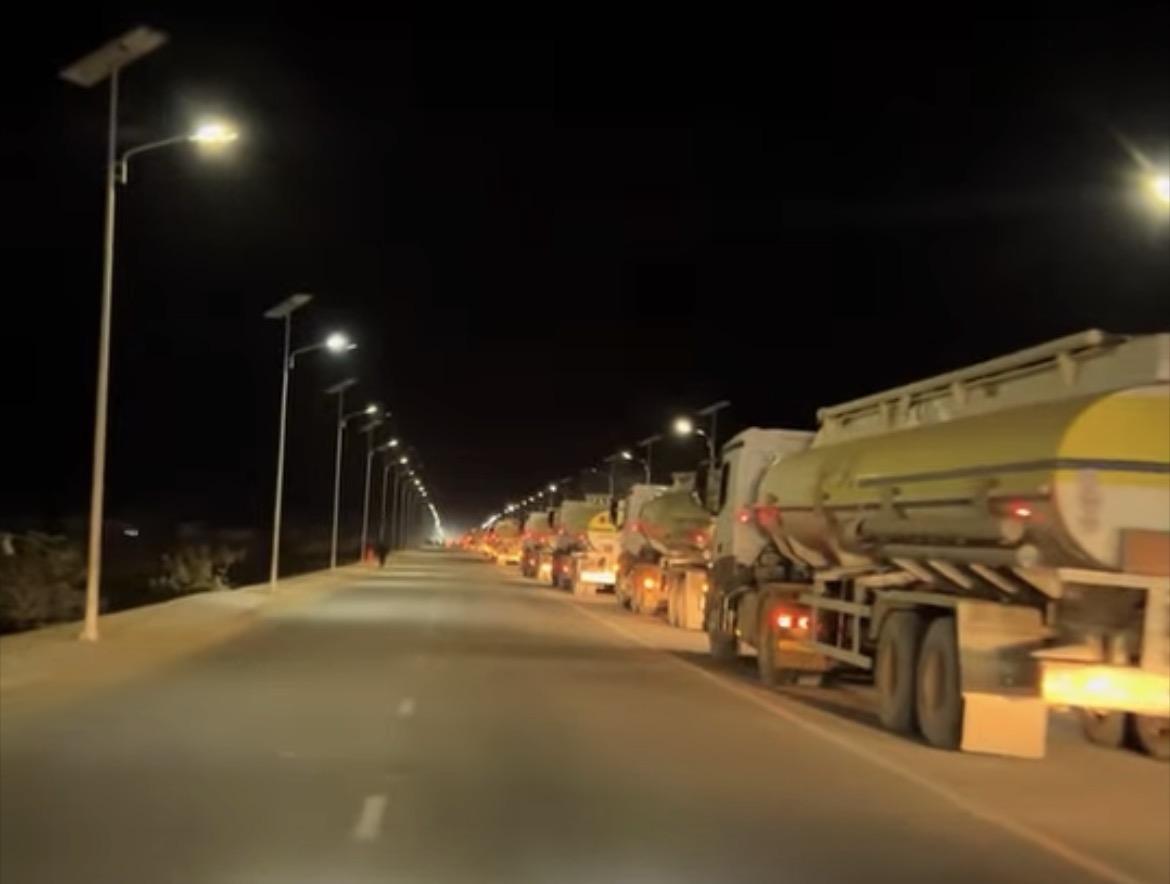
In March 2026, Niger signed a hydrocarbon cooperation agreement with Algeria, followed by three specific accords between SONIDEP and Sonatrach subsidiaries in June. While these deals provide temporary market relief evidenced by the arrival of 1.65 million liters of Algerian fuel via 53 tanker trucks on November 1, 2026 they raise critical questions about long-term energy strategy. What financial commitments does Niger face? What volumes are covered? What price negotiations occurred? And most importantly, what structural reforms are being implemented to reduce import dependence?
The fundamental issue isn’t cooperation with Algeria but the lack of transparency surrounding these arrangements. When a country with proven hydrocarbon resources must rely on foreign partners to fuel its own economy, citizens deserve clear explanations about the terms of engagement and the timeline for achieving self-sufficiency.
Financial dysfunction: the hidden crisis in Niger’s oil sector
An October 2026 announcement revealed the establishment of a technical committee to address cross-debts among SONIDEP, SORAZ, NIGELEC, the Chinese CNPC, and state institutions. With a three-month deadline to develop a resolution plan, authorities face pressing questions about accumulated liabilities, transaction terms, and payment mechanisms. The absence of published audits and detailed accountability measures has fueled suspicions about financial mismanagement and potential corruption within the sector. Such opacity undermines both economic stability and public trust in energy governance.
The human cost of energy mismanagement
The repercussions of fuel shortages extend far beyond economic indicators. Daily life has been disrupted for countless Nigeriens: transporters unable to complete routes, small businesses facing losses, artisans reliant on generators forced to reduce operations, and commuters spending hours queuing at petrol stations. These challenges highlight a harsh reality: natural resource wealth holds little social value unless it translates into tangible improvements in quality of life. The Tiani regime’s energy narrative must now contend with the lived experience of its people, where the absence of fuel directly impacts livelihoods.
A sovereignty test for Tiani’s administration
General Tiani’s political platform has consistently emphasized national sovereignty since assuming power in July 2023. Yet the energy sector presents an uncomfortable test case for this commitment. The regime must address three core challenges: (1) explaining why domestic oil production hasn’t secured fuel availability, (2) clarifying the terms and necessity of Algeria’s fuel imports, and (3) demonstrating measurable improvements in transparency and operational efficiency. Without addressing these issues, the government risks eroding public confidence in its ability to manage strategic resources effectively.
The November 1 fuel delivery from Algeria offers temporary respite but does nothing to resolve fundamental weaknesses in Niger’s energy infrastructure. True energy sovereignty will only be achieved through a comprehensive strategy that prioritizes domestic refining capacity, financial accountability, and distribution network reliability. For Tiani’s administration, the path forward requires more than declarative statements about resource wealth it demands concrete action to ensure that Niger’s oil wealth serves its people first.
By Boureima Amadou — Journalist


 Mariama Hamani