Boureima Amadou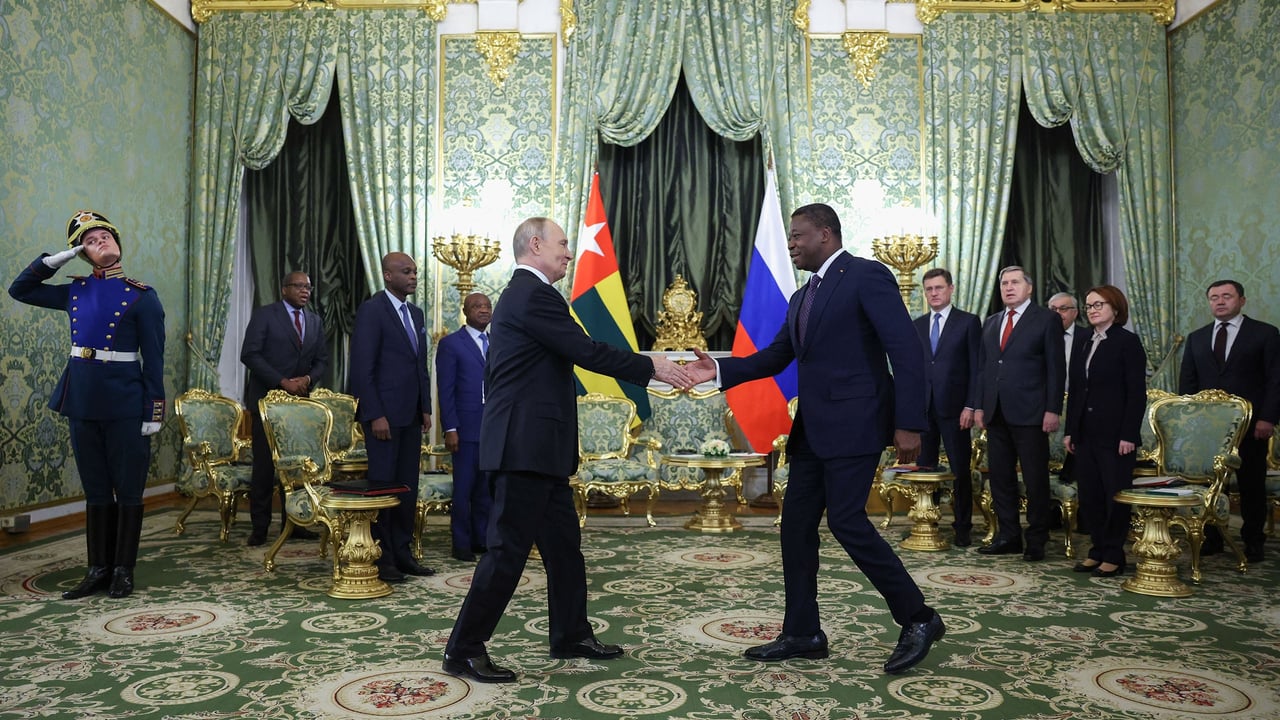
Lomé is quietly reshaping its security strategy by deepening cooperation with Moscow and Ankara, while welcoming Russian military presence. The move reflects growing concerns over jihadist expansion in West Africa.
Togo’s shifting security alliances
Since late 2023, Togo has quietly expanded its military partnerships beyond traditional Western allies, turning instead toward Ankara and Moscow. This strategic pivot reflects the government’s growing unease over the escalating influence of armed groups in the Sahel.
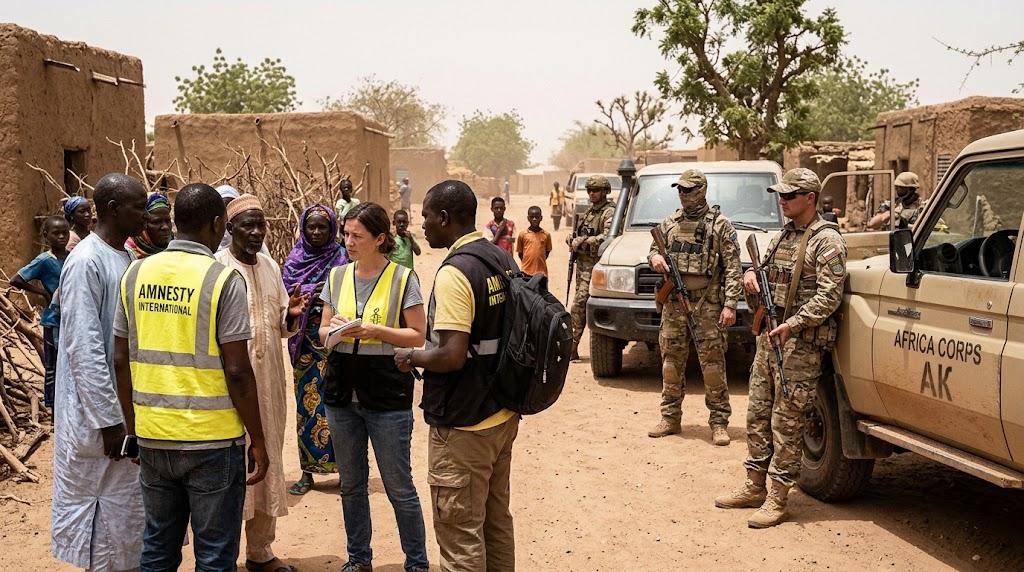
Under President Faure Gnassingbé, the country has sought fresh security guarantees. In 2024, Lomé formalized defense cooperation with Turkey, negotiating for aerial surveillance support and logistical assistance. By early 2025, Russian military advisors—linked to the Africa Corps—had established a discreet presence in the country, signaling a deeper engagement in Togo’s counterterrorism efforts.
A new chapter in regional security
The collaboration with Ankara has already yielded tangible results. Turkish drone technology and training have enhanced Togo’s intelligence and strike capabilities, particularly in the northern Savanes Region. Meanwhile, Russian advisors have reportedly focused on long-term institutional support, including officer training and command structure optimization.
These developments come as jihadist factions operating from Burkina Faso and Niger intensify cross-border incursions into Togo’s northern territories. Government sources confirm that the new partnerships aim to reinforce border security and disrupt militant supply routes.
Challenges and controversies
While the shift in alliances offers immediate tactical advantages, it has sparked debate among political observers. Critics argue that closer ties with Moscow could strain relations with Western partners, particularly France, which has long dominated security cooperation in Francophone West Africa. Others point to the risks of over-dependence on foreign military advisers.
Supporters counter that Togo’s proactive approach is necessary to address the evolving threat landscape. They highlight the urgency of securing the country’s northern frontier, where armed groups have targeted military outposts and civilian communities alike.
Looking ahead
As Togo navigates this new security paradigm, the coming months will reveal whether these alliances can deliver lasting stability. The government has emphasized that all cooperation remains within the framework of international law and regional agreements. Still, the growing presence of foreign military actors in the country underscores the shifting dynamics of West African security.


 Mariama Hamani