Boureima Amadou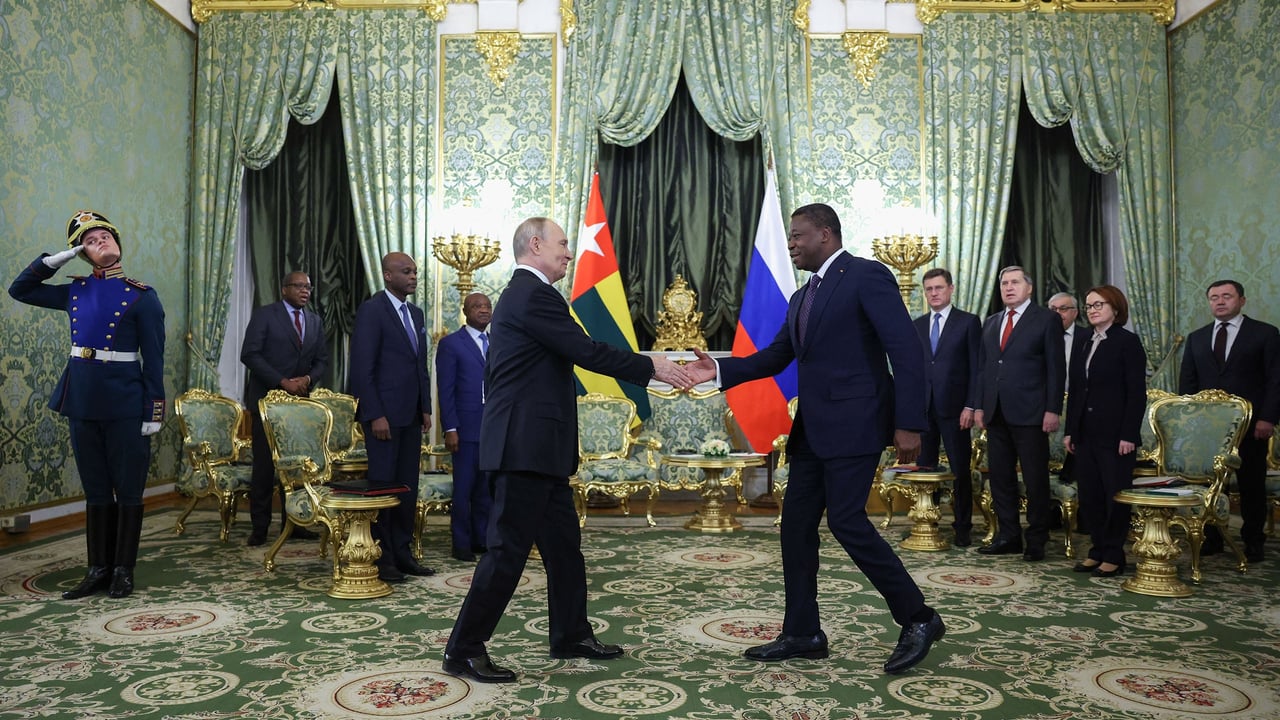
The West African nation of Togo is quietly reshaping its security strategy, forging new alliances to counter the escalating threat of jihadist groups spreading across the Sahel. Recent moves suggest a deliberate pivot toward international partners, with Lomé engaging both Turkey and Russia’s Africa Corps in a bid to bolster its defense capabilities.
This strategic shift reflects growing apprehension over the persistent instability in neighboring countries, where armed factions continue to exploit porous borders. Observers note that Togo’s engagement with Ankara has centered on acquiring aerial support and logistical assistance, while Moscow’s Africa Corps has emerged as a key player in recent security arrangements.
Lomé’s evolving security partnerships
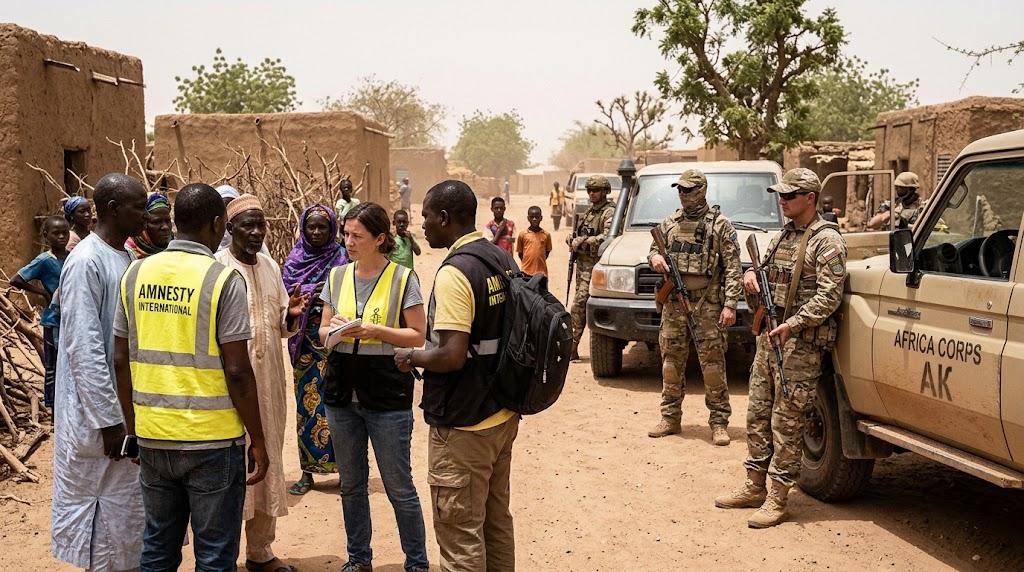
Since 2025, Togo has been quietly negotiating defense agreements that go beyond traditional bilateral cooperation. The Africa Corps, Moscow’s specialized military unit deployed across the continent, has reportedly established a presence in the country, offering training and equipment to local forces. Meanwhile, Turkey’s role has expanded beyond economic ties, with Ankara providing drones and intelligence-sharing mechanisms to enhance Togo’s surveillance over its northern regions.
The Togolese government has not publicly detailed the specifics of these collaborations, but insiders suggest that the arrangements are designed to address the dual threat of cross-border attacks and domestic extremist cells. The country’s northern Savanes region, bordering Burkina Faso, has become a focal point of these efforts, with authorities acknowledging the need for robust counterterrorism measures.
Faure Gnassingbé’s balancing act
Under President Faure Gnassingbé, who has led the country since 2005, Togo has maintained a delicate balance between traditional allies and emerging partners. While Western nations have historically dominated the security landscape in West Africa, Lomé’s recent overtures to Moscow and Ankara signal a willingness to diversify its defense relationships. This approach aligns with a broader trend across the Sahel, where governments are reassessing their strategic options amid shifting global alliances.
Critics argue that such partnerships could introduce new complexities, particularly given the controversial reputation of the Africa Corps in other African states. However, proponents contend that Togo’s proactive stance is necessary to preempt potential threats before they materialize on its soil. The government has emphasized that these collaborations remain within the framework of international law and regional security protocols.
What’s next for Togo’s security strategy?
The coming months will reveal whether these alliances translate into tangible improvements in Togo’s ability to combat extremism. With jihadist groups continuing to exploit weak governance in the Sahel, Lomé’s decision to expand its security network underscores the urgency of the situation. Whether through Russian military support or Turkish technological aid, Togo is positioning itself at the forefront of a new era in West African defense cooperation.


 Mariama Hamani