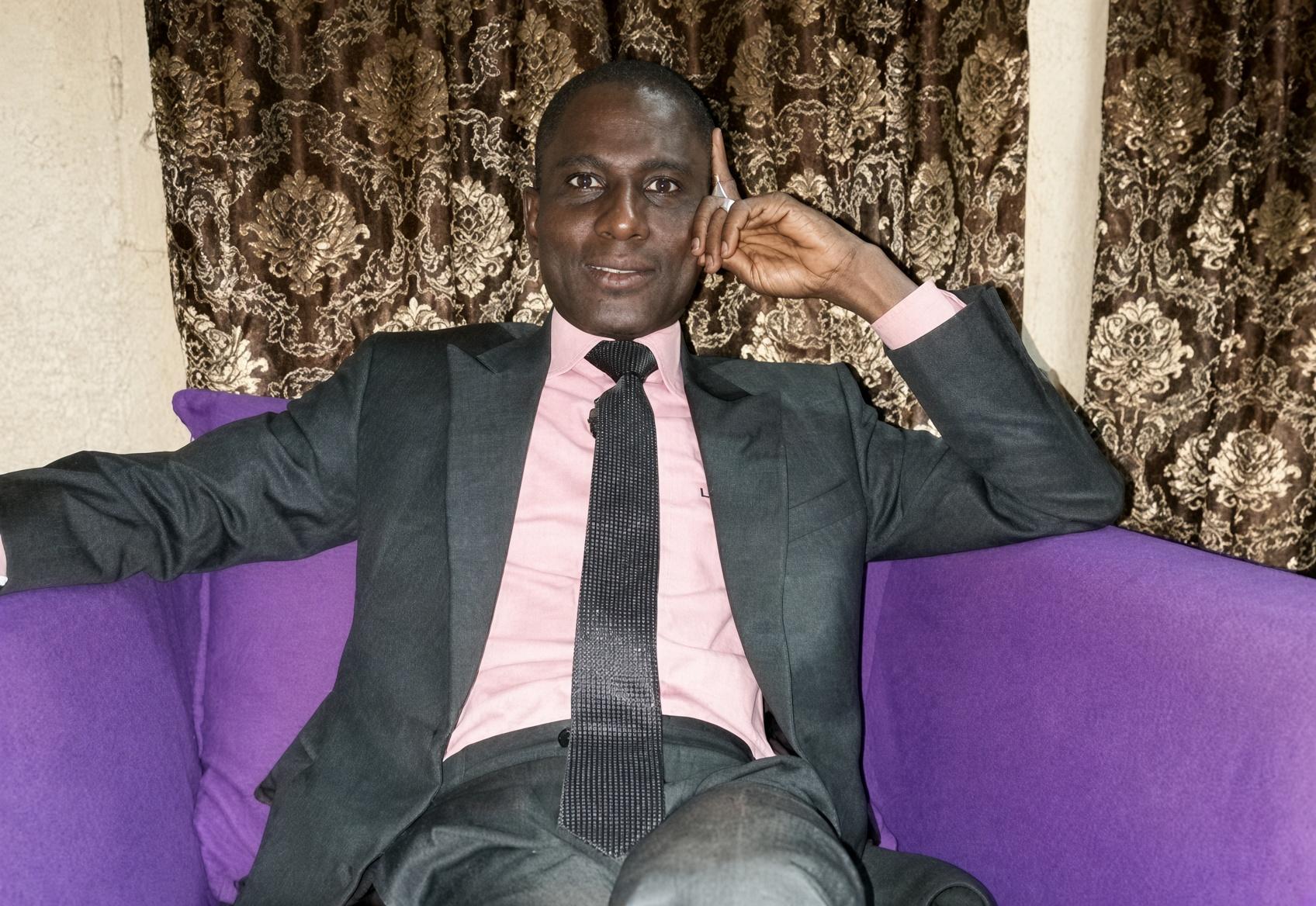
Boureima Amadou
One month of silence, and a country left guessing
In Niger, the pressure on independent journalism has now stretched past the one-month mark, and the consequences are rippling far beyond newsrooms. Moussa Kaka, a veteran broadcaster and long-standing correspondent in Niamey, was taken into custody a month ago, and no formal explanation has been made public since. What began as a disturbing piece of news has settled into a daily reality of uncertainty that is being felt in markets, offices, family homes and community gathering places across the capital.
For citizens who relied on his reporting to understand the country’s political, social and security developments, the absence is not abstract. It has created a vacuum in the flow of reliable information at a time when clarity is already scarce.
No charges, no clarity: what a month of detention means for daily life
Thirty days have passed since Kaka was taken from his routine work and placed in detention by state security services. In that time, neither judicial nor military authorities have publicly brought any formal charge against him. That prolonged absence of official justification has deepened anxiety about his health, the conditions of his detention and the basic legal protections that should apply to any detainee.
For his family and colleagues, the persistent silence amounts to confirmation that the measure is arbitrary. It also raises a troubling question for the wider public: if a journalist of his experience and standing can be held without explanation, what does that mean for ordinary citizens who speak up, report abuses or simply seek accurate news?
A chilling effect that reaches the economy
The fallout is not confined to press freedom advocates. In a climate where information is harder to verify, businesses face greater uncertainty, investors grow more cautious and local entrepreneurs struggle to assess risks. When independent voices are silenced, the public loses a key tool for holding power accountable, and that gap tends to show up in lower trust, weaker civic participation and a more fragile business environment.
Colleagues and rights defenders keep up the pressure
Fellow journalists and free-press advocates have continued to demand Kaka’s immediate and unconditional release. They point to his decades of professional work covering Niger’s political, social and security affairs, and they insist that nothing in his record justifies detention.
“Absolutely nothing justifies this arrest,” they say, describing it as an unacceptable obstacle to the work of informing the public and a denial of justice that drags on week after week. For many in the profession, the case has become a symbol of the risks that come with simply doing their jobs.
A regional pattern: pressure on the press across the Sahel
Kaka’s prolonged detention fits into a broader narrowing of democratic space and media freedom across the central Sahel. Since military governments took power in the region, independent journalists and foreign correspondents have faced mounting pressure, broadcast suspensions and direct threats.
Other emblematic cases reinforce the pattern. Soumana Idrissa Maïga, publication director of the daily L’Enquêteur, has been charged with undermining national defense. Blogger and journalist Samira Sabou has been repeatedly targeted. Together, these cases paint an alarming picture of deteriorating press freedom.
Why this matters for citizens and the wider region
As national, regional and international mobilization continues after a month of silence, the affair illustrates the extreme risks that information professionals face daily to report on conditions on the ground in Niger. The consequences extend to the public’s ability to make informed decisions, to hold leaders accountable and to participate meaningfully in civic life. When reporting is constrained, the cost is paid not only by journalists but by the communities they serve — and by an economy that depends on transparency to function.


 Mariama Hamani