Mariama Hamani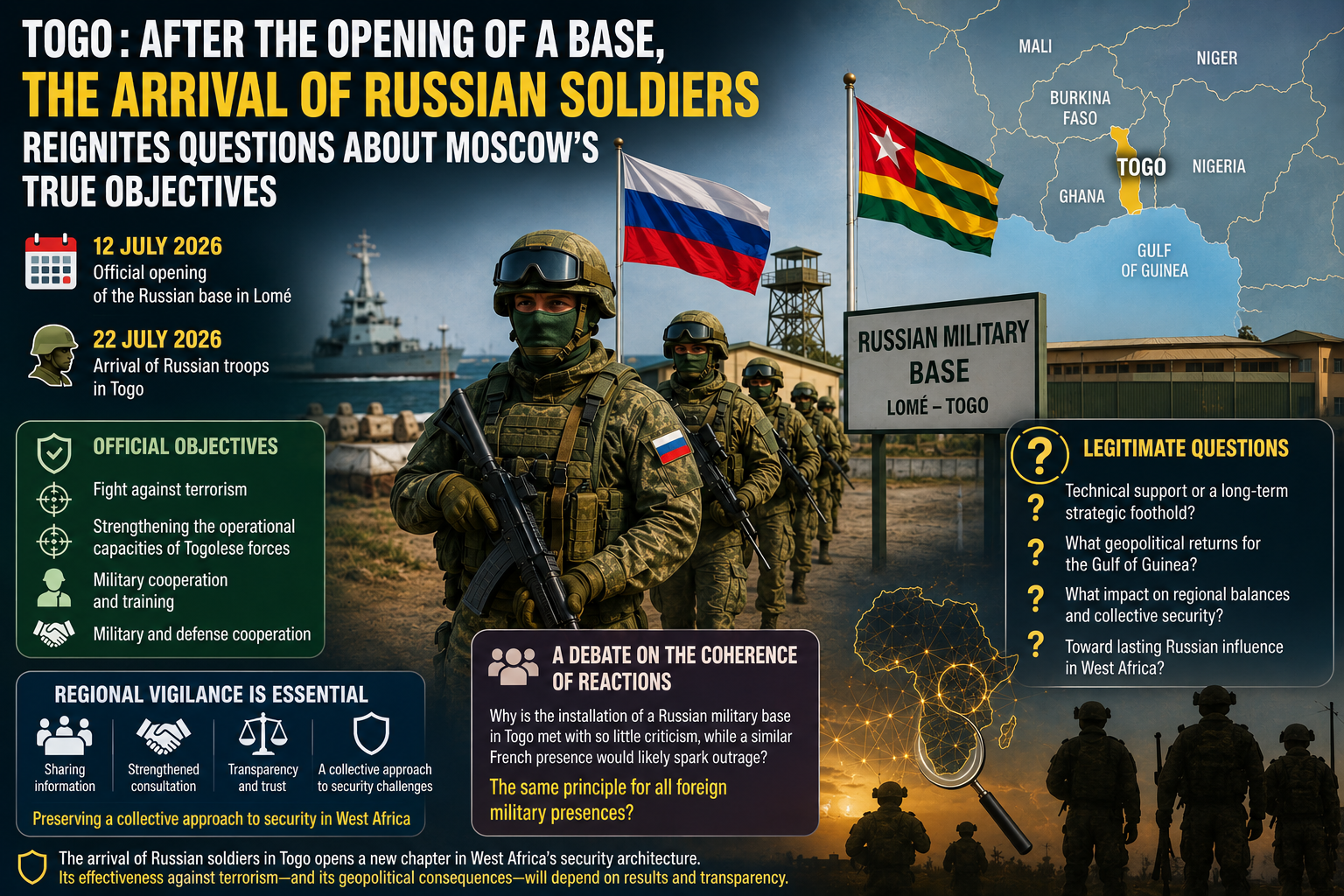
Togo has entered a new phase in its defense partnerships following the confirmed arrival of Russian military personnel in early July 2026. The deployment, which coincides with the recent establishment of a Russian military base in Lomé, underscores the deepening military ties between Togo and Moscow. While officials in Lomé describe the move as a collaborative effort to combat terrorism and bolster local counterinsurgency capabilities, the development has sparked broader discussions about the long-term implications of foreign military presence in West Africa.
Moscow’s expanding footprint in West Africa
Russia’s gradual strengthening of its military and security cooperation across Africa is not new. Over the past decade, Moscow has secured defense agreements, provided training to local forces, supplied military hardware, and in several cases, stationed personnel in partner countries. The deployment of Russian troops to Togo aligns with this broader strategy, which seeks to expand Moscow’s strategic influence on the continent.
The arrival of these soldiers raises critical questions about the nature and scope of this cooperation. Is the initiative primarily focused on providing technical and operational support to address the persistent terrorist threats in northern Togo, or does it signal a more profound ambition to embed Russia within the geopolitical landscape of the Gulf of Guinea? The answer will likely shape the future of regional security dynamics.
Divergent reactions to foreign military presence
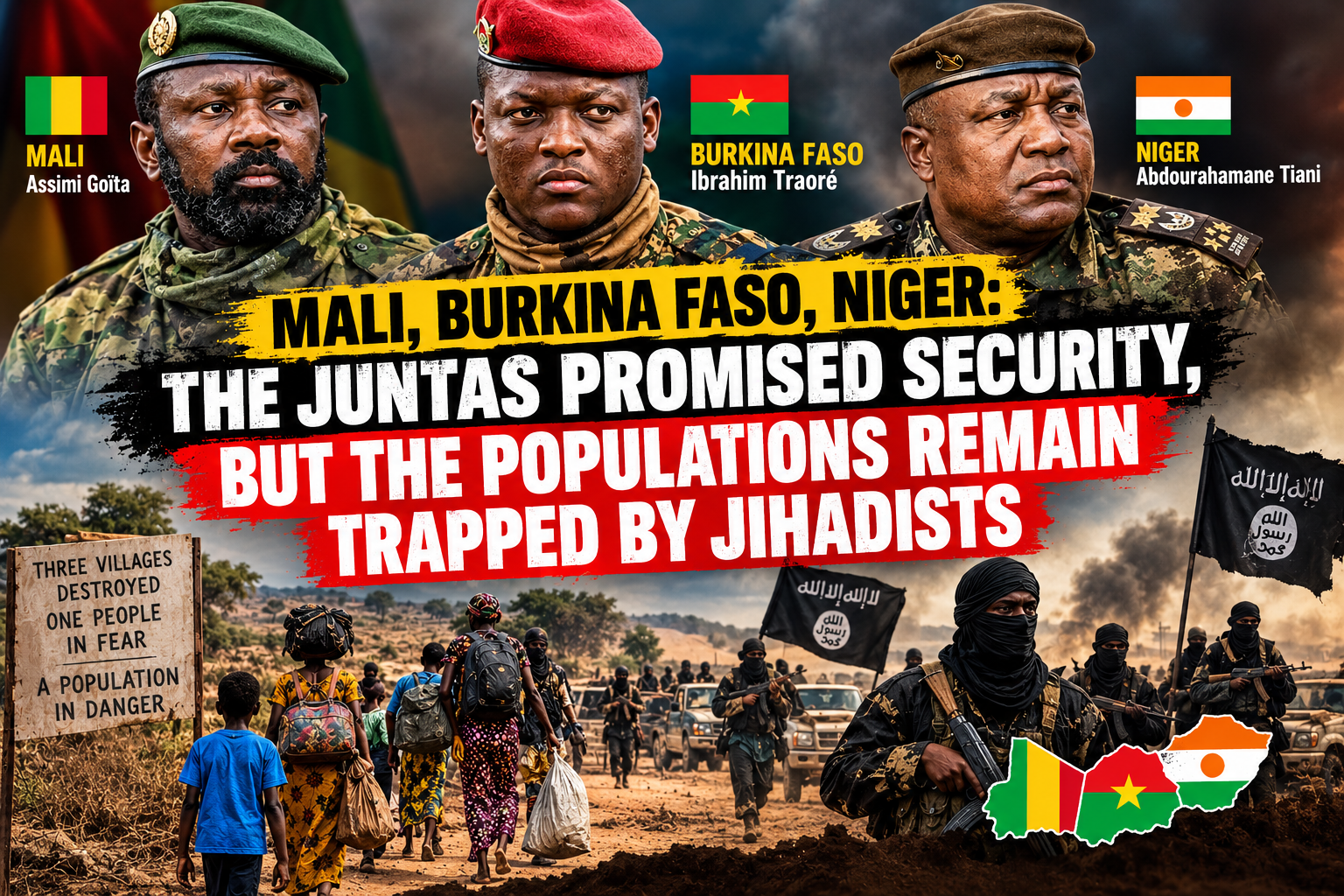
The arrival of Russian forces has also reignited debates about the consistency of international responses to foreign military engagements in Africa. Observers have pointed out a striking contrast in public reactions when comparing this development to similar scenarios involving Western partners. For instance, the establishment of a French military base in Togo under comparable circumstances would likely have triggered far more vocal opposition, particularly from governments in the Alliance of Sahel States (AES) and their allies, who have frequently criticized Western military presence in West Africa, labeling it as interference or a destabilizing force.
In contrast, the establishment of a Russian base and the deployment of its troops have, so far, met with relatively muted criticism in the same circles. This disparity has prompted some analysts to question whether the opposition to foreign military presence is based on principle or influenced by geopolitical alignments. The inconsistency in responses, they argue, risks undermining the credibility of sovereignty-based arguments and calls for a more transparent framework for evaluating such partnerships.
A call for regional vigilance
For neighboring countries, the evolving security landscape in Togo demands heightened attention. While recognizing Lomé’s sovereign right to forge defense partnerships, regional stakeholders must closely monitor the implications of this cooperation for collective security, regional cooperation mechanisms, and diplomatic balances in West Africa. The cross-border nature of terrorism and the intensifying competition among external powers for influence amplify the need for vigilance.
Transparency, in this context, emerges as a cornerstone of trust. Strengthening information-sharing and consultation mechanisms could help mitigate misunderstandings and foster a unified approach to addressing shared security challenges. The effectiveness of this military cooperation will ultimately be measured not only by its impact on counterterrorism efforts in Togo but also by its broader influence on regional stability and geopolitical dynamics.
The establishment of a Russian military presence in Togo marks a pivotal moment in West Africa’s security architecture. Its outcomes—whether operational successes or geopolitical ripple effects—will unfold in the coming months, offering a clearer picture of how external military partnerships shape the region’s future.


 Boureima Amadou