Boureima Amadou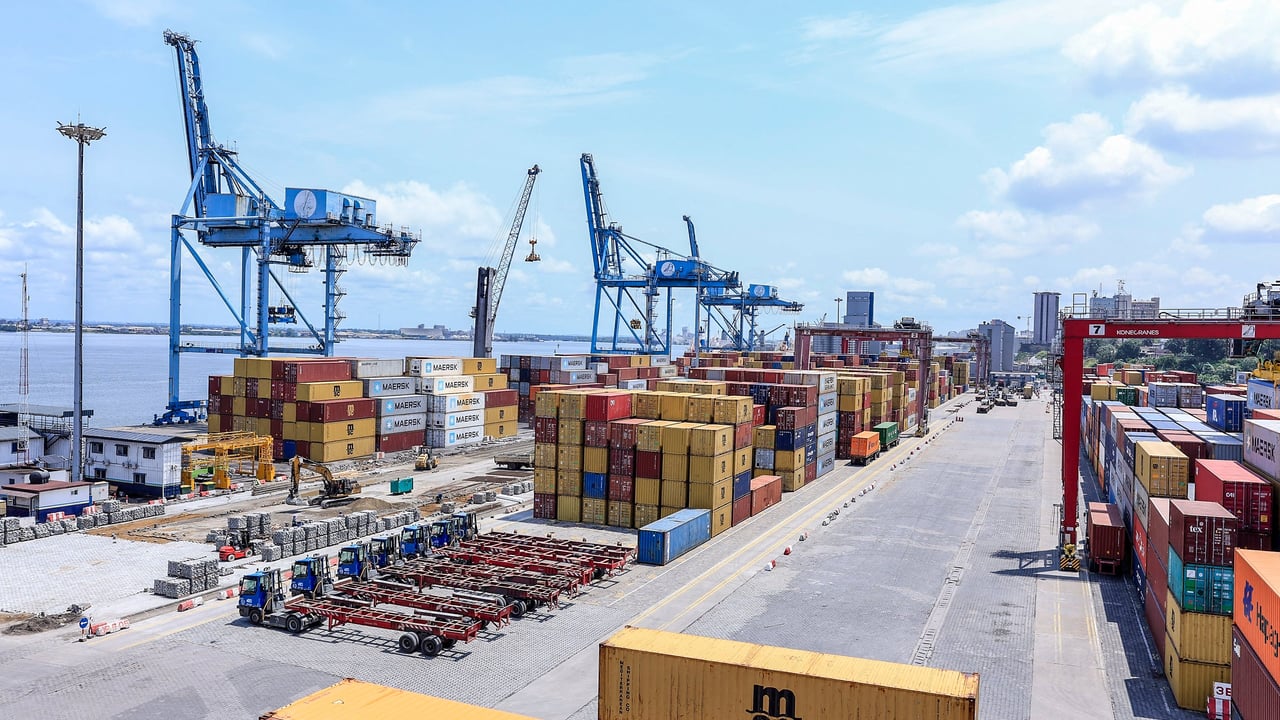

At the heart of Central Africa, Cameroon stands on the brink of an economic paradox: billions in development loans remain unutilized, despite pressing infrastructure and social needs. The country’s ports, highways, and energy grids demand urgent upgrades, yet a significant portion of available financing sits idle. This disconnect between resources and deployment raises critical questions about governance, efficiency, and the country’s growth trajectory.
Where do these development funds come from?
Cameroon’s financial lifeline includes substantial loans from two of Africa’s most influential institutions. The African Development Bank and the World Bank have collectively extended billions in concessional financing over the past decade. These loans, designed to bolster economic resilience and public services, target sectors like transportation, healthcare, and education. Yet, despite their intended purpose, a portion of these funds has yet to reach the projects they were meant to support.
Barriers to effective loan utilization
The reasons behind this underutilization are multifaceted. Bureaucratic hurdles, complex procurement processes, and administrative delays often stall project implementation. In some cases, local governments lack the technical capacity to manage large-scale infrastructure initiatives, leading to stalled approvals or mismanagement of funds. Meanwhile, communities continue to face shortages in essential services, from reliable electricity to accessible healthcare.
Another challenge lies in the alignment of loan disbursements with national priorities. While international lenders set broad objectives, Cameroon’s government must navigate competing demands, balancing debt servicing with immediate development needs. This balancing act sometimes results in delayed or deferred projects, leaving critical gaps in the country’s infrastructure.
Real-world impact on Cameroon’s economy
The repercussions of underutilized loans extend beyond missed opportunities. Ports like Douala, a vital economic gateway, remain congested due to insufficient modernization. Energy deficits persist despite renewable energy commitments, and rural communities still lack access to basic utilities. These gaps not only hinder economic productivity but also exacerbate social inequalities, particularly in regions outside major urban centers.
For instance, the World Bank-funded road rehabilitation projects in the West Region have faced repeated postponements. While the loans were approved to improve connectivity and trade, the delays have left farmers and businesses in limbo, unable to fully capitalize on market access. Similarly, African Development Bank financing for Douala’s port expansion has encountered unforeseen regulatory hurdles, slowing progress and increasing costs.
Potential solutions to unlock trapped capital
To address these challenges, experts advocate for streamlined governance frameworks that prioritize transparency and efficiency. Strengthening local institutions to manage funds effectively is crucial. Public-private partnerships could also play a transformative role, bringing in technical expertise and accelerating project delivery. Additionally, aligning loan disbursements with clear, measurable milestones can help ensure that funds are deployed where they are most needed.
The stakes are high. With global economic uncertainties and rising debt burdens, Cameroon cannot afford to let billions in development potential go to waste. The time to act is now—before these funds lose their relevance in an evolving economic landscape.