Boureima Amadou
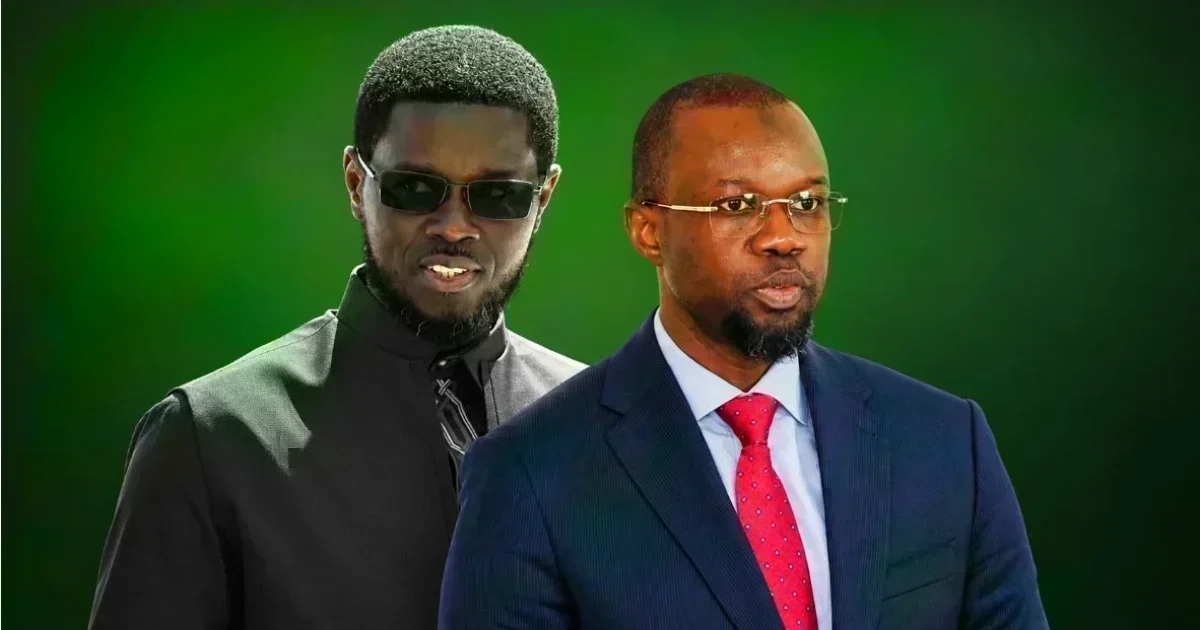
Senegal’s political landscape is facing intense scrutiny as mounting contradictions between president Bassirou Diomaye Faye and opposition leader Ousmane Sonko come under sharp criticism. The shifting stances of both figures—once united in their reformist agenda—are now raising serious questions about their commitment to national priorities.
Contradictory decisions fuel public discontent
Political analyst Ndiaga Sylla points to a widening gap between rhetoric and action. Sonko, now opposition leader, has taken a firm stand against positions he once endorsed as prime minister, while President Faye has unexpectedly reversed course on key policies he previously rejected. These reversals have intensified concerns over the lack of consistency in governance.
Sylla highlights four critical areas where conflicting actions undermine credibility: political funding transparency, debt management, political migration of officials, and overlapping mandates. These were once central pillars of the duo’s campaign promise to break from the past—yet today, both leaders are accused of abandoning those principles.
Public priorities overshadowed by power struggles
The analyst shifts focus to what he calls the real issue: Who is truly addressing the daily hardships faced by Senegalese citizens? Rising living costs, unemployment and limited access to essential services continue to plague households nationwide. Sylla argues that political maneuvering has sidelined urgent social reforms.
He stresses that public credibility rests not on political declarations but on consistent, measurable actions. “In a democracy, credibility is built through disciplined execution of stated goals—not through shifting positions,” he asserts. His final plea: leaders must prioritize Senegal’s people above all else.
Public expectations clash with political reality
As the rift deepens, citizens increasingly voice frustration over the gap between campaign promises and governance outcomes. The shifting alliances and policy reversals have left many questioning whether the current leadership can deliver the promised change—or if political power has become the end goal.

 Mariama Hamani