Boureima Amadou
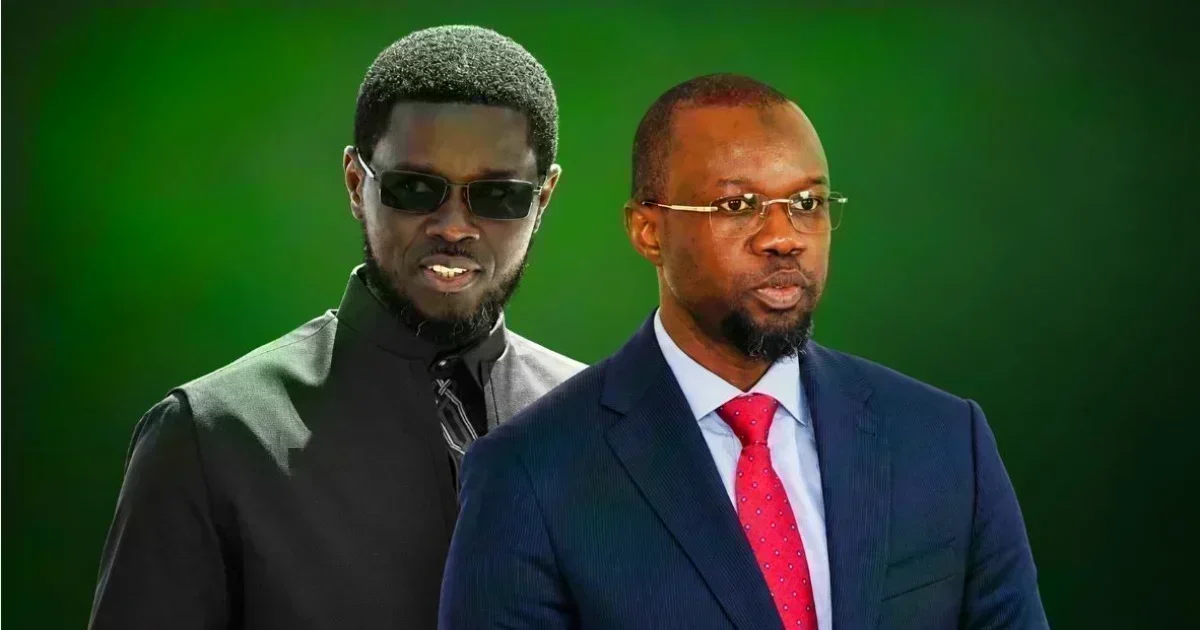
In Senegal, Prime Minister Ousmane Sonko has launched a bold political offensive. Addressing supporters and through a series of public appearances, the leader of the Pastef party has intensified his criticism of opponents while also targeting some allies within the ruling coalition. This dynamic unfolds as observers dissect the evolving power dynamics between the head of government and President Bassirou Diomaye Faye, a relationship marked by contradictory interpretations in regional media. From Dakar to international capitals, analysts are closely monitoring the shifting balance of influence within the party that assumed power in March 2024.
Recalibrating political messaging in Dakar
The Prime Minister’s recent tone contrasts sharply with the cautious approach he adopted during the early months of his tenure. Ousmane Sonko is now publicly addressing grievances with segments of Senegal’s political establishment, including figures from the former regime and civil society accused of covert operations. This strategy, noted in African press reviews, appears designed to reclaim media space and reassert his dominance within the ruling coalition.
His primary audience remains the party’s grassroots supporters. Pastef, a party that was dissolved and later reinstated before the presidential election, retains significant political capital, particularly in urban centers and among young voters. By reviving a discourse centered on radical change, Sonko seeks to reinforce the legitimacy he secured through the November 2024 legislative elections, which solidified his movement’s stronghold in the National Assembly.
Marginalized allies within the state apparatus
The Prime Minister’s public stance comes amid growing internal tensions. Several of his close associates, long considered pillars of the Pastef project, have been sidelined from key government positions and strategic administrative roles. This exclusion has fueled quiet discontent within the party, with some questioning whether the administration’s initial vision is being diluted in favor of presidential compromises perceived as too accommodating to pre-existing power structures.
The rift is not overt, but its signs are unmistakable. Veteran party cadres, many of whom have kept a low profile since the party’s rise to power, find their influence waning in favor of technocratic profiles recruited around the presidency. By addressing his supporters directly, Sonko aims to reaffirm that the ideological foundation of the government remains rooted in Pastef’s principles. This move serves a dual purpose: reassuring disillusioned members while sending a subtle message to the presidential palace.
The broader implications of a leadership struggle
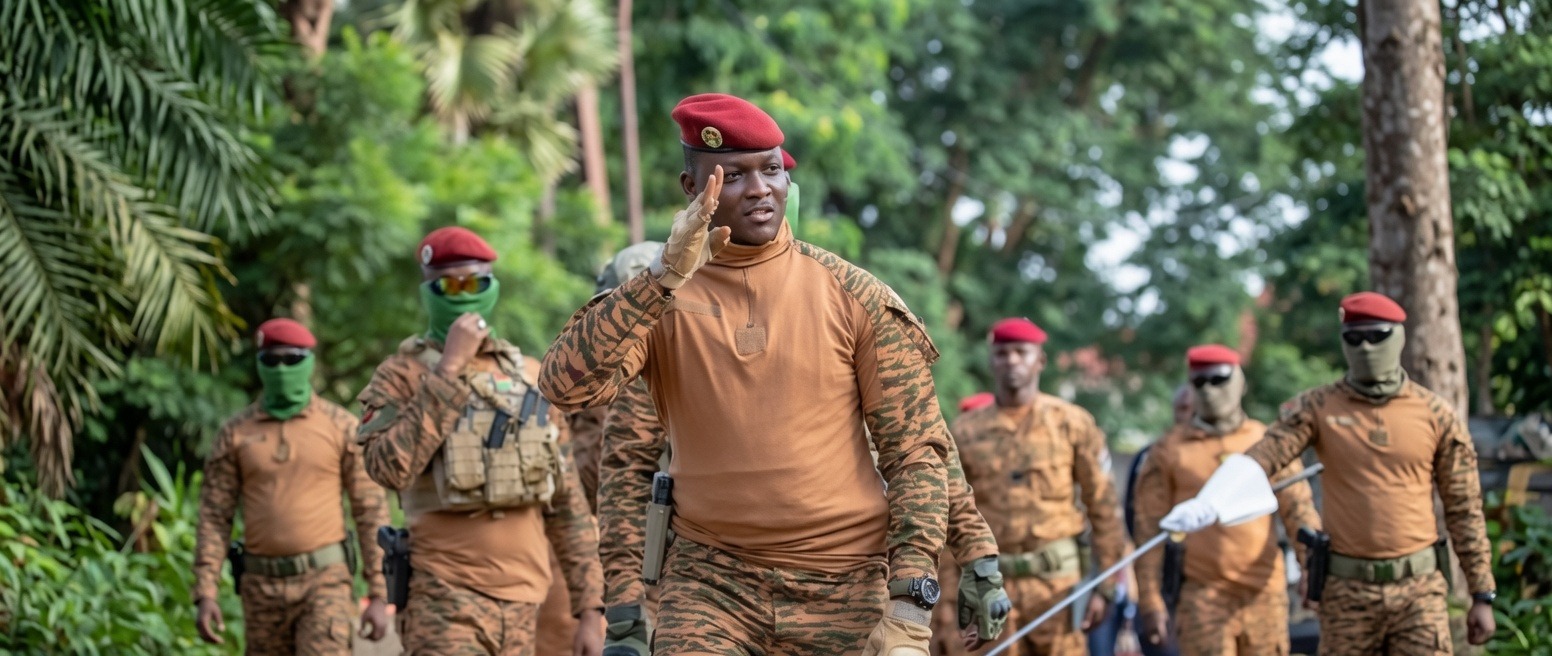
Beyond Senegal’s borders, the quiet power struggle between the Prime Minister’s office and the presidency is being closely watched by regional diplomats. Senegal’s stabilizing role in West Africa—amid the Sahel’s instability and the ongoing restructuring of the Economic Community of West African States (ECOWAS)—makes any internal divisions at the highest levels a matter of regional concern. A fracture within Senegal’s executive could undermine its diplomatic leverage, particularly in mediation efforts involving the military-led governments of Mali, Burkina Faso, and Niger.
For investors and international partners, the coherence of the executive tandem is a critical factor. Ongoing negotiations with the International Monetary Fund (IMF) over debt sustainability—following revelations of deteriorating public finances inherited from former President Macky Sall’s administration—demand a unified government stance. Yet the Prime Minister’s public statements, often interpreted as personal assertions, risk complicating the official narrative on fiscal reforms and structural adjustments outlined in the Senegal 2050 roadmap.
Despite these challenges, Ousmane Sonko holds significant advantages. His parliamentary majority, strong appeal among voters under 30, and control over the party apparatus provide him with rare leverage for a head of government. The key question now is whether this verbal offensive signals an impending cabinet reshuffle, a strategic realignment of the government’s program, or simply an attempt by Sonko to consolidate his authority within his own political movement. This moment undeniably marks a new chapter in Senegal’s political landscape.