Boureima Amadou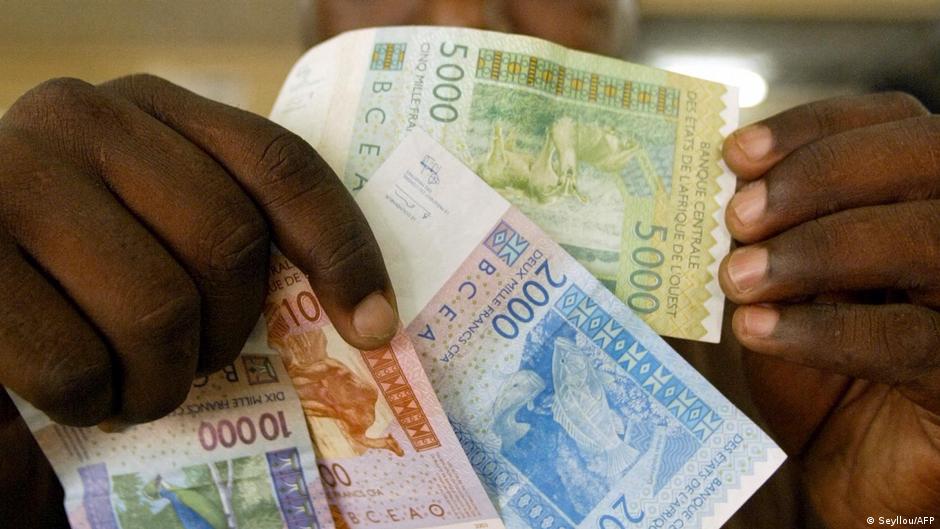
Dakar conference examines sustainable solutions to Senegal’s debt dilemma
For two days, Dakar has been the epicenter of discussions on Senegal’s debt crisis, with experts, economists, and former officials gathering to explore innovative alternatives to International Monetary Fund (IMF) austerity measures. The conference, titled “Senegal’s Debt Crisis: Moving Toward Progressive, Sustainable Solutions Beyond IMF Austerity,” reflects a growing consensus that traditional debt management approaches are failing the nation.
This landmark event, part of a broader African debt discourse, brings together leading voices in economic policy to challenge conventional wisdom on debt resolution.
fierce criticism of the IMF’s role in Senegal’s debt trap
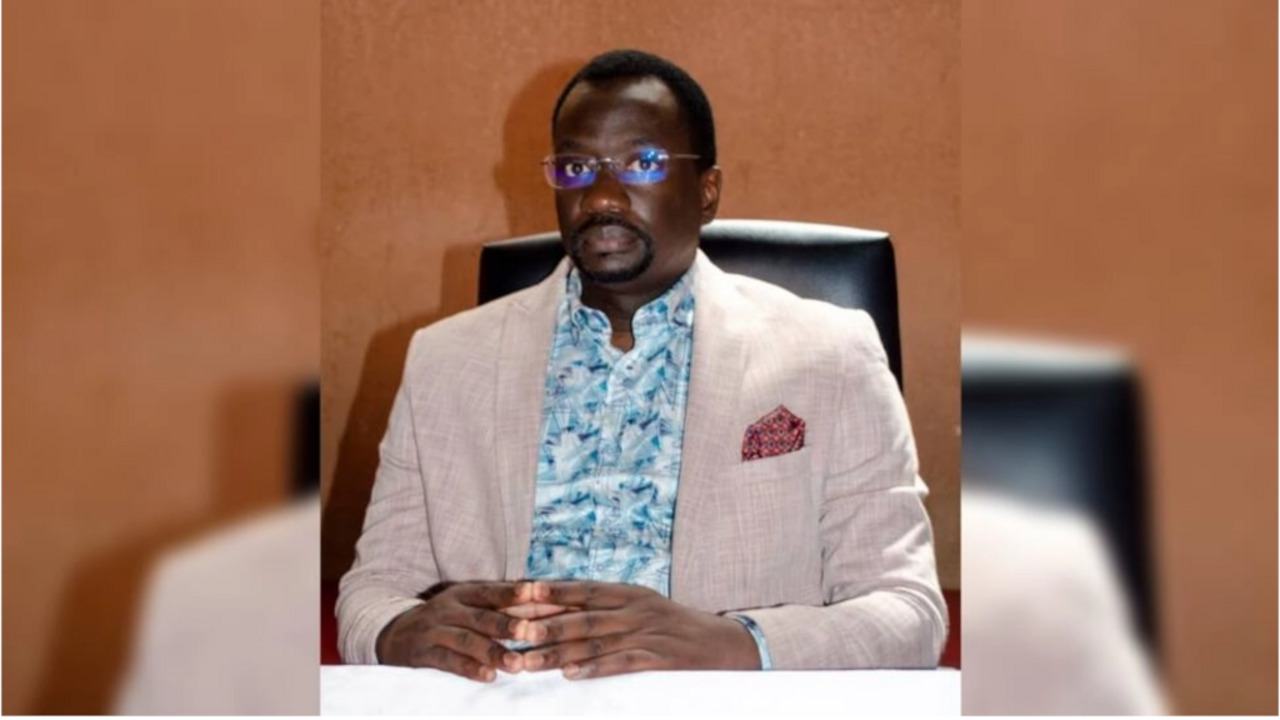
Ndongo Samba Sylla, a prominent Senegalese economist and regional director for Africa at the International Development Economics Associates (Ideas), delivered a scathing assessment of the IMF’s influence. In a packed auditorium, he argued that the Fund’s policies have actively contributed to Senegal’s debt crisis rather than resolving it.
“The IMF is not the solution to Senegal’s debt problems—it is part of the problem,” Sylla declared. “The IMF maintains debt traps by prioritizing creditor interests over debtor nations. Its pro-creditor approach is often exploited by global powers like the United States and France for geopolitical leverage.”
The economist emphasized that highly indebted nations are frequently those aligned with Western interests, reinforcing a cycle of dependency. “The IMF will never be the solution for Senegal or any country trapped in this system,” he asserted.
franc cfa and debt: a complex debate among economists
While Sylla highlighted the franc CFA as a structural obstacle, others, like Alioune Tine, founder of the Afrikajom Center, rejected this view. Tine framed Senegal’s debt crisis as fundamentally political rather than monetary.
“The debt issue must be addressed collectively by all indebted African nations,” Tine argued. “Only through unified resistance can we reject austerity policies that suffocate our economies. Sovereignty in economic policy is meaningless without collective bargaining power.”
Sénégal’s debt exceeds 130% of GDP
An investigation by Prime Minister Ousmane Sonko in late 2024 revealed hidden debts and budgetary irregularities inherited from the previous administration. The IMF later confirmed that Senegal’s debt had surpassed 130% of GDP, sparking urgent calls for cancellation.
Economists like Sylla advocate for debt repudiation, asserting that “illegitimate debts should not be repaid.” He proposed that with a functional central bank, debt servicing could occur without crippling state budgets. Tine, however, urged a pragmatic approach, warning against isolationist tendencies in a globalized economy where power dynamics are skewed.
government unveils measures to curb future debt crises
The ruling Pastef-Les Patriotes party has responded to the crisis with proposed legislative reforms. Ayib Daffé, parliamentary group leader, stressed the need for “enhanced parliamentary oversight and fiscal transparency to prevent future debt mismanagement.” He emphasized that budgetary laws must adhere to principles of honesty and accountability.
Meanwhile, President Bassirou Diomaye Faye met with IMF Managing Director Kristalina Georgieva in Nairobi this week. The meeting aimed to “explore viable pathways for Senegal, which has faced economic stagnation for over two years,” according to presidential sources.