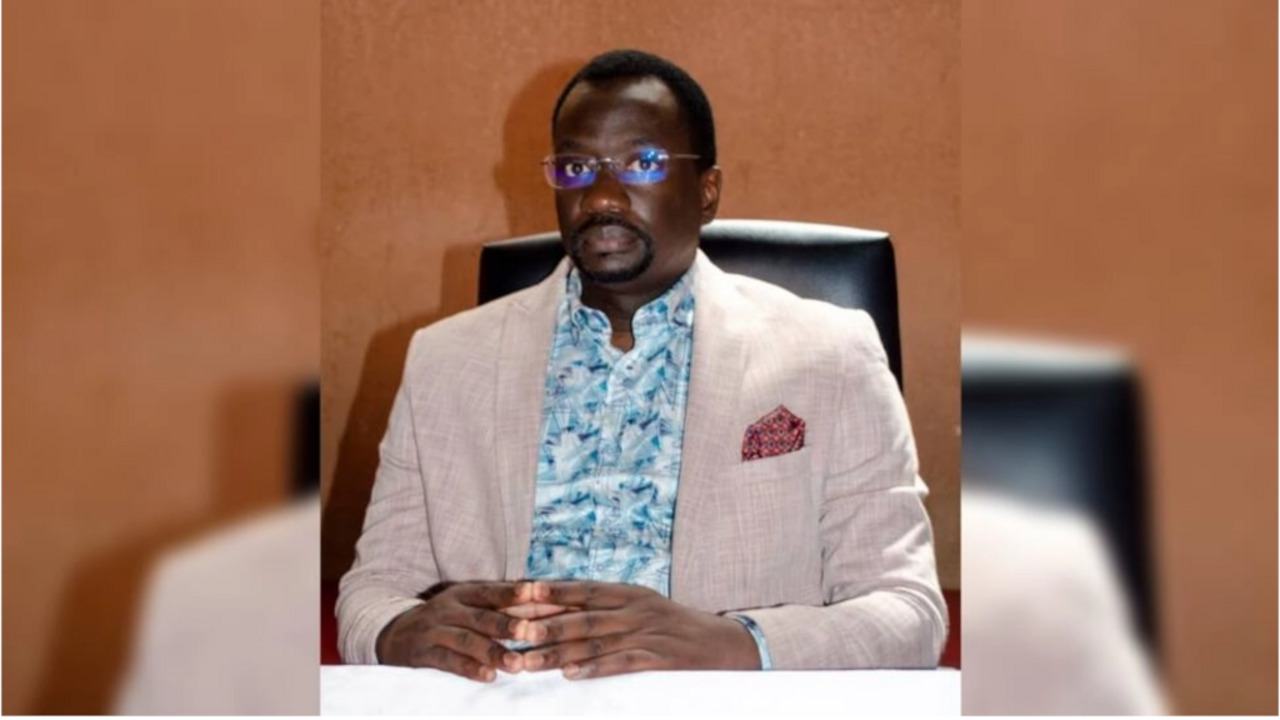
Boureima Amadou
In Senegal, the once-solid partnership between President Bassirou Diomaye Faye and Prime Minister Ousmane Sonko has taken a sharp turn, sparking intense debate within political circles. Abdou Mbow, a prominent figure from the opposition Takku Wallu parliamentary group and the Alliance for the Republic (APR), has publicly framed the current situation as a political standoff compounded by an institutional crisis. His assessment underscores the growing perception of a fractured executive branch, as contradictory signals from the highest levels of government continue to emerge.
unraveling unity at the top
The political alliance between Bassirou Diomaye Faye and Ousmane Sonko was forged on a shared vision of transformation in March 2024. Together, they represented a dual leadership model championed by the Pastef party, where responsibilities were meant to flow seamlessly between the presidency and the prime minister’s office. However, recent months have revealed widening cracks in this arrangement, particularly in areas such as reform implementation, handling of past judicial cases, and government communication strategies.
According to Abdou Mbow, these inconsistencies are no longer mere noise—they signal a silent power struggle between two competing centers of authority. The crux of the issue lies in the delicate balance of power, where Ousmane Sonko, as the unchallenged leader of Pastef and victorious electoral figurehead, vies for influence against a president constitutionally vested with ultimate executive authority.
opposition seizes on the divide
The APR, led by former President Macky Sall, is leveraging these internal tensions to regain political relevance. After suffering defeats in both the presidential and legislative elections, the party is reframing itself as a guardian of institutional stability. Takku Wallu, the dominant opposition bloc in the National Assembly, has intensified its rhetoric, portraying the executive’s internal friction as a potential institutional paralysis.
By labeling the situation a crisis of institutions, Abdou Mbow shifts the narrative from partisan politics to national governance concerns. This tactic raises questions about the clarity and coherence of public decision-making, especially as Senegal undertakes critical initiatives like renegotiating mining and oil contracts, fiscal reforms, and the rollout of the Senegal 2050 Agenda—all of which demand uncompromising alignment between the presidency and the prime minister’s office.
economic stakes amplify the stakes
The fragility of the executive’s cohesion is further exposed by economic pressures. Recent audits commissioned by the new administration have unveiled a public debt level exceeding previous official estimates, complicating ongoing negotiations with the International Monetary Fund. Managing this financial burden, alongside potential revisions to hydrocarbon tax frameworks, requires a unified and decisive approach from both leadership figures.
Observers note a growing divergence in tone and strategy between President Faye’s institutional approach and Prime Minister Sonko’s more assertive public stance toward economic actors, media, and judicial bodies. What was once seen as a complementary division of roles is now being scrutinized as a potential liability by the opposition, which seeks to paint the executive as internally divided.
Despite these tensions, neither the presidency nor the prime minister’s office has acknowledged any open dispute. Official communications continue to project an image of unity during cabinet meetings and high-profile public engagements. Abdou Mbow’s remarks thus represent part of a broader narrative battle, where the APR aims to cement the idea of a weakened executive coalition in public opinion, while Pastef insists on presenting their collaboration as a well-coordinated partnership.
The stakes for Senegal extend beyond political infighting. The executive’s ability to present a united front will directly impact the confidence of international partners and financial institutions, particularly as the country negotiates new financing frameworks and finalizes revenue structures tied to the GTA and Sangomar oil fields.