Boureima Amadou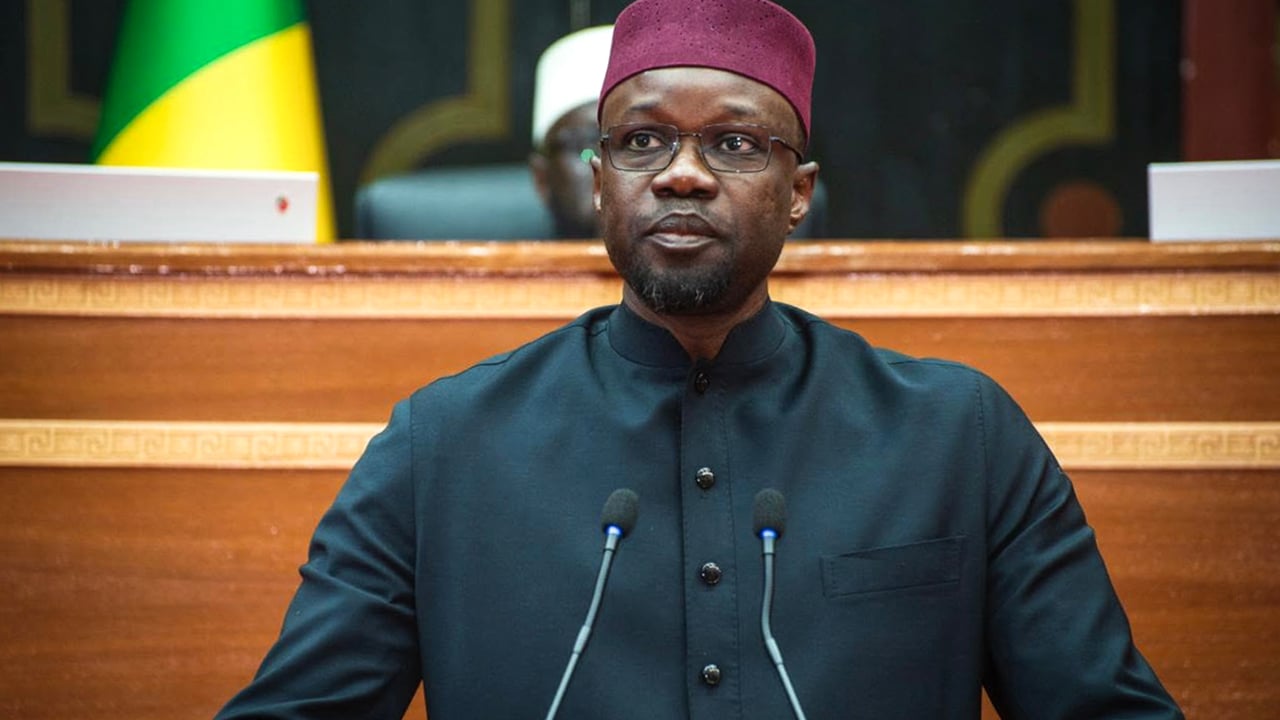

Senegal stands at a pivotal crossroads in its political journey, where the ambitions of the Pastef movement have encountered an unexpected roadblock. Repeated rulings from the Constitutional Council are reshaping the trajectory of what many believed would be an unstoppable political force. The question on everyone’s lips is no longer about if Pastef would rise—but how it will navigate this constitutional storm.
How constitutional blockades are redefining Senegal’s political landscape
The Constitutional Council’s recent decisions have sent shockwaves through Senegal’s political arena. Far from being mere legal technicalities, these rulings are creating a new set of rules that could determine the future of one of Africa’s most dynamic political movements. The council’s interventions have left analysts and citizens grappling with the implications:
- Legal uncertainty: Key political figures face mounting legal challenges that delay their participation in critical processes.
- Strategic delays: Decisions come at pivotal moments, disrupting momentum just as Pastef gains traction.
- Public trust erosion: Repeated interventions fuel skepticism about the fairness of Senegal’s democratic institutions.
The timing of these rulings cannot be dismissed as coincidental. They arrive when Pastef’s influence is at its peak, threatening to stall a political wave that has already reshaped Senegal’s democratic narrative.
From rising star to constitutional hurdle: Pastef’s unexpected challenge
Once hailed as the vanguard of Senegal’s political renewal, Pastef’s ascent was marked by historic victories and widespread public support. However, the Constitutional Council’s repeated interventions have introduced fresh obstacles. Leaders like Ousmane Sonko and Bassirou Diomaye Faye now find themselves navigating a maze of legal barriers that threaten to derail their political momentum.
Consider these critical turning points:
- Eligibility disputes: Legal challenges over political participation have stalled key endorsements.
- Institutional resistance: Some rulings appear to contradict the spirit of democratic participation.
- Public response: Supporters are rallying behind their leaders, transforming legal setbacks into calls for broader reform.
The council’s role, once perceived as a neutral arbiter, is now under intense scrutiny as its decisions increasingly shape the political destiny of millions.
What’s next for Pastef? Pathways through the constitutional maze
The path forward for Pastef is fraught with challenges, but not without potential solutions. The movement’s ability to adapt and strategize will determine whether it can turn these legal hurdles into stepping stones for greater influence. Key considerations include:
- Legal reforms: Push for clearer, more transparent rules governing political participation.
- Alliances and coalitions: Strengthen partnerships with like-minded movements to amplify collective bargaining power.
- Public mobilization: Continue leveraging grassroots support to pressure institutions for fairer treatment.
As Senegal’s political drama unfolds, the Constitutional Council remains at the center of a high-stakes showdown. The decisions made in the coming months could either solidify its role as a guardian of democracy or cement its reputation as an unintended obstacle to progress.
Can Senegal’s political future adapt to these challenges?
The answer lies in the hands of both institutions and citizens. If history is any guide, Senegal’s political resilience will be tested—but not broken. The question now is whether the country’s leaders and institutions can rise to the occasion and restore faith in a system that currently feels increasingly fragile.