Boureima Amadou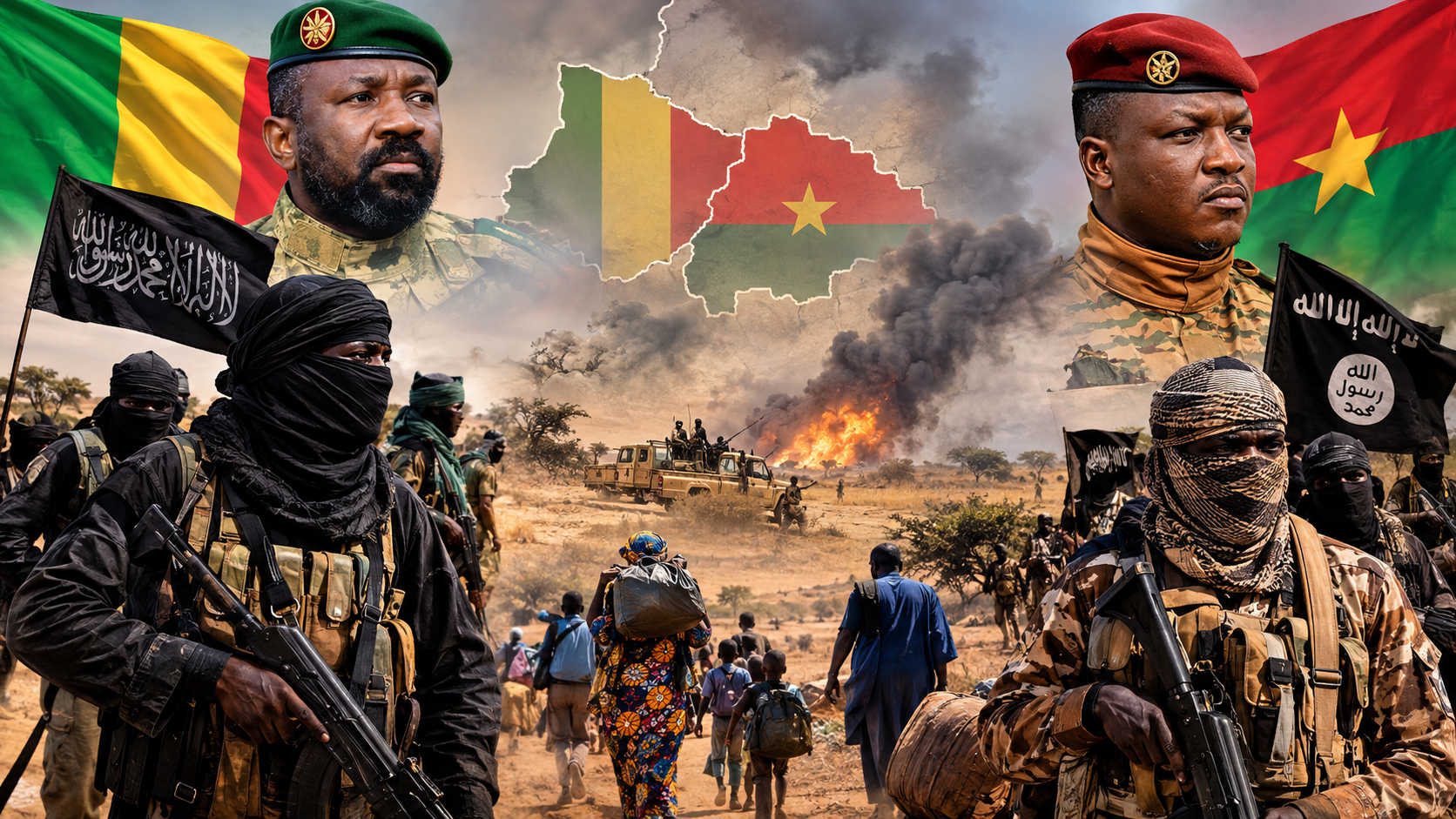
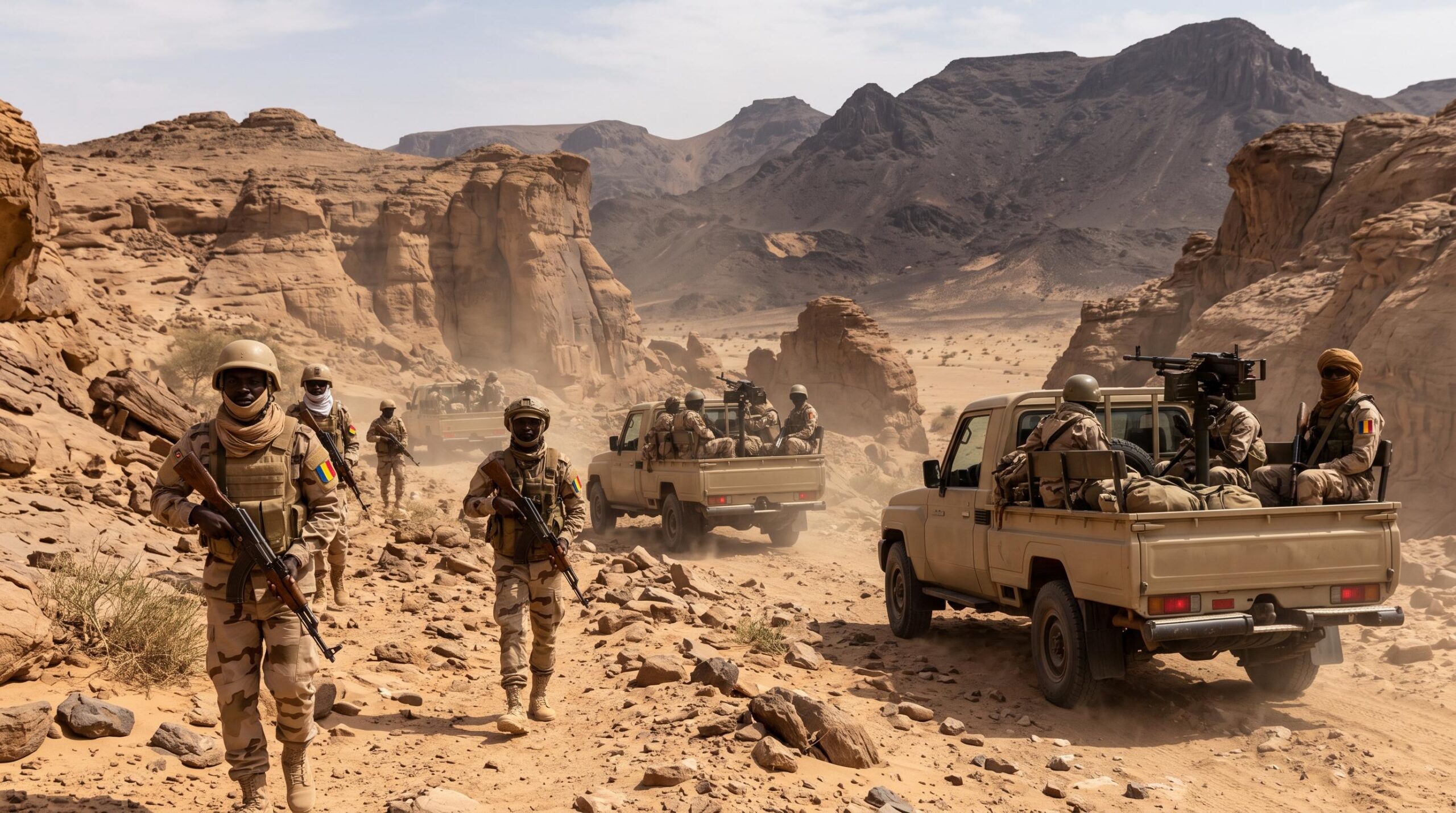
The volatile border region between Mali and Burkina Faso has emerged as a critical flashpoint in the Sahel’s escalating armed conflict. Recent violent clashes between fighters from the Group for the Support of Islam and Muslims (JNIM), an Al-Qaeda-affiliated faction, and those of the Islamic State in the Sahel (EIS) underscore a stark shift in the security landscape. These confrontations are not merely skirmishes but a decisive battle for territorial dominance, control over supply routes, and influence over local populations.
Military juntas face an unprecedented test
Since seizing power, the military juntas in both Mali and Burkina Faso have framed their governance around two core promises: restoring state sovereignty and reclaiming lost territories from jihadist groups. Yet, despite repeated military operations and public assurances, the borderlands remain contested zones where armed factions dictate the terms of engagement. The persistent inability of national forces to establish lasting control has raised pressing questions about the effectiveness of their counterterrorism strategies.
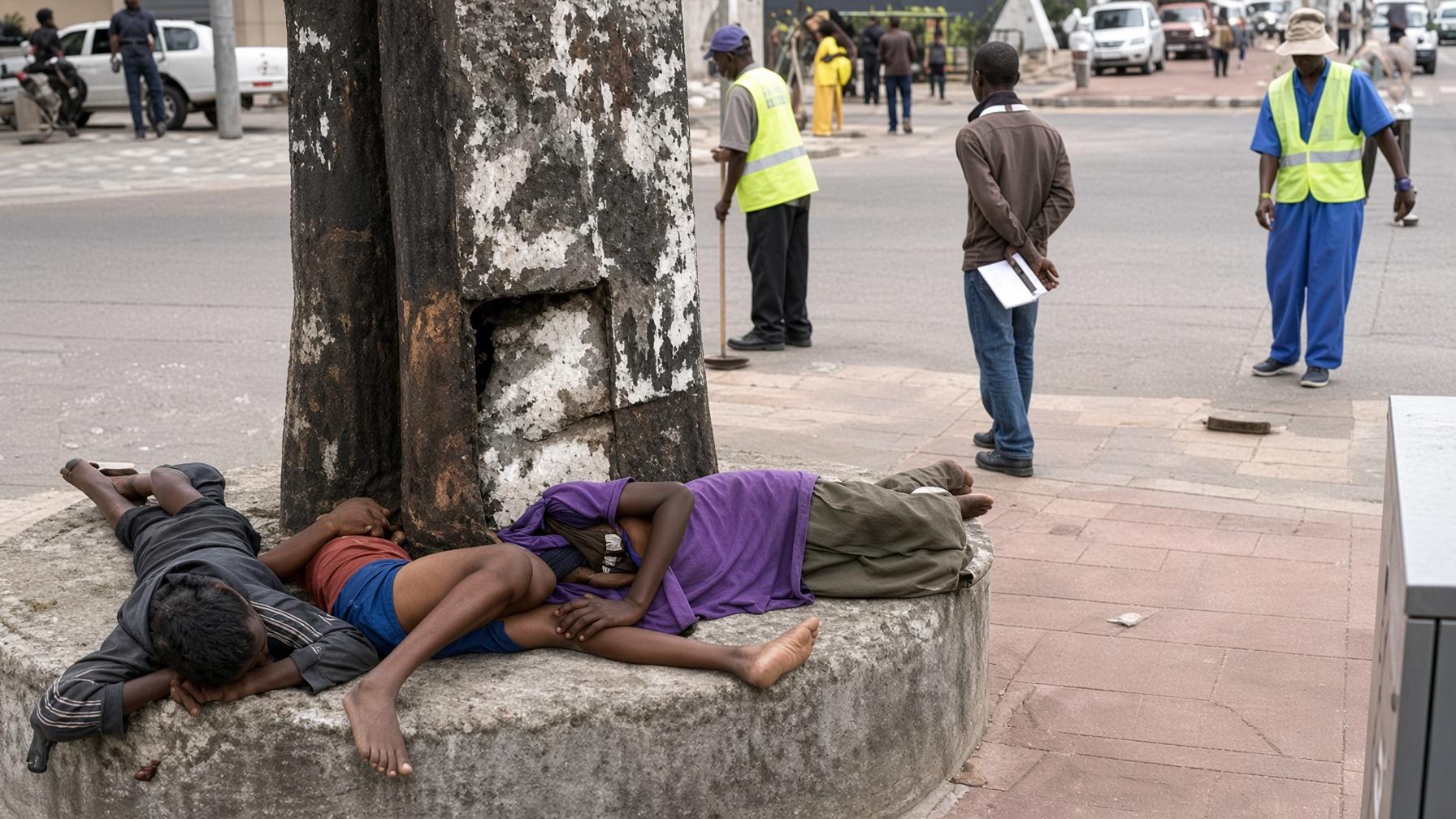
The current wave of violence highlights a troubling paradox. While juntas in Bamako and Ouagadougou have touted military prowess and sovereign resilience, entire regions along the Mali-Burkina Faso frontier continue to suffer under the yoke of jihadist infighting. Civilians, caught in the crossfire, face recurring displacement, economic disruption, and the erosion of any semblance of stability.
The shifting dynamics of jihadist power struggles
The conflict between JNIM and EIS is no longer confined to ideological rivalry. It has evolved into a ruthless competition for territorial dominance, where each faction seeks to outmaneuver the other by exploiting gaps in military presence and administrative reach. The result is a fragmented landscape where no single authority whether state or jihadist exercises full control, leaving communities vulnerable to cycles of violence.
Broken promises and enduring insecurity
Under the leadership of Colonel Assimi Goïta in Mali and Captain Ibrahim Traoré in Burkina Faso, the juntas have repeatedly asserted their commitment to eradicating terrorism. Yet, the continued escalation of clashes between the two jihadist factions exposes the fragility of these claims. Political rhetoric, military posturing, and sovereignty narratives have proven insufficient in delivering the security that citizens demand.
The situation demands a sober reassessment. When armed groups can engage in open warfare over territory without facing effective state intervention, the credibility of the juntas’ security narratives is fundamentally undermined. This reality forces a critical examination of the strategies employed and their alignment with the complex realities of the Sahel’s security environment.
The multifaceted challenge of countering jihadism
The fight against jihadist groups cannot be reduced to military operations alone. Success requires a holistic approach encompassing intelligence gathering, sustained administrative presence, civilian protection, and tailored cooperation mechanisms. The border regions, with their porous borders and intricate social fabrics, demand innovative solutions that transcend conventional warfare tactics.
The inability of the juntas to curb the influence of these factions raises broader concerns about governance and stability in the Sahel. As long as local populations remain trapped in the crossfire, the juntas’ legitimacy rooted in promises of security and order will continue to erode.
What lies ahead for the Sahel’s embattled borderlands
For civilians, the immediate future remains bleak. Displacement, economic hardship, and the constant threat of violence persist, while the promise of peace remains elusive. For the juntas, the challenge is now existential: transforming political declarations into tangible security gains on the ground. The coming months will be decisive in determining whether the juntas can pivot from a narrative of control to one of effective governance.
The clashes between JNIM and EIS are more than a tactical setback they represent a turning point that will shape the trajectory of the Sahel’s security landscape for years to come. The question is no longer whether the juntas can reclaim territory, but whether they can reclaim the trust and stability of the populations they were elected to serve.
By Boureima Amadou — Journalist


 Mariama Hamani