
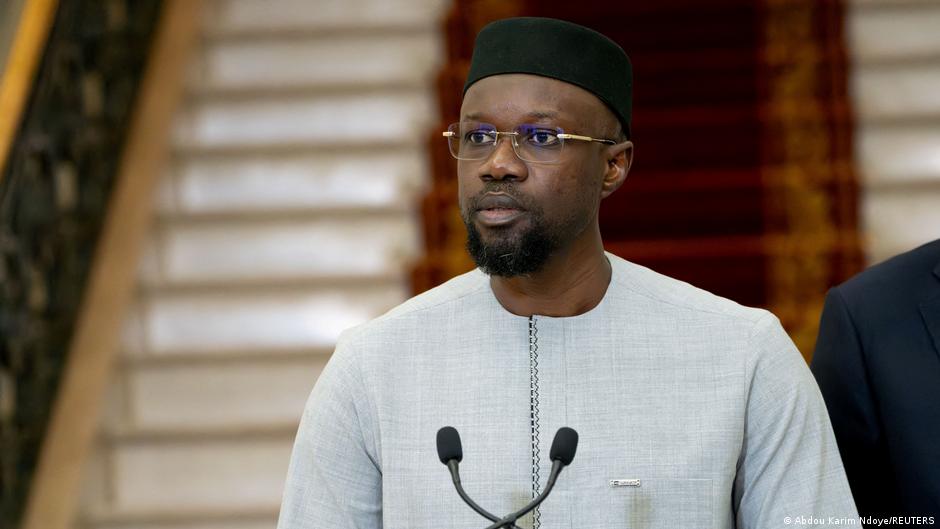
Senegal’s constitutional council blocks Pastef reforms, weakens Sonko
The Senegalese Constitutional Council has struck down the institutional reforms proposed by the ruling Pastef party, ruling that the amendments violated constitutional provisions. The reforms, championed by Ousmane Sonko’s supporters, aimed to rebalance institutional powers but faced immediate legal challenges.
This decision halts a sweeping overhaul backed by a parliamentary majority in the National Assembly. Two critical flaws were identified: the absence of a funding mechanism for the new Constitutional Court proposed under the reforms, and procedural violations during the review of government amendments.
Adji Diarra Mergane Kanouté, former MP and leader of the USD/A party, argued that while the ruling ends immediate prospects for a referendum, it does not foreclose future legislative revisions—provided they comply with constitutional financial and procedural requirements. She emphasized that any reform creating public expenditure, such as elections or a new court, must include compensatory revenue streams, as mandated by Article 82 of the Constitution.
She also highlighted that the Assembly’s refusal to apply the government’s request for a vote bloqué violated procedural norms, reinforcing the Council’s decision.
Key reforms in limbo
Among the blocked provisions was the expansion of parliamentary investigative powers, which would have granted lawmakers greater access to contracts on natural resource exploitation and strengthened oversight in previously restricted areas.
Political reactions were swift. Ousmane Sonko acknowledged the ruling on social media, while presidential allies defended the robustness of Senegal’s institutions and called for continued dialogue on reform. Dr. Binette Ndiaye, coordinator of the Citizen Forum, praised the Council’s decision as a safeguard for democratic inclusivity.
Dr. Ndiaye stated, “As a civil society member, I believe this decision deserves praise. The process lacked inclusivity from the outset—it was driven by a single political party without prior dialogue or consensus. The Council has rightly reminded us that even with a parliamentary majority, governance must respect diverse perspectives.”
A nation at a political crossroads
The Council’s decision arrives amid escalating tensions between Senegal’s two most influential political figures: Ousmane Sonko and President Bassirou Diomaye Faye. Sonko, removed from the premiership in May, was subsequently elected Speaker of the National Assembly. Yet, public statements from both leaders increasingly reveal divergent visions for the country’s future.
Just days ago, Sonko referred to the current arrangement as a state of “cohabitation,” a term traditionally used to describe divided executive-legislative power dynamics. Analysts warn that this constitutional setback could deepen the rift at the heart of Senegal’s government and reshape the nation’s political trajectory for years to come.
More Stories
Thierno Bocoum demands full disclosure on Senegal’s new IMF deal
Ousmane sonko demands transparency on Senegal’s new imf agreement
Senegal’s political crossroads: the institutional friction between Ousmane Sonko and Bassirou Diomaye Faye